
Commercial MLS & Property Search Platforms Explained
Published · Updated · 8 min read
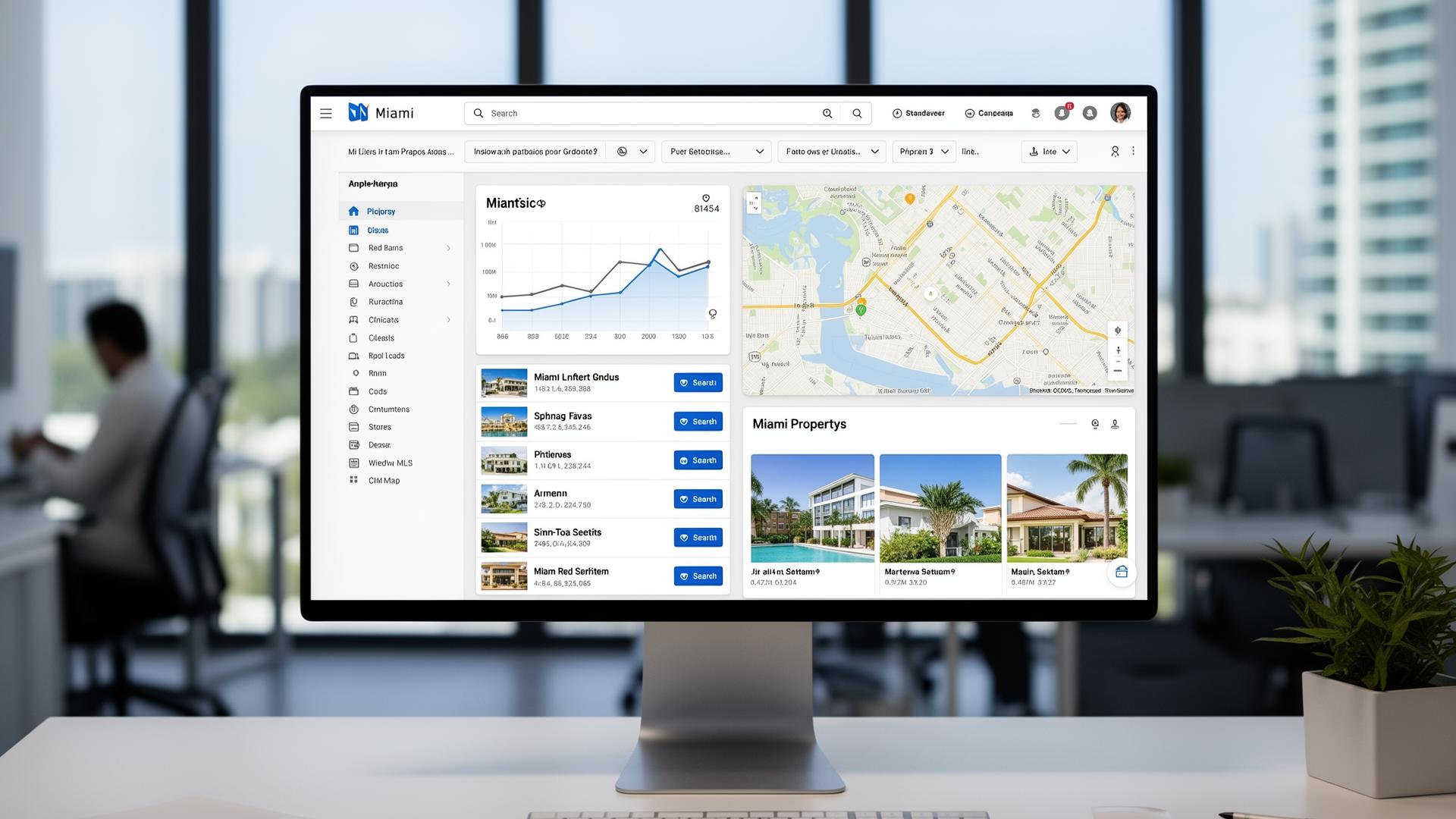
Commercial MLS platforms and property search tools are essential infrastructure for buying, selling, and leasing commercial real estate. Unlike residential MLS systems, commercial platforms operate through multiple competing services—CoStar, LoopNet, Crexi, and regional systems—each offering different levels of data, accessibility, and functionality. Understanding these platforms helps investors and tenants navigate Miami's commercial property market efficiently.
What Is a Commercial MLS?
Definition: A Commercial Multiple Listing Service (MLS) is a database platform where licensed brokers share information about commercial properties available for sale or lease. Unlike residential MLS systems, which are typically unified regionally, commercial MLS operates through multiple competing platforms with varying levels of data and accessibility.
Commercial MLS platforms serve several critical functions:
- Aggregating property listings from multiple brokerages into searchable databases
- Providing market data including comparable sales, lease comparables, and vacancy rates
- Facilitating cooperation between listing and buyer/tenant brokers
- Offering analytics tools for market research and investment analysis
For brokers and investors in Miami, understanding which platforms provide the most comprehensive coverage is essential for making informed decisions. Our agents and brokers team maintains active subscriptions across all major platforms.
Major Commercial Property Search Platforms
The commercial real estate industry relies on several primary platforms, each with distinct strengths:
CoStar Group
The dominant commercial real estate data provider, CoStar maintains the most comprehensive database of commercial properties in the United States. CoStar provides verified property data, tenant information, sale and lease comparables, and market analytics. Subscription costs range from $5,000 to $30,000+ annually, making it primarily a broker and institutional investor tool.
LoopNet (owned by CoStar)
LoopNet is the consumer-facing platform for commercial property listings, offering free basic search functionality. Properties listed on LoopNet reach a broad audience but may not include all available inventory. Premium listings receive enhanced visibility and marketing features.
Crexi
A newer platform gaining rapid market share by offering more accessible pricing and modern user interface. Crexi provides listing syndication, deal management tools, and market analytics at lower price points than CoStar.
Local and Regional MLS Systems
Miami-Dade County's local MLS (operated through the MIAMI Association of Realtors) includes commercial property listings alongside residential inventory. While coverage may be less comprehensive than national platforms, local MLS often captures smaller properties and owner-listed deals not found elsewhere.
How Brokers Use Commercial MLS for Clients
Professional commercial real estate brokers leverage MLS platforms in ways that individual users cannot replicate:
- Comprehensive search: Cross-referencing multiple platforms to identify all available properties matching client criteria
- Comparable analysis: Pulling verified sale and lease comparables to support pricing recommendations and negotiations
- Market reports: Generating submarket-level analytics including vacancy rates, absorption trends, and construction pipeline data
- Off-market intelligence: Using platform data to identify properties likely to come to market based on ownership patterns, lease expirations, and financial stress indicators
- Listing syndication: Distributing client properties across multiple platforms simultaneously for maximum exposure
This multi-platform approach ensures that clients receive comprehensive market coverage. For sellers, it maximizes property exposure; for buyers, it expands the opportunity set. Explore how professional listing services compare to self-marketing in our guide on realtor listings vs. direct listings.
Searching for Commercial Property in Miami: A Step-by-Step Guide
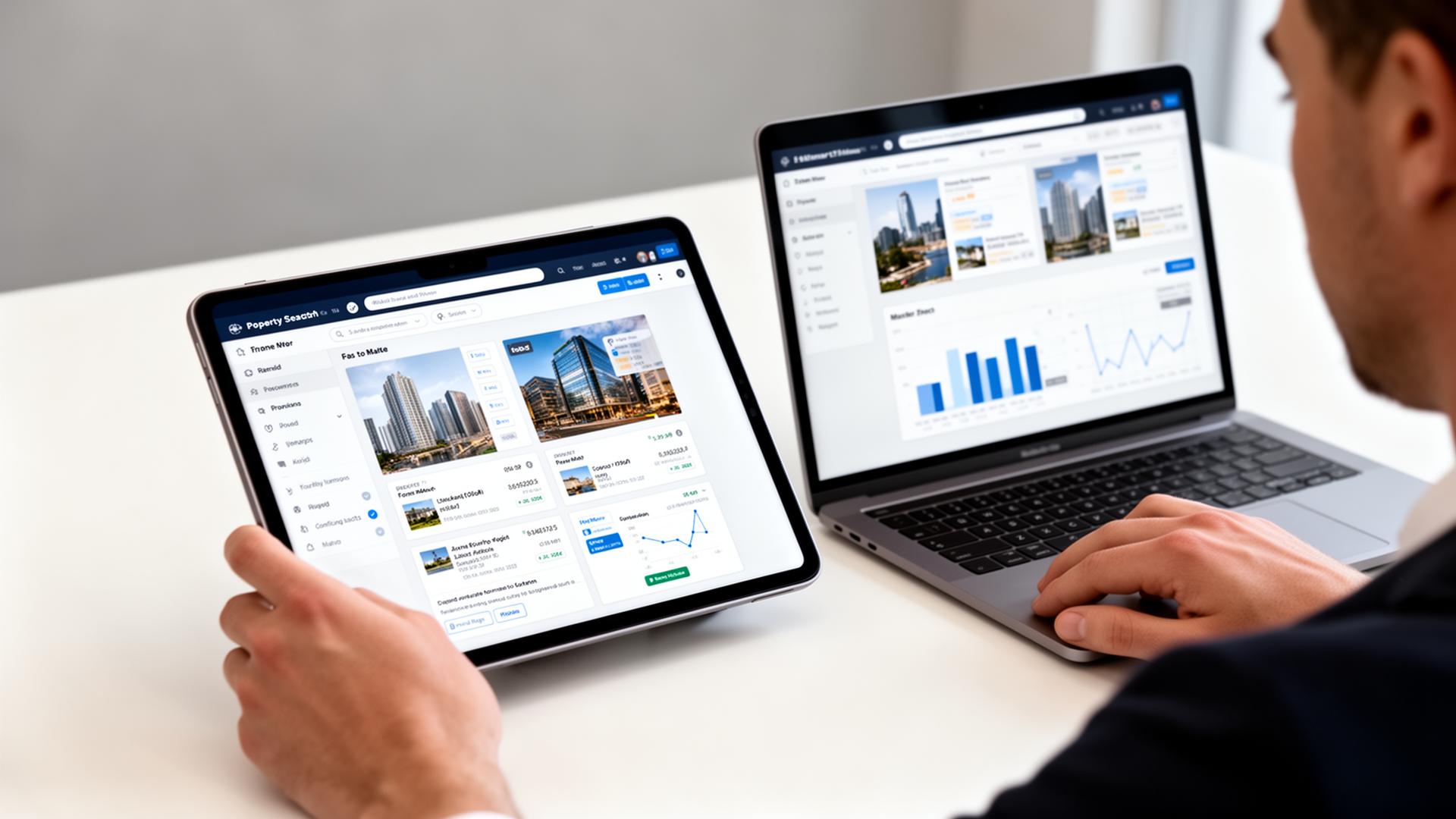
Whether you are searching for properties for sale or spaces for lease, follow this structured approach:
- Define search criteria: Property type, size range, location preferences, budget parameters
- Select appropriate platforms: LoopNet and Crexi for broad searches; engage a broker for CoStar access
- Set alerts: Configure automated notifications for new listings matching your criteria
- Analyze listings: Review property details, financial summaries, and location characteristics
- Request additional information: Contact listing brokers for offering memoranda, rent rolls, and operating statements
- Tour properties: Schedule in-person tours for shortlisted properties
- Engage representation: Hire a buyer's or tenant's broker for negotiation and due diligence support
In competitive markets like Brickell and Wynwood, the best opportunities often sell before reaching public platforms, making broker relationships essential for early access.
Data Accuracy and Verification Challenges
Commercial property data is notoriously fragmented and inconsistent across platforms. Common challenges include:
- Stale listings: Properties that have sold or leased but remain active on platforms
- Incomplete data: Missing financial information, outdated tenant rosters, or inaccurate square footage
- Conflicting information: Different platforms showing different asking prices or property specifications
- Limited historical data: Insufficient comparable transaction history in emerging submarkets
Professional brokers mitigate these challenges through direct verification, personal market knowledge, and relationships with property owners and managers. This is one reason broker-assisted searches can surface options self-directed platform searches miss.
The Future of Commercial Property Search Technology
Commercial real estate search technology is evolving rapidly, with several trends reshaping how properties are discovered and analyzed:
- AI-powered matching: Machine learning algorithms that match investor criteria with property characteristics and predict deal fit
- Virtual tours and 3D mapping: Immersive property experiences reducing the need for physical site visits
- Real-time market data: Dynamic pricing and availability updates replacing static listing information
- Predictive analytics: Tools forecasting property values, tenant demand, and market shifts
- Blockchain transactions: Emerging platforms exploring tokenized commercial real estate ownership
Despite technological advances, human expertise remains essential for interpreting data, building relationships, and executing complex negotiations. The most effective approach combines technology with experienced brokerage representation. The MIAMI Association of Realtors maintains the local MLS system, while the Florida DBPR oversees licensing for all commercial real estate professionals using these platforms.
For expert guidance navigating Miami's commercial property market, contact Supreme Capital Commercial Real Estate Miami today.
Related Resources
Frequently Asked Questions
What is a commercial MLS?
A Commercial Multiple Listing Service is a database platform where licensed brokers share information about commercial properties available for sale or lease. Unlike unified residential MLS systems, commercial platforms operate through multiple competing services—CoStar, LoopNet, Crexi, and regional systems—each with different data coverage, pricing, and functionality.
No single commercial MLS captures all available properties, which is why comprehensive market searches require access to multiple platforms. Professional brokers maintain subscriptions across all major services and supplement platform data with direct market intelligence from personal networks and relationships.
Is LoopNet the same as commercial MLS?
LoopNet is one commercial listing platform owned by CoStar Group, but it is not the only commercial MLS. It functions as the consumer-facing marketplace with free basic search, while CoStar provides the more comprehensive, subscription-based professional database. Comprehensive property searches should include CoStar, LoopNet, Crexi, and local MLS systems.
LoopNet captures a significant portion of available listings but may not include all inventory—particularly off-market properties, smaller assets, and deals being marketed through proprietary broker networks. Relying solely on LoopNet will miss a meaningful percentage of available opportunities in any given market.
Can I search commercial MLS without a broker?
You can access basic listings on LoopNet and Crexi for free, providing a good starting point for market research. However, comprehensive CoStar data—including verified comparables, tenant information, and market analytics—requires paid subscriptions typically held by licensed brokers and institutional investors.
Full-access searches require broker assistance because the most valuable data (comparable transactions, tenant information, ownership details) is behind paid subscriptions whose pricing varies — request a provider quote. Additionally, off-market opportunities and pre-market intelligence are only accessible through broker relationships, not through any platform.
How much does CoStar cost?
CoStar subscriptions range from approximately $5,000 to $30,000+ annually depending on market coverage, feature level, and number of user seats. The basic package provides property information and listings, while premium tiers add sale and lease comparables, market analytics, and predictive tools.
Most individual investors access CoStar data through their broker relationships rather than maintaining direct subscriptions. Working with a broker who has CoStar access effectively provides you with this data at no additional cost, while also receiving professional interpretation and context that raw data alone cannot provide.
What is the best platform for finding commercial property in Miami?
No single platform covers all available properties in Miami's commercial market. The best approach combines LoopNet and Crexi for broad initial searches, local MLS for smaller and owner-listed properties, and CoStar access through a broker for comprehensive data including off-market intelligence and verified comparables.
In practice, the most effective property search strategy combines platform-based searching with direct broker relationships. Many of the best opportunities in Miami—particularly in competitive submarkets like Brickell and Doral—never reach public platforms, making broker network access essential for accessing the full opportunity set.
Do off-market properties appear on commercial MLS?
No. By definition, off-market properties are not listed on any public platform or MLS system. Access to off-market deals requires direct broker relationships, investor network membership, property owner outreach, and active participation in the local commercial real estate community.
Off-market transactions are not comprehensively reported, so their share of the market cannot be reliably measured. This represents a significant portion of the opportunity set that is invisible to investors relying solely on platform-based searching—another key benefit of engaging professional brokerage representation.