
Commercial Real Estate in Miami Beach & North Miami
Published · Updated · 8 min read
Miami Beach and North Miami represent distinct but complementary commercial real estate submarkets within Miami-Dade County. Miami Beach offers premium retail, hospitality, and office opportunities driven by tourism and luxury residential demand, while North Miami provides value-oriented commercial space with strong growth potential from emerging development and demographic shifts. This analysis covers market conditions, investment opportunities, and growth prospects for both areas.
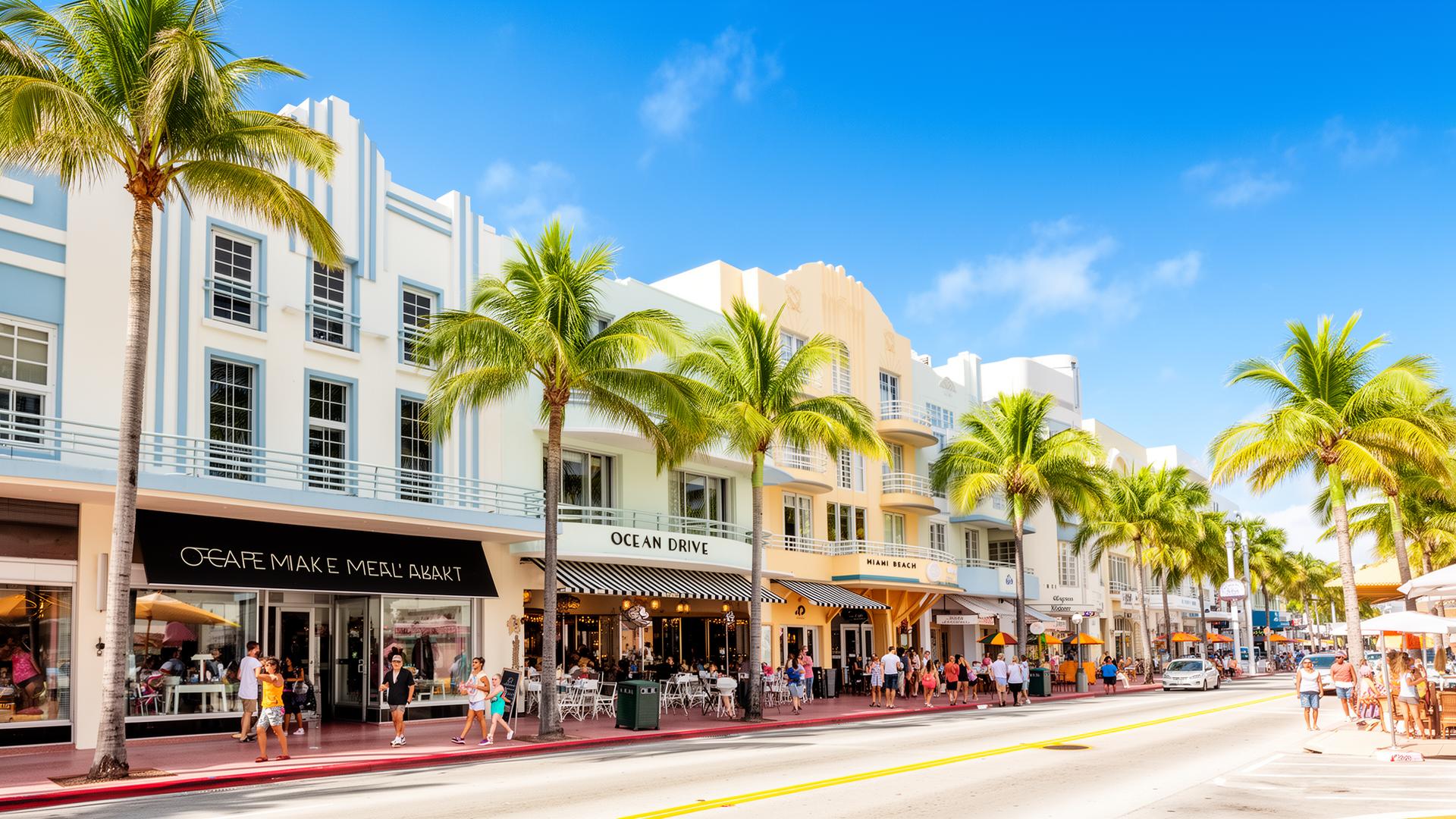
Miami Beach Commercial Real Estate Overview
Miami Beach is a globally recognized destination that generates significant commercial real estate demand across retail, hospitality, office, and mixed-use sectors. The barrier island's limited developable land creates a natural supply constraint that supports premium valuations.
Key market characteristics:
- Retail: Rents on Lincoln Road, Collins Avenue, and Ocean Drive depend on location and lease terms; review comparable leases and rent rolls
- Office: Limited supply of Class A office space; rents depend on building quality and lease terms
- Hospitality: Hotel activity contributes to hospitality-related commercial demand
- Mixed-use: Ground-floor retail with upper-floor office or residential configurations
Miami Beach's commercial market is uniquely influenced by tourism seasonality, Art Basel and convention calendar events, and international buyer interest. For detailed submarket analysis, visit our Miami Beach commercial real estate page.
Retail Opportunities on Miami Beach
Miami Beach has several retail corridors serving different customers and business types:
Lincoln Road
The pedestrian-only shopping street draws both tourists and locals; assess storefront rents using recent comparable leases and property-specific factors. Recent repositioning has shifted the tenant mix toward experiential retail, fine dining, and flagship boutiques.
Collins Avenue
Mid-Beach and North Beach segments of Collins Avenue offer retail opportunities serving both hotel guests and local residents.
Sunset Harbour
This neighborhood on Miami Beach's western shore has dining, fitness, and lifestyle retail.
Ocean Drive
Historic Art Deco storefronts on Ocean Drive cater primarily to tourism-driven food and beverage concepts. Rents depend on factors including frontage, visibility, and outdoor seating capacity; review recent comparable leases.
For retail leasing and investment opportunities, explore our commercial real estate for lease services.
North Miami Commercial Market Analysis
North Miami—encompassing the City of North Miami, North Miami Beach, and adjacent unincorporated areas—is a commercial market with a mix of property types.
Market characteristics:
- Office: Class B/C office space serving small businesses and professional services; review rent rolls and comparable leases
- Retail: Strip centers and standalone retail along major arterials (Biscayne Boulevard, NE 163rd Street); review comparable leases
- Industrial: Light industrial and flex space; compare lease rates and expense terms
- Development: Assess zoning, project approvals, and construction activity
North Miami's position between Downtown Miami and Fort Lauderdale, transit access, and demographic trends are factors to consider when assessing commercial demand. The area's diversity—with significant Haitian, Caribbean, and Latin American communities—creates unique retail and service opportunities.
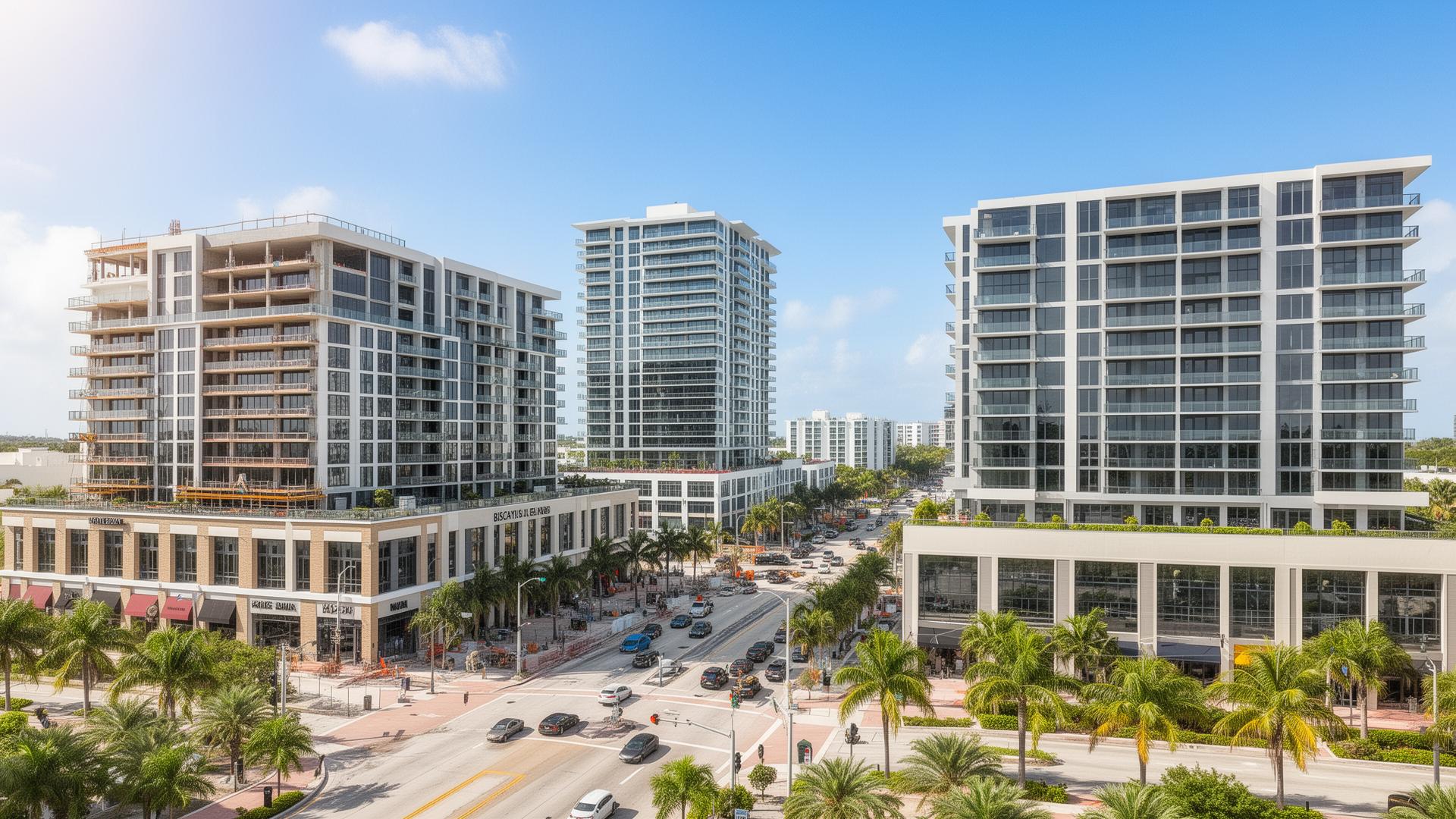
Investment Comparisons: Miami Beach vs North Miami
These two submarkets offer contrasting investment profiles:
Miami Beach investments:
- Cap rates: Compare recent sales, rent rolls, operating expenses, and broker opinions of value
- Risk profile: Consider demand, insurance costs, and property-specific conditions
- Value drivers: Tourism, luxury residential, international brand demand
- Challenges: Limited parking, regulatory constraints, seasonal demand variations
North Miami investments:
- Cap rates: Compare recent sales, rent rolls, operating expenses, and broker opinions of value
- Risk profile: Consider development activity, property conditions, and appreciation potential
- Value drivers: Population growth, development pipeline, improving infrastructure
- Challenges: Older building stock, varying neighborhood quality, limited institutional presence
Sophisticated investors maintain exposure to both submarkets, balancing Miami Beach's stability with North Miami's growth potential. For portfolio strategy guidance, explore our commercial property investment services.
Development Trends and Future Growth
Both submarkets are experiencing significant development activity that will reshape their commercial landscapes:
Miami Beach development trends:
- Convention Center district redevelopment creating new mixed-use opportunities
- North Beach revitalization with new residential towers bringing commercial demand
- Sustainability initiatives including resilience infrastructure and flood mitigation supported by the City of Miami Beach
- Adaptive reuse of historic Art Deco buildings for boutique office and retail, guided by the Miami-Dade Historic Preservation Division
North Miami development trends:
- SoLeMia mixed-use megaproject bringing 4,000+ residential units and commercial space
- Biscayne Boulevard corridor improvements attracting new retail and dining concepts
- FIU campus proximity driving student housing and related commercial demand
- Transit-oriented development around planned transit improvements
These development trends suggest both submarkets will see improved fundamentals over the next 5–10 years, with North Miami positioned for more dramatic transformation.
Market Outlook and Recommendations
Looking ahead, both Miami Beach and North Miami present compelling but different commercial real estate opportunities:
Miami Beach outlook:
- Review recent comparable rents and tenant demand in prime retail corridors
- Watch office supply and demand for quality space
- Monitor tourism trends and hospitality-related commercial demand
- Consider how climate resilience investments may affect long-term property value
North Miami outlook:
- Emerging as a viable alternative for tenants priced out of premium submarkets
- Review the development pipeline and comparable commercial rents
- Monitor demographic trends and demand for retail and service-oriented commercial space
- Assess rent appreciation potential using rent rolls, comparable leases and planned supply
For personalized advisory on commercial opportunities in Miami Beach and North Miami, contact Supreme Capital Commercial Real Estate Miami. Our team provides expert guidance across all Miami-Dade submarkets including these dynamic beachside and northern communities.
Related Resources
Frequently Asked Questions
What are commercial rents on Miami Beach?
Retail rents vary by corridor, storefront location and lease terms. Office rents depend on building quality, location and available space. Review recent comparable leases and quoted rents, along with the island's supply constraints and brand recognition.
Retailers should assess how tourist traffic and local customer demand may affect sales per square foot. Operators should evaluate rent-to-sales ratios rather than absolute rent levels to determine location viability for their specific concept.
Is North Miami a good area for commercial investment?
North Miami may appeal to investors seeking commercial investment opportunities and growth potential. Returns depend on property income, expenses, pricing, and development activity; review rent rolls and recent comparable sales.
North Miami's investment thesis depends on demographic trends, infrastructure improvements, and affordability relative to other submarkets. Investors with a 5–10 year horizon should assess development activity, projected income, expenses, and risks.
What types of businesses thrive on Miami Beach?
Tourism-driven retail, fine dining and celebrity-chef restaurants, luxury fashion boutiques, hospitality-related services, wellness and fitness concepts, and creative/tech office users seeking premium lifestyle locations. The year-round tourism calendar and international visitor profile support diverse retail and service concepts.
Successful Miami Beach businesses typically serve both tourists and residents, creating diversified revenue streams that reduce seasonality risk. Experiential concepts—unique dining experiences, immersive retail, and wellness destinations—outperform commodity retail because they offer experiences that cannot be replicated online.
How does Miami Beach commercial compare to Brickell?
Retail rents vary by location, property and tenant; Miami Beach has less office inventory and a smaller commercial market overall. Brickell is the primary financial district with a denser, more diverse office market. The markets serve different demand profiles—tourism vs. corporate.
Investment characteristics also differ: insurance costs depend on each property's flood exposure and coverage, while Brickell benefits from denser development patterns and transit connectivity. The optimal choice depends on whether your strategy targets tourism-driven retail returns or corporate-driven office and mixed-use fundamentals.
What development is happening in North Miami?
Major projects include the SoLeMia mixed-use megaproject (4,000+ residential units plus commercial space), Biscayne Boulevard corridor improvements attracting new retail and dining, FIU campus proximity driving student housing and related commercial demand, and transit-oriented development around planned transit improvements.
These development projects collectively represent billions of dollars in investment that will fundamentally transform North Miami's commercial landscape over the next 5–10 years. Early investors who acquire well-positioned assets before these catalysts fully materialize stand to benefit from significant appreciation as the submarket matures.
Are Miami Beach commercial properties a good hedge against inflation?
Miami Beach commercial properties may offer some inflation protection, depending on lease terms, operating costs, demand, and purchase price. Review rent rolls and recent comparable leases to assess potential rent growth.
Limited developable land may constrain supply, but it does not guarantee property values. Tourism, location demand, insurance costs, and property-specific risks can also affect investment performance.