
Miami Commercial Real Estate Market Trends & Forecast
Published · Updated · 8 min read
Miami's commercial real estate market is shaped by population growth, corporate relocations, and international capital inflows. Office vacancy rates remain below the national average, industrial demand exceeds supply, and multifamily fundamentals support sustained rent growth. This analysis provides a data-driven overview of current market conditions and near-term forecasts for Miami's commercial property sectors.
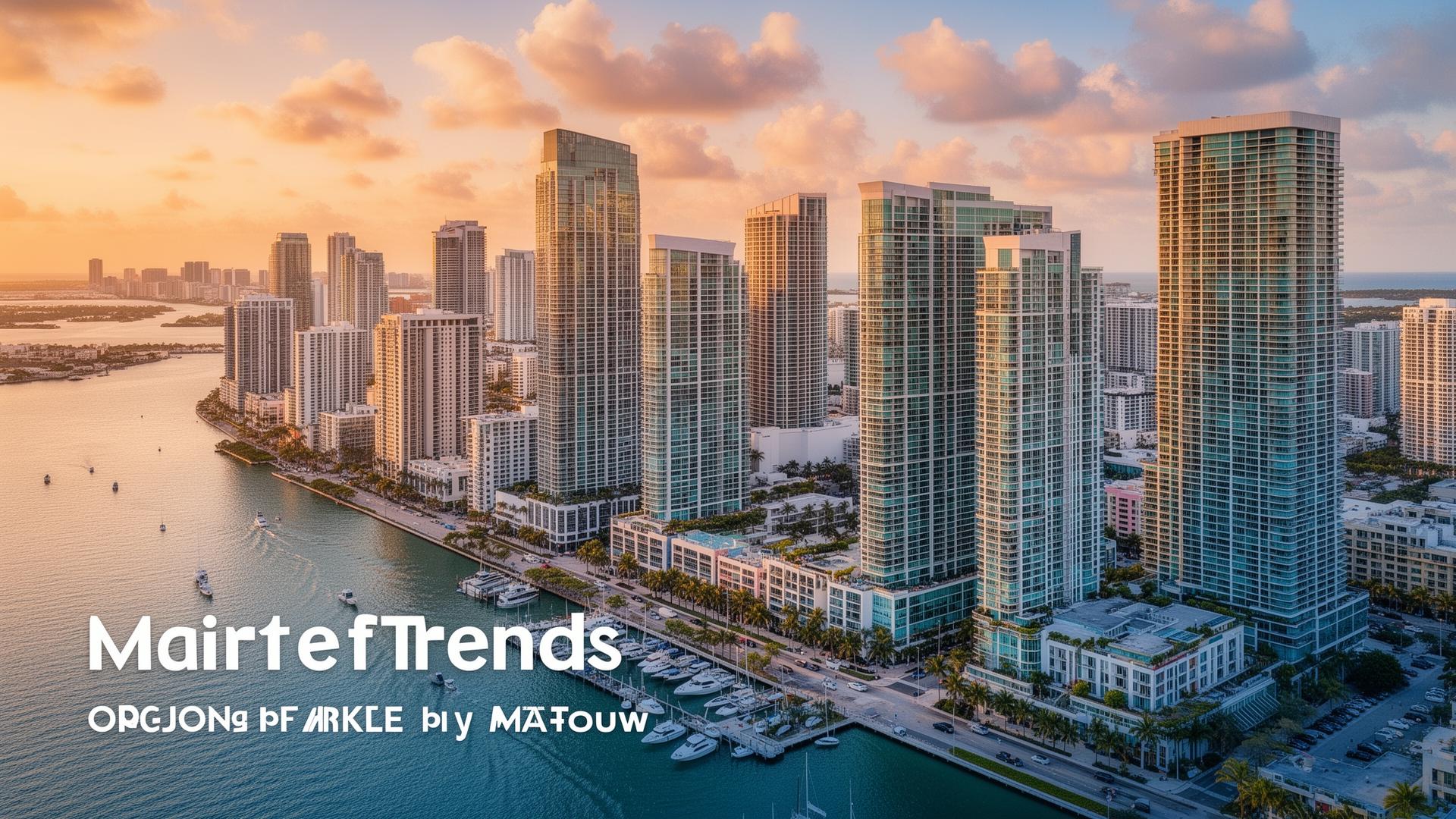
Miami Commercial Real Estate Market Overview
Miami-Dade County's commercial real estate market is influenced by factors that differentiate it from other major metropolitan areas. Domestic migration, international investment, tax policy, and infrastructure development can affect commercial property demand, though conditions vary by sector.
Key market indicators:
- Population trends: review current Census data and local demographic changes
- Employment growth concentrated in finance, technology, healthcare, and logistics
- Florida's tax environment is one consideration for individuals and businesses; consult a qualified tax adviser
- International gateway status driving capital flows from Latin America, Europe, and Canada
- Major infrastructure investments including Brightline high-speed rail and PortMiami expansion
These fundamentals create a favorable environment for commercial real estate in Miami, supporting both current performance and long-term appreciation potential.
Office Market Trends in Miami
Corporate relocations and expansions by financial firms, technology companies, and hedge funds have influenced Miami's office market.
Office market metrics to evaluate:
- Class A vacancy: Review current vacancy data by submarket and building class.
- Asking rent: Compare current listings and lease terms in Brickell, Coral Gables, and Doral.
- Net absorption: Review recent leasing activity and changes in occupied space.
- New construction: Track projects underway and planned deliveries that could affect supply.
The Brickell financial district has office rents that vary by building and lease terms, while Coral Gables attracts tenants seeking a more suburban professional environment. Downtown Miami is experiencing revitalization through mixed-use development and transit-oriented projects.
What to watch: Office demand and rents will depend on tenant preferences, corporate relocations, construction, and leasing activity.
Industrial and Logistics Market Performance
Miami's industrial sector is influenced by e-commerce logistics, international trade, and nearshoring trends.
Industrial market highlights:
- Vacancy: Review current availability and recent leasing activity in relevant logistics corridors
- Asking rents: Compare current listings and recent leases by property type, location, and lease terms
- Net absorption: Compare occupied space with new supply deliveries
- Construction pipeline: Review planned and ongoing projects, including those in Doral and airport-adjacent areas
The Blue Lagoon/MIA corridor and Doral submarket benefit from proximity to Miami International Airport, PortMiami, and major highway infrastructure.
Key demand drivers:
- E-commerce last-mile delivery requirements
- Nearshoring of manufacturing and distribution from Asia to Latin America
- Cold storage demand from food distribution and pharmaceutical logistics
- Data center development driven by AI and cloud computing growth
What to watch: Industrial rents and vacancy will depend on demand, construction deliveries, and leasing activity.
Retail Market Dynamics in Miami
Miami's retail demand is influenced by tourism, population growth, and consumer spending. Factors to consider include:
- Tourism spending: Visitor activity supports retail corridors
- Population density: Urban neighborhoods generate strong foot traffic for experiential retail
- International shopping: Latin American consumers drive luxury retail demand in design districts
- Restaurant and food service: Miami's dining culture supports food-service retail at premium rents
Retail market metrics:
- Vacancy: Review current availability in the relevant corridor
- Asking rents: Compare current listings and leases in the relevant submarket
- NNN single-tenant retail: Review comparable sales, tenant credit, lease terms, and location when evaluating cap rates
Wynwood has emerged as a premier retail destination, commanding premium rents for experiential retail, restaurants, and gallery spaces. Miami Beach retail benefits from both tourist and resident demand.
What to watch: Tourism, population trends, retail supply, and consumer spending can affect rents and demand.
Multifamily Market Analysis
Miami's multifamily sector is influenced by population trends, affordable housing supply, and rental demand.
Market performance indicators:
- Occupancy: Review current occupancy and rent rolls across comparable properties
- Rent growth: Compare recent lease rates in relevant submarkets
- Cap rates: Review recent comparable sales and obtain a broker opinion of value
- Construction pipeline: Review planned and completed supply by submarket
A key challenge for the multifamily sector is property insurance costs in South Florida. Rising property insurance premiums impact operating expenses and can compress returns, particularly for older properties in flood-prone areas.
Demand and land availability can influence property values, but appreciation is not assured. For detailed analysis of multifamily investing, see our guide on multifamily investment opportunities in Miami-Dade.
What to watch: Changes in rental demand, new supply, and operating costs may affect rents across submarkets.
Capital Markets and Investment Trends
Interest rates and several other factors can shape investment activity in Miami's commercial real estate capital markets:
- Domestic migration capital: How investor relocation influences demand for Miami commercial properties
- International investment: How international buyers assess Miami commercial property opportunities
- 1031 exchange activity: How exchange transactions affect demand for Miami properties; consult a qualified tax adviser and review IRS like-kind exchange guidance.
- Institutional presence: How REITs, pension funds, and private equity firms allocate capital
- Development financing: How lender requirements, developer capitalization, and pre-leasing affect construction financing
The interest rate environment continues to influence deal volume and pricing. To assess opportunities, review recent comparable sales, rent rolls, lender quotes, and a broker opinion of value. For investment strategy guidance, explore our commercial property investment services.
Miami Market Factors to Watch: 2026–2028
Factors to watch in Miami's commercial real estate market include the following. These are not forecasts or guarantees:
Positive catalysts:
- Corporate relocations from high-tax states
- Infrastructure improvements (Brightline expansion, highway projects)
- Technology sector activity and venture capital ecosystem development
- Nearshoring trends benefiting industrial and logistics sectors
- Demographic trends, including changes in age and income
Potential headwinds:
- Rising insurance costs impacting operating margins
- Climate risk concerns affecting coastal property values
- Construction cost inflation limiting new development feasibility
- Potential oversupply in luxury multifamily and condo segments
These factors can affect commercial property sectors differently; evaluate local conditions and property-specific data. For personalized market analysis, contact Supreme Capital Commercial Real Estate Miami.
Related Resources
Frequently Asked Questions
Is Miami a good market for commercial real estate investment?
Miami may offer commercial real estate investment opportunities, but performance varies by property, location, and market conditions. Investors should assess population trends, business activity, and international capital flows alongside property-specific data.
Miami's connections to Latin America, business climate, and lifestyle appeal are factors to consider when assessing demand. Review rent rolls, recent comparable sales, county property appraiser records, and lender quotes to evaluate income and appreciation potential.
What are average cap rates for commercial property in Miami?
Cap rates vary by asset class, property quality, location, lease terms and perceived risk. Review recent comparable sales, rent rolls and a broker opinion of value to assess a property's cap rate.
Interest rates, financing terms, demand and supply can affect cap rates and buying opportunities. Compare current sales data and property-specific risks rather than relying on broad market assumptions.
What is driving industrial demand in Miami?
E-commerce last-mile logistics, nearshoring of supply chains from Asia to Latin America, cold storage requirements for food distribution and pharmaceuticals, data center development driven by AI and cloud computing, and proximity to Miami International Airport and PortMiami are key drivers of industrial demand.
These demand drivers may support industrial demand, though their impact can change with economic and market conditions. The convergence of multiple demand sources—domestic e-commerce, international trade, and technology infrastructure—creates diversified demand that reduces the risk of any single driver softening dramatically.
How is the Miami office market performing?
To assess Miami's office market, review recent vacancy, absorption, rent and corporate relocation data across submarkets.
Compare rents and vacancy in Brickell with other submarkets, while Coral Gables attracts professional services and international firms. Downtown Miami is experiencing revitalization through mixed-use development and Brightline connectivity. New construction, tenant demand and available space can influence future rents for Class A space.
What are the biggest risks for Miami commercial real estate?
Key risks include rising insurance costs affecting operating margins, climate-related concerns for coastal properties, potential oversupply in luxury multifamily and condo segments, and interest rate sensitivity affecting property valuations and buyer purchasing power.
These risks are manageable through proper underwriting, portfolio diversification, and strategic asset selection. Properties with adequate insurance reserves, inland locations less exposed to flood risk, and diversified tenant bases are better positioned to weather these headwinds while benefiting from Miami's structural growth advantages.
Where are the best neighborhoods for commercial investment in Miami?
Top submarkets include Brickell for office and multifamily (highest rents, institutional demand), Doral for industrial and logistics (tightest vacancy, strongest rent growth), Wynwood for retail and creative office (premium experiential demand), Coral Gables for professional office and upscale retail, and Downtown Miami for value-oriented mixed-use development with transformation potential.
The optimal submarket depends on your investment strategy, risk tolerance, and return objectives. Each submarket offers distinct risk/return profiles—Brickell provides core stability at tighter cap rates, while emerging markets like Downtown Miami and North Miami offer higher yields with greater appreciation potential over a 5–10 year investment horizon.