
NNN Investment Properties in Florida
Published · Updated · 8 min read
NNN (triple net) properties for sale in Florida can reduce day-to-day landlord responsibilities when the lease assigns taxes, insurance, and maintenance to the tenant; owner obligations, capital expenditures, vacancy and default risk remain and depend on the specific lease. Florida's growing economy, favorable tax environment, and strong consumer spending make it one of the nation's top markets for NNN investment. This guide covers tenant evaluation, cap rate analysis, and acquisition strategies for NNN investors.
What Is a NNN (Triple Net) Lease?
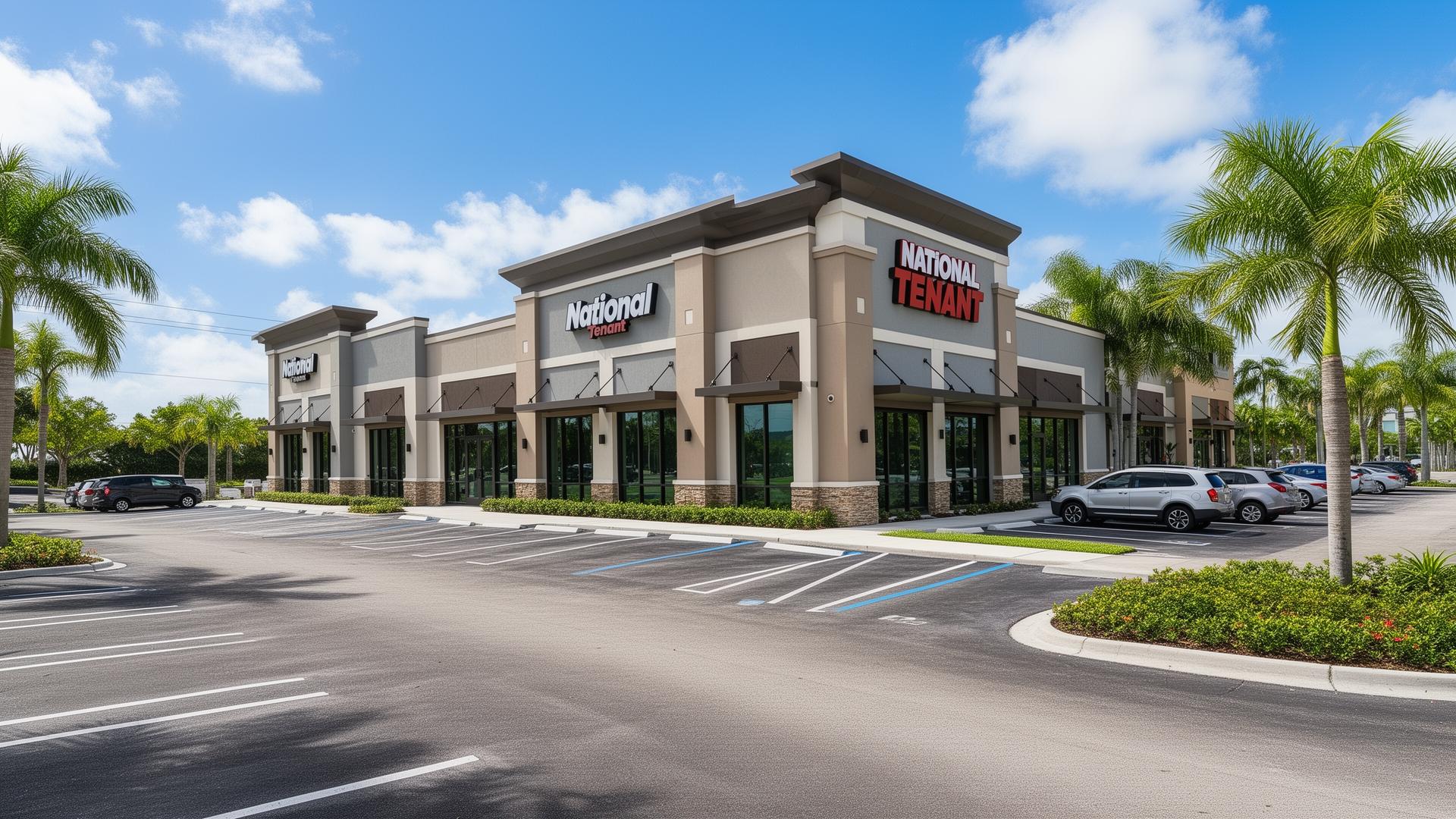
Definition: A triple net (NNN) lease is a commercial lease structure where the tenant is generally responsible for paying the property operating expenses the lease assigns—typically real estate taxes, property insurance, and common area maintenance (CAM)—in addition to base rent. This creates a "net" income stream for the landlord with minimal management obligations.
Key characteristics of NNN leases:
- Tenant pays taxes, insurance, and maintenance
- Net income depends on tenant performance and the lease; owners may retain structural, capital, vacancy and default risk
- Lease terms typically range from 10–25 years
- Annual rent escalations may be fixed or CPI-based
- Landlord management needs vary with the lease's owner obligations
- Often backed by investment-grade corporate guarantees
NNN investments can be lower-management forms of commercial property investment, making them popular with 1031 exchange buyers, retirees, and investors seeking lease-based income. For exchange requirements, see the IRS like-kind exchange guidance and consult a qualified tax adviser.
Why Florida Is a Top Market for NNN Investment
Florida offers several factors for NNN property investors to consider:
- Population growth: Population trends can affect consumer demand
- No state income tax: Florida has no individual state income tax; tax outcomes depend on individual circumstances
- Tourism economy: Year-round tourist traffic supports retail and restaurant tenants
- Diverse economy: Healthcare, logistics, technology, and financial services drive employment
- 1031 exchanges: Eligible investors may consider a like-kind exchange; consult a qualified tax adviser and review the IRS like-kind exchange guidance
South Florida, and particularly the Miami-Dade County market, offers NNN investors access to credit tenants in densely populated trade areas with strong demographics and consumer spending profiles.
Cap Rates for NNN Properties in Florida
NNN cap rates in Florida vary primarily by tenant credit quality, remaining lease term, and location. Understanding these dynamics is essential for commercial property valuation.
NNN cap rate considerations (Florida):
- Investment-grade tenants (10+ years): Review tenant credit and lease terms.
- National credit tenants (5–10 years): Compare recent sales of similar properties.
- Regional/local tenants (5+ years): Assess tenant finances and renewal prospects.
- Short-term remaining (under 5 years): Evaluate rollover risk and leasing costs.
Compare recent comparable sales and request a broker opinion of value. Shorter lease terms or regional tenants may offer higher yields, but also carry different risks.
Top NNN Tenant Categories in Florida
Selecting the right tenant is the most critical decision in NNN investing. The strongest NNN tenants combine corporate credit strength with industry resilience.
Tier 1 — Investment Grade (S&P BBB- or higher):
- Dollar General, Dollar Tree, Family Dollar
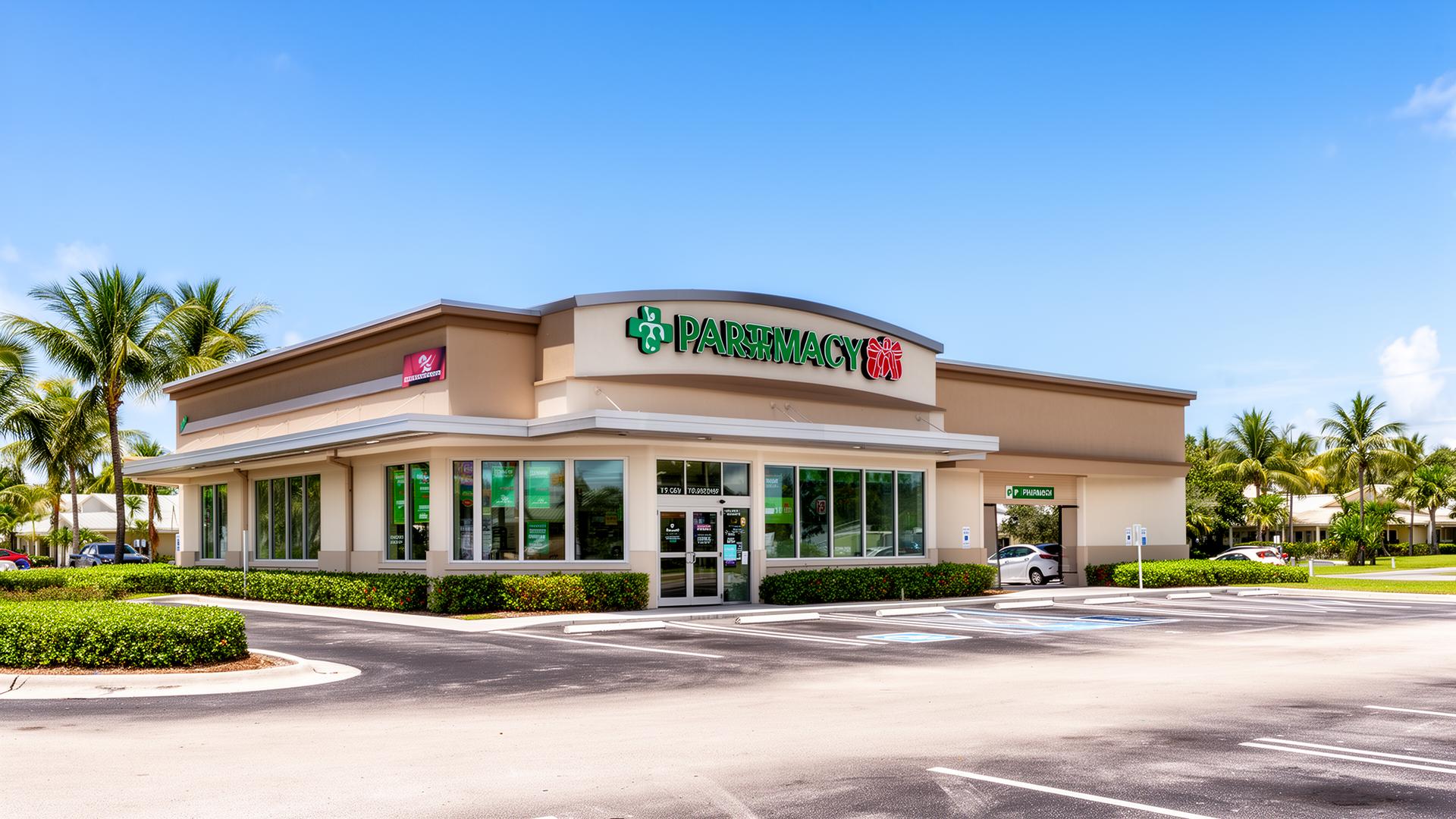
- Walgreens, CVS Pharmacy
- Starbucks, Chick-fil-A, McDonald's
- O'Reilly Auto Parts, AutoZone
- 7-Eleven, Wawa
Tier 2 — National Credit (Non-rated but strong):
- Popeyes, Taco Bell, Wendy's (franchisee-dependent)
- Great Clips, Supercuts
- Advance Auto Parts
Tier 3 — Regional/Medical/Service:
- Dental offices, urgent care centers
- Regional restaurant chains
- Childcare facilities (KinderCare, Goddard School)
Tenant analysis should extend beyond credit ratings to evaluate industry trends, e-commerce resilience, and unit-level economics. Investors can verify tenant corporate status and franchise registrations through the Florida Division of Corporations (Sunbiz) and assess local economic conditions via the Miami-Dade County Department of Economic Resources.
1031 Exchange Strategies with NNN Properties
Definition: A 1031 exchange may allow investors to defer eligible taxes by reinvesting sale proceeds into a "like-kind" property within specific timelines—45 days to identify replacements and 180 days to close. Consult a qualified tax adviser and review the IRS like-kind exchange guidance.
NNN properties may appeal as 1031 exchange replacements for several reasons:
- Passive management suits investors seeking simplified ownership
- Predictable income replaces active management cash flow
- Clean, single-tenant structures simplify acquisition due diligence
- Available inventory affects timely identification within the 45-day window
- Florida tax considerations depend on the investor's circumstances
Investors completing 1031 exchanges into Florida NNN properties should work with experienced commercial real estate brokers who can source suitable properties within exchange timelines.
Due Diligence for NNN Property Acquisitions
NNN due diligence focuses primarily on tenant credit, lease structure, and property condition:
Tenant and lease analysis:
- Tenant financial statements and credit rating verification
- Guarantor analysis (corporate vs. franchisee guarantee)
- Lease term remaining and renewal option structure
- Rent escalation schedule and cap analysis
- Exclusive use and restrictive covenant review
Property and site analysis:
- Environmental Phase I assessment
- Roof and structural condition report
- Parking adequacy and ADA compliance
- Traffic counts and visibility assessment
- Title and survey review
For a comprehensive underwriting framework, see our guide on how to underwrite a commercial property acquisition.
Risks and Considerations for NNN Investors
While NNN investments can reduce management needs, investors should understand key risks:
- Tenant bankruptcy: Even credit tenants can fail. Diversification across tenants and locations mitigates this risk.
- Lease expiration risk: Properties with short remaining terms face re-leasing uncertainty and potential vacancy.
- Interest rate sensitivity: NNN cap rates correlate with bond yields; rising rates can compress values.
- Limited appreciation: Fixed rent escalations may trail inflation in high-growth periods.
- Tenant-specific improvements: Build-to-suit properties may be difficult to re-tenant if vacated.
Understanding these risks within the context of the broader commercial real estate investment landscape helps investors make informed allocation decisions.
Finding NNN Properties for Sale in Florida with Supreme CRE
Supreme Capital Commercial Real Estate Miami assists with NNN property transactions across Florida, serving individual investors, family offices, and institutional buyers.
- Assistance identifying NNN property opportunities
- Transaction coordination for buyers considering a 1031 exchange. Consult a qualified tax adviser and see the IRS like-kind exchange guidance.
- Tenant credit analysis and lease review
- Portfolio assembly for multi-property acquisitions
- Disposition advisory for NNN property sellers
Whether you're seeking a single NNN property or building a portfolio, our team assists with property research and transactions. Contact us or view commercial properties for sale in Miami.
Related Resources
Frequently Asked Questions
What is a NNN (triple net) lease?
A NNN lease generally requires the tenant to pay real estate taxes, property insurance, and common area maintenance expenses in addition to base rent, subject to the lease terms. The landlord's management obligations and cash flow depend on the lease, tenant performance, and expenses retained by the owner.
The NNN lease structure can shift operating expenses to the tenant, but the landlord may retain some risks and responsibilities. Base rent, any contractual escalations, maintenance responsibilities, and capital repairs depend on the lease terms.
What are typical NNN cap rates in Florida?
NNN cap rates vary by tenant credit quality and remaining lease term; review recent comparable sales and seek a broker opinion of value.
Cap rates for NNN properties are heavily influenced by tenant credit quality, remaining lease term, rent escalation structure, and location quality. Properties in high-traffic corridors with strong demographics command tighter cap rates than those in secondary locations. Investors using 1031 exchanges may weigh cap rates against exchange deadlines and other requirements. Consult a qualified tax adviser and review the IRS like-kind exchange guidance.
Which NNN tenants are the safest investments?
Dollar General, Walgreens, Starbucks, Chick-fil-A, and 7-Eleven are NNN tenants investors may consider; credit quality, business resilience, and unit-level economics should be evaluated for each lease.
Beyond credit ratings, investors may consider exposure to e-commerce disruption in industries such as healthcare, quick-service restaurants, auto parts, convenience stores, and dollar stores. Investors should also evaluate the tenant's corporate guarantee structure, as franchisee-guaranteed leases carry different risk profiles than corporate-guaranteed locations.
Can I use a 1031 exchange to buy NNN properties?
Yes. NNN properties may qualify as 1031 exchange replacement properties and can offer less hands-on management, subject to lease terms and exchange requirements, including the 45-day identification window.
Investors exchanging actively managed properties (multifamily, office, retail centers) may consider NNN investments to simplify ownership and potentially defer capital gains taxes, subject to applicable rules. Florida's lack of a state income tax does not necessarily eliminate tax obligations in another state. Consult a qualified tax adviser and see the IRS like-kind exchange guidance.
What risks should I consider with NNN investments?
Key risks include tenant bankruptcy or default, lease expiration creating re-leasing uncertainty, interest rate sensitivity that can compress property values, limited appreciation potential due to fixed rent escalations, and difficulty re-tenanting specialized build-to-suit properties if the original tenant vacates.
The most significant risk is tenant concentration—a single-tenant NNN property goes from 100% occupied to 100% vacant if the tenant fails. Investors can mitigate this by diversifying across multiple NNN properties, selecting tenants in recession-resistant industries, and prioritizing locations with strong real estate fundamentals that would attract replacement tenants if needed.
How do I find NNN properties for sale in Florida?
Working with specialized commercial real estate brokers who focus on net lease transactions provides access to both publicly marketed and off-market NNN properties. Brokers maintain relationships with developers, REITs, and institutional owners who regularly dispose of NNN assets through private channels.
Additionally, investors can monitor major commercial real estate listing platforms for available inventory and attend industry conferences focused on net lease investment. For 1031 exchange buyers operating under strict timelines, establishing broker relationships before the exchange period begins can help with timely property identification and closing. Consult a qualified tax adviser and review the IRS like-kind exchange guidance.