
Selling a Multifamily Property in Miami
Published · Updated · 8 min read
Selling a multifamily property in Miami requires strategic preparation, accurate pricing, and targeted marketing to maximize sale proceeds. Miami's strong multifamily demand—driven by population growth, rent increases, and institutional capital flows—creates favorable conditions for sellers who position their assets correctly. This guide covers the complete disposition process from pre-sale optimization to closing.
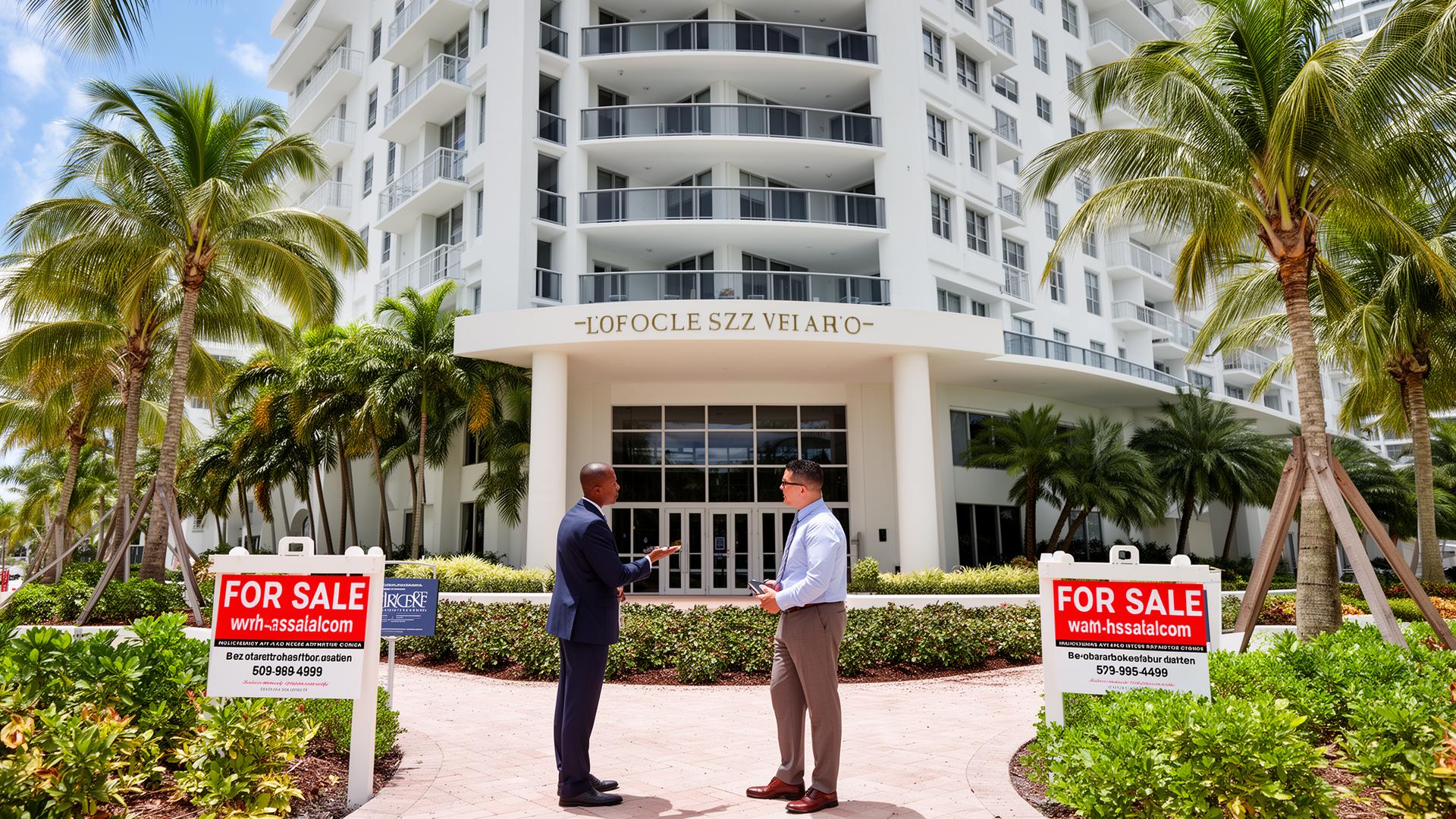
When Is the Right Time to Sell a Multifamily Property in Miami?
Timing a multifamily disposition involves balancing market conditions, property performance, and investor objectives. The best time to sell typically aligns with one or more of the following conditions:
- Peak market valuations: When cap rates are compressed and buyer demand exceeds available inventory
- Completed value-add program: After renovations and rent increases have been fully realized and stabilized
- Lease maturity: When long-term leases are in place providing income certainty for buyers
- Tax planning events: Estate planning, partnership dissolution, or 1031 exchange timelines; consult a qualified tax adviser and review the IRS like-kind exchange guidance
- Interest rate environment: Lower rates may improve buyer purchasing power, while asset values also depend on property performance and market conditions
Multifamily demand depends on factors including population trends, housing supply, and property performance. For current market pricing, review our analysis of average cap rates for Miami commercial properties.
Pre-Sale Property Optimization
Maximizing sale price begins well before listing the property. Strategic pre-sale preparation can increase NOI and reduce buyer objections:
Physical improvements:
- Address deferred maintenance items that create inspection concerns
- Improve curb appeal with landscaping, exterior paint, and signage
- Complete any in-progress unit renovations to demonstrate value-add execution
- Repair or replace failing mechanical systems (HVAC, plumbing, electrical)
Financial optimization:
- Mark below-market rents to market at lease renewal
- Reduce vacancy through targeted leasing efforts
- Renegotiate service contracts to demonstrate efficient operations
- Eliminate one-time expenses that distort trailing NOI
- Ensure clean, organized financial records for buyer due diligence
Our detailed guide on preparing an investment property for sale covers the complete pre-sale optimization process.
Multifamily Valuation for Disposition
Definition: Disposition valuation determines the optimal asking price by analyzing comparable sales, income capitalization, and replacement cost to establish market value and pricing strategy.
Key valuation approaches for multifamily:
- Income capitalization: Stabilized NOI ÷ market cap rate = estimated value
- Comparable sales: Price per unit and price per SF benchmarked against recent transactions
- Replacement cost: Land value plus construction cost, adjusted for depreciation and obsolescence, is a reference point rather than a hard value ceiling; market demand also matters
Questions for a recent comparable assessment:
- Which recent sales are truly comparable in location, vintage, unit mix, condition and occupancy?
- What were the verified income, expenses and financing terms behind each price?
- How do in-place rents compare with supportable market rents for similar units?
- What deferred maintenance or capital needs would a buyer price in?
Pricing strategy should reflect both current income and future upside potential. Properties with below-market rents and value-add potential can justify premium pricing based on projected returns for sophisticated buyers.

Marketing Strategy for Multifamily Dispositions
Effective marketing targets the right buyer pool with compelling investment narrative and professional materials:
Marketing components:
- Offering memorandum (OM): Professional document presenting investment thesis, financial analysis, market data, and property details
- Financial package: T-12 income statement, rent roll, operating history, and proforma projections
- Property photography: Professional interior and exterior photos, aerial/drone imagery
- Market data: Submarket analysis, demographic trends, and comparable transaction data
Distribution channels:
- Targeted outreach to active multifamily buyers and 1031 exchange investors
- Commercial listing platforms (CoStar, LoopNet, Crexi)
- Institutional investor and family office networks
- Local and national brokerage co-broker networks
Working with experienced commercial real estate brokers can broaden market exposure and attract potential bidders.
The Disposition Process: From Listing to Closing
A well-managed disposition process maximizes price while minimizing time on market:
Phase 1 — Pre-Marketing (2–4 weeks):
- Property condition assessment and repairs
- Financial package preparation and verification
- Offering memorandum creation
- Pricing strategy and market positioning
Phase 2 — Marketing (4–8 weeks):
- Targeted buyer outreach and platform listing
- Property tours and buyer qualification
- Best-and-final offer solicitation
- Offer analysis and negotiation
Phase 3 — Contract to Close (30–60 days):
- Purchase and sale agreement execution
- Buyer due diligence period
- Financing contingency resolution
- Title clearance and closing coordination
Total timeline from engagement to closing typically ranges from 3–6 months, depending on property complexity and market conditions.
Tax Considerations When Selling Multifamily in Miami
Tax planning is a critical component of multifamily disposition strategy. Key considerations include:
- Capital gains tax: Gains on appreciated real estate may be subject to federal tax
- Depreciation recapture: Depreciation may affect the tax treatment of gain upon sale
- Net investment income tax: An additional federal tax may apply depending on your circumstances
- 1031 exchange: A qualifying like-kind exchange may defer gain subject to IRS requirements and timelines
- Installment sale: Spread gain recognition over multiple years through seller financing
- Opportunity Zone investment: Potential tax benefits for reinvestment in qualified areas
Florida's absence of personal income tax may affect sellers' after-tax proceeds, depending on their circumstances. The Florida Department of Revenue provides state tax information, while the Miami-Dade Property Appraiser provides assessed value data critical for tax planning. Work with qualified tax advisors to structure the optimal disposition strategy. See the IRS like-kind exchange guidance.
Common Mistakes When Selling Multifamily Properties
Avoid these frequent seller errors that reduce sale proceeds or extend time on market:
- Overpricing: Unrealistic pricing based on proforma rather than actual performance drives away serious buyers
- Poor financial records: Disorganized or incomplete financials erode buyer confidence and invite lower offers
- Deferred maintenance: Visible physical issues create negative first impressions and trigger aggressive repricing during inspection
- Wrong broker selection: Choosing a residential agent or inexperienced broker limits market exposure and negotiation leverage
- Ignoring tax implications: Failing to plan for capital gains and depreciation recapture can result in significant unexpected tax liability. Consult a qualified tax adviser and review IRS Publication 544.
- Poor timing: Selling during lease expirations, construction disruption, or market downturns reduces achievable pricing
Professional representation from a specialized commercial brokerage can help manage these risks. Explore commercial property for sale in Miami for more information.
Supreme CRE: Multifamily Disposition Advisory
Supreme Capital Commercial Real Estate Miami provides comprehensive disposition services for multifamily property owners across Miami-Dade County:
- Property valuation and pricing strategy
- Pre-sale optimization advisory
- Professional offering memorandum preparation
- Targeted buyer outreach and marketing
- Negotiation and transaction management
- 1031 exchange coordination
Our team applies its multifamily market expertise to buyer outreach and pricing. Consult a qualified tax adviser and review the IRS like-kind exchange guidance. Contact us to discuss your disposition objectives.
Related Resources
Frequently Asked Questions
How long does it take to sell a multifamily property in Miami?
The typical disposition timeline from listing to closing is 3–6 months. Well-priced properties in desirable submarkets like Brickell and Doral may sell faster due to concentrated buyer demand, while larger or complex assets with multiple ownership structures may take longer.
The timeline breaks into distinct phases: pre-marketing preparation (2–4 weeks), active marketing and buyer tours (4–8 weeks), best-and-final offer solicitation (1–2 weeks), and contract to closing (30–60 days). Sellers who begin financial documentation and physical preparation months before listing can significantly compress the overall timeline.
What cap rate should I expect when selling my apartment building?
Miami multifamily cap rates vary across neighborhoods and property types. Your achievable cap rate depends on location, property condition, tenant quality, lease terms, and current market interest rate environment.
Financing conditions can affect cap rates. Properties with strong value-add execution—demonstrated through completed renovations and rent increases—can command tighter cap rates than their unrenovated peers. Sellers should benchmark their expected cap rate against recent comparable sales rather than relying on historical pricing.
Should I do renovations before selling?
Focus on cosmetic improvements and deferred maintenance that improve first impressions and eliminate buyer objections. Fresh paint, landscaping, lobby updates, and parking lot maintenance create immediate visual impact at relatively low cost. Major structural renovations are generally not recommended unless they can be completed, stabilized, and reflected in higher rents well before listing.
The exception is completing an in-progress value-add program. If you have partially renovated units, finishing the remaining units demonstrates execution capability and provides buyers with a proven renovation template and rent premium data they can project across the portfolio.
What is a 1031 exchange?
A 1031 exchange may allow you to defer capital gains taxes by exchanging qualifying real estate for like-kind property, subject to IRS rules, including generally 45 days to identify replacement properties and 180 days to complete the exchange. It can apply to qualifying real estate held for investment or productive use in a trade or business.
Multifamily sellers frequently exchange into NNN retail or industrial properties for more passive management, or into larger multifamily assets to consolidate and scale their portfolios. A qualified intermediary is commonly used to facilitate the exchange; full deferral depends on the transaction details, including the replacement property's value and any cash or other non-like-kind property received. Tax treatment depends on the taxpayer and transaction; consult a qualified tax adviser and review the IRS like-kind exchange guidance.
Do I need a commercial broker to sell my multifamily property?
While not legally required, a specialized commercial real estate broker can help market a property, reach potential buyers, and negotiate offers. Commercial brokers may use buyer databases, industry relationships, and marketing resources to broaden exposure.
A broker can help manage a competitive bidding process among qualified buyers. Brokers can also help sellers evaluate offers and prepare for due diligence.
What documents do I need to sell a multifamily property?
Essential documents include trailing 12-month income and expense statements, current rent roll with lease terms and expiration dates, copies of all executed leases and amendments, property tax bills and insurance policies, capital expenditure records, and maintenance history. Organized, complete documentation accelerates buyer due diligence and supports premium pricing.
Additionally, sellers should prepare tenant estoppel certificate templates, obtain a current Phase I environmental assessment, compile building system maintenance records (HVAC, plumbing, electrical), and organize any permits or certificates of occupancy. A well-prepared virtual data room demonstrates professional asset management and increases buyer confidence.