
Preparing an Investment Property for Sale in Miami
Published · Updated · 8 min read
Preparing an investment property for sale in Miami involves systematic financial optimization, physical improvement, and documentation preparation that supports commercial building valuation and attracts qualified buyers. Thorough pre-sale preparation can help buyers assess the property and its risks.
Why Pre-Sale Preparation Matters for Commercial Properties
Pre-sale preparation is an important step in the commercial property disposition process. Buyers evaluate properties based on income quality, physical condition, and perceived risk. Addressing issues before listing can reduce objections and support pricing.
Impact of preparation on sale outcomes:
- Price premium: Preparation can support pricing by addressing issues buyers may otherwise use to negotiate
- Time on market: Preparation can reduce due diligence friction, though selling time varies
- Buyer quality: Clear documentation can help buyers assess the property and its risks
- Negotiation position: Fewer inspection findings can reduce buyer leverage for price reductions
- Closing certainty: Preparation can reduce the risk of contract failures from due diligence issues
Pre-sale preparation costs should be weighed against their potential effect on the sale. In a hypothetical example, a $50,000 preparation investment on a $5 million property that achieves a 5% price premium generates $250,000 in additional proceeds, or $200,000 after the preparation cost.
Financial Documentation Preparation
Clean, organized financial records are the foundation of buyer confidence. Begin preparing documentation 6–12 months before your target listing date:
Essential financial documents:
- Trailing 12-month (T-12) income statement: Monthly detail showing actual income and expenses
- 3-year operating history: Annual statements demonstrating income stability and growth trends
- Current rent roll: Complete tenant roster with unit numbers, SF, lease terms, rent amounts, escalations, and expiration dates
- Lease copies: All executed leases, amendments, and renewal agreements organized digitally
- Tax returns: Partnership returns or Schedule E for 3 years (verifies reported income)
- Property tax bills: Current and prior year assessments
- Insurance policies: Current coverage details and premium history
- Capital expenditure records: Documentation of all improvements and major repairs
Professional commercial property valuation relies on accurate, verifiable financial data. Incomplete records erode buyer confidence and invite lower offers.
Income Optimization Before Listing
Maximizing NOI before sale directly increases property value through the income capitalization formula (Value = NOI ÷ Cap Rate):
Revenue enhancement:
- Mark below-market rents to current market levels at lease renewal
- Fill vacant units with quality tenants (stabilized occupancy commands tighter cap rates)
- Add ancillary income sources (parking, signage, storage, laundry)
- Implement utility reimbursement programs where applicable
- Review and enforce percentage rent clauses in retail leases
Expense reduction:
- Competitively bid service contracts (landscaping, janitorial, security)
- Implement energy efficiency measures (LED lighting, HVAC optimization)
- Appeal property tax assessments if overvalued
- Review insurance coverage for potential savings through higher deductibles or carrier competition
- Eliminate unnecessary expenses that inflate operating costs
For example, at a hypothetical 5% cap rate, each $1 increase in NOI implies a $20 increase in value, assuming the cap rate remains unchanged.

Physical Property Improvements
Strategic physical improvements address buyer concerns and create positive first impressions:
High-impact, low-cost improvements:
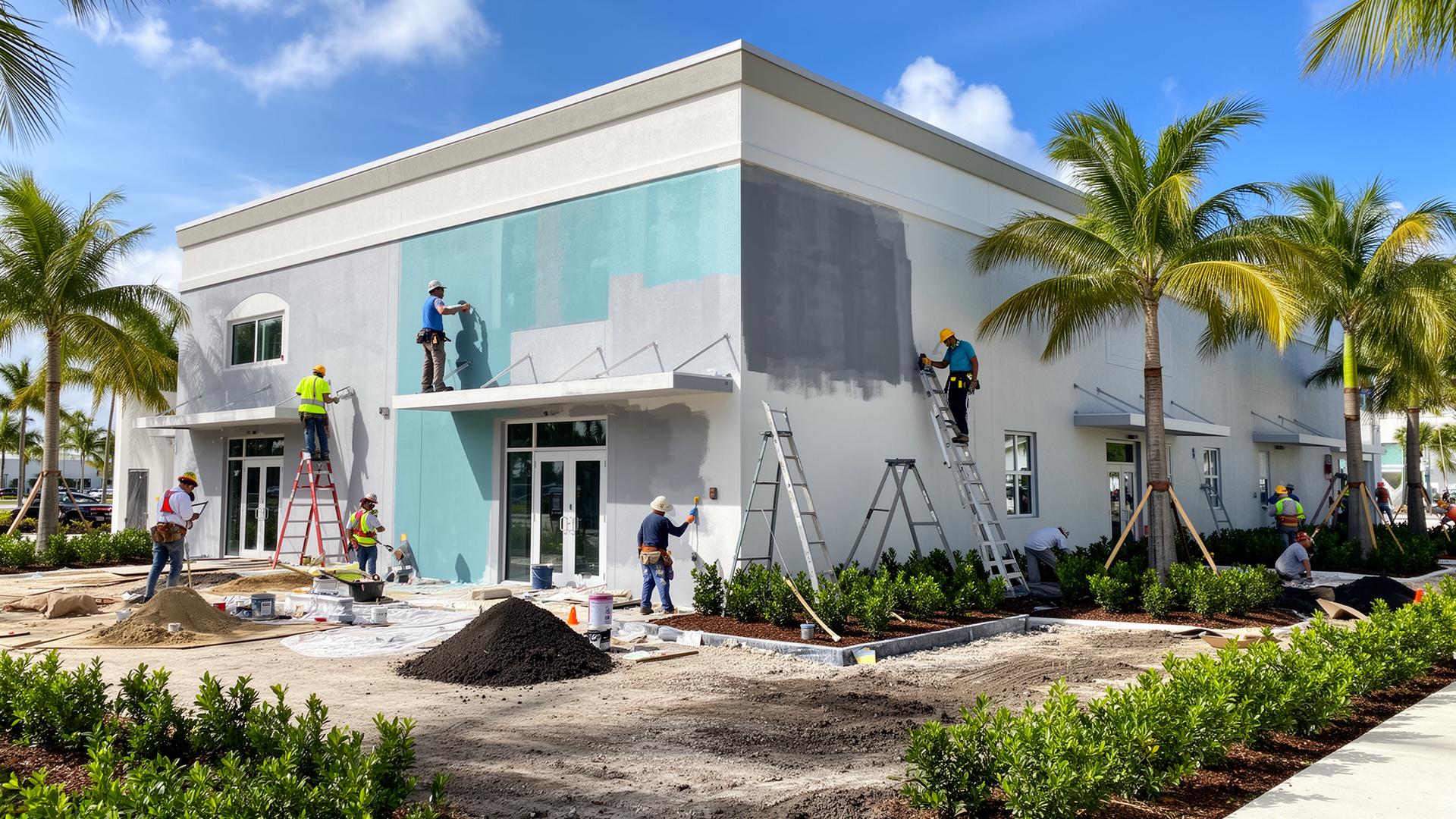
- Exterior paint and facade refresh
- Landscaping improvements and irrigation repair
- Parking lot seal coating and striping
- Lobby and common area cosmetic updates
- Signage repair and modernization
- Lighting upgrades (exterior and common areas)
Deferred maintenance items to address:
- Roof repairs or replacement if near end of life
- HVAC system servicing and repair
- Plumbing and electrical issues
- Fire safety and life safety system certification
- ADA compliance items
Focus investment on items that either increase rent/occupancy or prevent buyer price reductions during due diligence. Avoid over-improvement that won't be reflected in the sale price.
Lease Audit and Tenant Communication
A thorough lease audit ensures all documentation supports the presented income stream:
Lease audit checklist:
- Verify all lease terms match the rent roll
- Confirm rent escalation schedules are being applied correctly
- Review expense recovery provisions and ensure proper billing
- Identify any outstanding tenant concessions or obligations
- Document all verbal agreements or side letters in writing
- Resolve any tenant disputes or delinquencies before listing
Tenant communication strategy:
- Decide whether to inform tenants of the pending sale (consider lease requirements)
- Prepare tenant estoppel certificate templates
- Address any tenant concerns that could complicate buyer due diligence
- Document tenant history and payment reliability for buyer reference
Environmental and Compliance Preparation
Environmental and regulatory compliance issues are among the most common sources of deal failure. Proactive assessment protects sellers:
- Phase I ESA: Obtain a current Phase I assessment to identify potential environmental concerns before buyers discover them
- Building code compliance: Address any open permits, code violations, or certificate of occupancy issues
- ADA compliance: Ensure accessible entrances, restrooms, and parking meet current standards
- Fire and life safety: Current inspection certificates for fire sprinkler, alarm, and suppression systems
- Zoning verification: Confirm all current uses are conforming or legally non-conforming
The Miami-Dade County Zoning Department can verify current use conformity, while the Miami-Dade Property Appraiser provides assessment data critical for tax projection during buyer underwriting. Addressing these items proactively demonstrates professional asset management and eliminates surprises during buyer due diligence.
Selecting the Right Brokerage Team
The broker selection decision significantly impacts sale outcomes. Key criteria for selecting a disposition broker:
- Asset class expertise: Choose a broker with specific experience in your property type (multifamily, industrial, retail, office)
- Market knowledge: Deep understanding of Miami-Dade submarket dynamics and comparable transactions
- Buyer relationships: Established connections with active investors, funds, and 1031 exchange buyers
- Marketing capabilities: Professional offering memorandum preparation, photography, and platform distribution
- Track record: Verifiable history of successful dispositions at competitive pricing
- Communication: Regular reporting on marketing activity, showing feedback, and market conditions
Supreme Capital Commercial Real Estate Miami provides disposition brokerage for commercial properties in Miami-Dade County. Contact us to begin preparing your property for sale.
Pre-Sale Timeline and Action Plan
Begin preparation 6–12 months before your target listing date using this timeline:
6–12 months before listing:
- Engage a commercial broker for preliminary valuation and strategy discussion
- Begin financial documentation organization
- Initiate income optimization (rent increases, vacancy lease-up)
- Commission Phase I environmental assessment
3–6 months before listing:
- Complete physical improvements and deferred maintenance repairs
- Finalize lease audit and tenant documentation
- Address any compliance or regulatory issues
- Engage tax and legal advisors for disposition planning
1–3 months before listing:
- Commission professional photography and marketing materials
- Finalize pricing strategy with your broker
- Prepare virtual data room with all due diligence documents
- Brief tenants as appropriate per your communication strategy
For guidance on commercial properties for sale in Miami, review recent comparable sales and county property appraiser records to assess market positioning.
Related Resources
Frequently Asked Questions
How far in advance should I start preparing my property for sale?
Begin preparation 6–12 months before your target listing date. This timeline allows sufficient time for income optimization (marking rents to market, filling vacancies), completing physical improvements, organizing financial documentation, obtaining environmental assessments, and resolving any compliance issues.
Starting early is critical because many value-enhancing actions—particularly lease renewals at higher rents and vacancy lease-up—require months to execute and stabilize. Sellers who wait until listing to address these items either delay their marketing timeline or go to market with suboptimal property positioning.
What improvements offer the best ROI before selling?
Cosmetic improvements—exterior painting, landscaping upgrades, lobby modernization, parking lot seal coating, and signage repair—offer the highest returns because they create immediate visual impact at relatively low cost. Income optimization actions like marking below-market rents to current levels and filling vacancies also generate outsized ROI through NOI improvement.
Avoid major structural improvements unless they directly prevent significant buyer price reductions during due diligence. A $50,000 cosmetic refresh that prevents a $200,000 buyer price reduction is a far better investment than a $500,000 HVAC replacement that may not proportionally increase the sale price.
How much does pre-sale preparation increase sale price?
Pre-sale preparation may affect the sale price and timing, but the impact varies. For example, on a $5 million property, a hypothetical 10% premium represents $500,000 in additional proceeds.
The specific impact depends on the property's starting condition and the improvements made. Properties with deferred maintenance, vacancy, and disorganized financials may benefit from addressing these issues, while already well-maintained assets may benefit from documentation organization and income optimization.
What financial documents do buyers need?
Essential documents include trailing 12-month income and expense statements with monthly detail, 3-year annual operating history demonstrating income trends, current rent roll with all tenant details, executed lease copies with amendments, partnership or Schedule E tax returns for 3 years, property tax bills, insurance policies, and capital expenditure records.
Sophisticated institutional buyers also expect a detailed rent roll analysis showing lease expiration schedule, below-market rent identification, and mark-to-market opportunity. Having these materials organized in a virtual data room before listing accelerates due diligence and signals professional asset management that increases buyer confidence and pricing.
Should I fill vacancies before selling?
It depends. Strong occupancy and proven in-place income can appeal to buyers by reducing lease-up risk, but compare leasing costs and timing with potential sale benefits.
The exception applies when market rents significantly exceed in-place lease rates and the vacant space can be presented as mark-to-market upside. In these cases, sellers should present proforma projections supported by comparable lease data showing achievable market rents for the vacant units, allowing buyers to underwrite value-add potential.
Do I need a Phase I environmental assessment before listing?
While not legally required for sellers, obtaining a current Phase I Environmental Site Assessment is strongly recommended. It identifies potential environmental concerns before they surprise buyers during due diligence and demonstrates professional asset management and transparency.
Phase I assessments (cost varies by property and consultant; request quotes) provide sellers with advance knowledge of any recognized environmental conditions. If issues are identified, sellers can proactively address them, obtain environmental insurance, or adjust pricing—all preferable to having a buyer discover issues during their own investigation and use them as leverage for aggressive price reductions or contract termination.