
Industrial & Flex Warehouse Investment in Doral
Published · Updated · 8 min read
Doral has emerged as Miami-Dade County's premier industrial submarket, driven by Miami International Airport proximity, free trade zone access, and explosive e-commerce logistics demand. Industrial real estate investments in Doral—including warehouses, distribution centers, and flex spaces—deliver stable yields with strong tenant demand. This guide analyzes acquisition strategies, cap rate trends, and submarket dynamics for industrial investors.
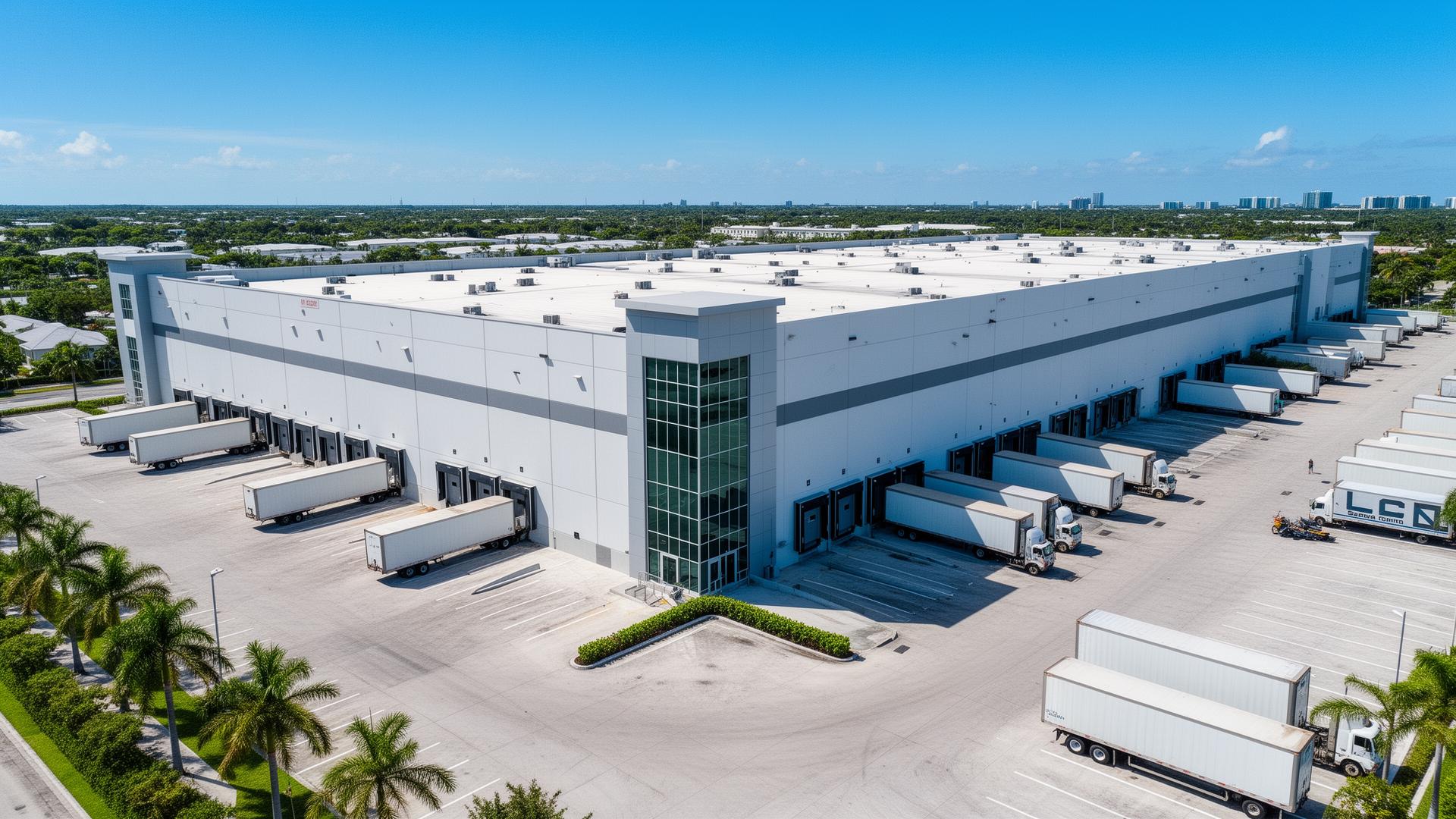
Why Doral Dominates Miami's Industrial Real Estate Market
Doral's strategic position adjacent to Miami International Airport (MIA) makes it the epicenter of South Florida's industrial and logistics infrastructure. The city hosts the second-largest concentration of warehousing and distribution space in Florida, behind only the I-4 corridor in Central Florida.
Key competitive advantages:
- Direct access to MIA—the nation's #1 international freight airport
- Foreign Trade Zone (FTZ) designation enabling duty-free import/export operations
- Proximity to PortMiami and the Dolphin Expressway (SR 836)
- Established base of 3PL providers, freight forwarders, and distribution companies
- Growing demand from e-commerce fulfillment and last-mile delivery operators
These structural advantages make Doral commercial real estate among the most resilient industrial investment markets in the southeastern United States.
Industrial Property Types in Doral
Definition: Industrial real estate encompasses properties used for manufacturing, warehousing, distribution, and light industrial operations. In Doral, the market is primarily composed of logistics-oriented assets.
Common industrial property types:
- Bulk distribution warehouses: 50,000–500,000+ SF facilities used for large-scale storage and distribution. Typically feature 24–32-foot clear heights and multiple dock doors.
- Flex/warehouse space: 5,000–30,000 SF units combining office and warehouse functionality. Ideal for small businesses, e-commerce operators, and light manufacturing.
- Cold storage facilities: Temperature-controlled warehouses serving food distribution, pharmaceuticals, and perishable goods logistics.
- Last-mile delivery centers: Smaller facilities (10,000–50,000 SF) positioned for rapid delivery to end consumers.
- Manufacturing facilities: Specialized buildings with heavy power, cranes, and production-grade infrastructure.
Each property type carries different risk-return profiles. Bulk distribution centers offer lower yields but institutional tenant quality, while flex spaces provide higher cap rates with more management intensity.
Cap Rates and Valuation for Doral Industrial Properties
Industrial cap rates in Doral depend on property condition, tenant credit, lease terms, and recent comparable sales. Understanding current market pricing is essential for accurate commercial property valuation.
Cap rate considerations:
- Class A bulk distribution: Review comparable sales and lease terms.
- Class B warehouse/distribution: Assess property condition and capital needs.
- Flex/multi-tenant industrial: Review tenant mix and rent rolls.
- Cold storage: Assess specialized equipment and operating costs.
- Value-add/repositioning: Compare in-place NOI with renovation costs and leasing assumptions.
Investors should analyze cap rates alongside replacement cost, tenant credit quality, lease term remaining, and submarket vacancy when evaluating industrial acquisitions. Properties with below-market rents and near-term lease expirations may offer significant mark-to-market upside.
E-Commerce and Logistics Demand Driving Industrial Investment
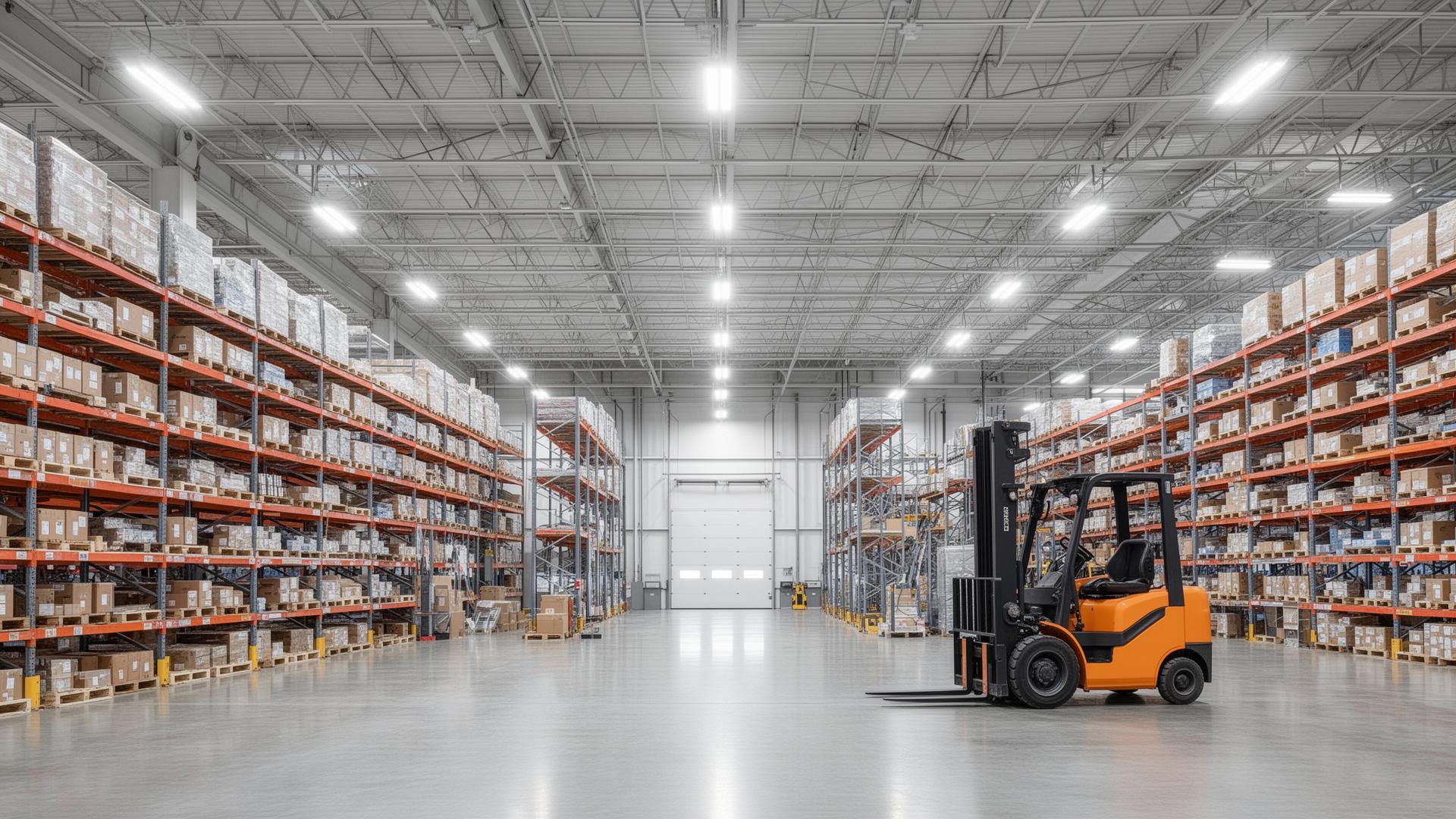
The explosive growth of e-commerce has fundamentally transformed industrial real estate demand in Doral. Online retailers and third-party logistics providers require significantly more warehouse space per dollar of revenue than traditional brick-and-mortar retailers.
Key demand trends:
- E-commerce penetration continues to grow, driving warehouse demand
- Last-mile delivery requirements favor Doral's central location
- Nearshoring trends are bringing manufacturing closer to U.S. markets
- Latin American trade routes continue to expand through MIA and PortMiami
- Cold chain logistics demand growing with online grocery and meal delivery
These secular demand trends support continued rental growth and low vacancy rates in Doral's industrial market, underpinning strong investment fundamentals for commercial property investment in the industrial sector.
Acquisition Strategies for Industrial Properties in Doral
Successful industrial investment in Doral requires a clear strategy aligned with investor objectives, risk tolerance, and hold period. The most common approaches include:
Core/Core-Plus: Acquiring stabilized, institutional-quality warehouses with investment-grade tenants on long-term leases. Returns depend on acquisition price, income, and expenses.
Value-Add: Targeting properties with below-market rents, vacancy, or deferred maintenance. Investors implement improvements and lease-up strategies to increase NOI. Returns depend on improvement costs, leasing outcomes, and the purchase price.
Development/Redevelopment: Ground-up construction or conversion of obsolete properties. Returns depend on construction costs, leasing outcomes, and development risks. Limited availability of developable land in Doral makes existing asset acquisition more practical.
Regardless of strategy, thorough underwriting is essential. Our guide on commercial property acquisition underwriting provides a detailed framework for evaluating industrial deals.
Leasing Dynamics in Doral's Industrial Market
Understanding leasing fundamentals is critical for industrial investors, as lease structure directly impacts property value and investor returns.
Key leasing metrics in Doral:
- Average asking rents: Review recent comparable listings and lease terms for warehouse and flex space
- Vacancy rates: Review current availability and property-level occupancy data
- Average lease terms: Compare terms by tenant type and property
- Rent escalations: Review escalation clauses in current and comparable leases
- Tenant improvement allowances: Evaluate allowances alongside tenant credit, lease term, and improvement costs
Investors should evaluate lease structures carefully, paying particular attention to expense recovery mechanisms, renewal options, and early termination clauses. For more on industrial leasing, see our guide on industrial and warehouse leasing in Doral.
Financing Industrial Acquisitions in South Florida
Lender appetite for industrial properties varies by asset, location and market conditions. Financing options include:
- Traditional bank loans: Terms, leverage, amortization and recourse depend on the lender, borrower and asset — request actual term sheets
- CMBS loans: Non-recourse structures may be available; leverage, amortization and recourse depend on the lender, borrower and asset — request actual term sheets, ideal for stabilized single-tenant properties
- SBA 504 loans: Available for owner-user acquisitions, subject to SBA and lender eligibility; request actual terms
- Bridge loans: Short-term financing for value-add and lease-up situations
- Life company loans: Rates and terms depend on the asset and lender
The capital stack structure should align with the investment strategy—core acquisitions warrant more conservative leverage, while value-add plays may justify higher leverage to amplify returns.
Why Work with Supreme CRE for Industrial Investment in Doral
Supreme Capital Commercial Real Estate Miami maintains deep expertise in Doral's industrial market, providing investors with:
- Proprietary deal flow from established owner and operator relationships
- Detailed submarket analysis and comparable transaction data
- Financial underwriting and due diligence support
- Tenant representation and lease negotiation for portfolio assets
- Disposition advisory for exit strategy optimization
Whether you're acquiring your first industrial property or expanding a portfolio, our team of commercial real estate brokers delivers institutional-quality service tailored to your investment objectives. Contact our industrial investment team to discuss opportunities in Doral.
Related Resources
Frequently Asked Questions
What are typical cap rates for industrial properties in Doral?
Cap rates vary by property type, tenant mix, lease terms, and income stability. For value-add properties, assess in-place income alongside lease-up costs and potential rental growth using rent rolls and recent comparable sales.
Doral industrial cap rates may be influenced by demand and proximity to MIA, PortMiami, and major highway networks. Class A properties with credit tenants and long-term leases may attract different pricing based on their perceived risk.
Cap rate selection for underwriting purposes should account for remaining lease term, tenant credit quality, building specifications, and whether the property offers mark-to-market rental upside at lease renewal.
What is the average warehouse lease rate in Doral?
Warehouse lease rates in Doral depend on the property and lease terms. Flex space with office components may lease at different rates than warehouse space. Rates vary by building class, clear height, and dock-loading configuration.
Ask for recent comparable leases to assess current rents. Demand from e-commerce operators, 3PL providers, and international trade companies, along with available space, can affect rates.
Tenants should budget for total occupancy costs including NNN expenses (property taxes, insurance, and CAM), and request estimates to calculate all-in costs for warehouse or flex space.
Why is Doral a top industrial investment market?
Doral's proximity to Miami International Airport, Foreign Trade Zone access, established logistics infrastructure, and limited new supply create strong fundamentals for industrial investment.
The submarket benefits from being adjacent to the nation's largest international freight airport by value, one of the country's major air cargo gateways. This creates a concentration of logistics, freight forwarding, and distribution companies that require warehouse space within minutes of the airport for time-sensitive cargo handling.
Additionally, Doral's Foreign Trade Zone designation allows tenants to defer, reduce, or eliminate customs duties—a significant competitive advantage for import/export operations that many international trade companies consider.
What types of industrial properties are available in Doral?
Common property types include bulk distribution warehouses, flex/warehouse spaces, cold storage facilities, last-mile delivery centers, and manufacturing buildings.
Bulk distribution warehouses (50,000–500,000+ SF) with 24–32-foot clear heights and multiple dock doors represent the institutional core of Doral's industrial market. These properties attract national and international logistics companies requiring large-scale storage and distribution capabilities.
Flex and multi-tenant industrial buildings (3,000–30,000 SF per unit) serve small businesses, e-commerce operators, and light manufacturers who need combined office and warehouse functionality. These properties offer higher per-square-foot rents but require more active management.
How do I finance an industrial property acquisition?
Financing options include traditional bank loans, CMBS loans for stabilized properties, SBA 504 loans for owner-users, and bridge loans for value-add acquisitions. Ask lenders about available LTV ratios and underwriting requirements.
Stabilized industrial properties with credit tenants on long-term NNN leases may be considered for CMBS loans or life company debt, subject to lender requirements. Lenders assess tenant credit, lease terms, property condition, and cash flow when evaluating risk.
Value-add acquisitions requiring renovation or lease-up may use bridge loans with interest-only payments during repositioning; refinancing depends on lender requirements, property performance, and valuation.
What is the vacancy rate for industrial space in Doral?
Vacancy rates in Doral vary by property type, location, and current supply; review recent comparable properties and market reports for an estimate.
Available space and tenant competition depend on current leasing activity and property requirements. Review recent absorption and comparable lease data when assessing demand and rents.
New construction can affect vacancy as space is delivered and leased. Investors should assess rent rolls, lease expirations, and potential re-leasing costs when evaluating risk.