
Retail Strip Investment in Miami
Published · Updated · 8 min read
Commercial retail space in Miami—particularly neighborhood strip centers—can appeal to investors through necessity-based and service-oriented tenants. Income stability depends on the specific tenants, leases, location and property condition. This guide covers valuation methodologies, tenant mix strategies, and acquisition frameworks for retail strip investment in Miami.
Understanding the Retail Strip Center Investment Thesis
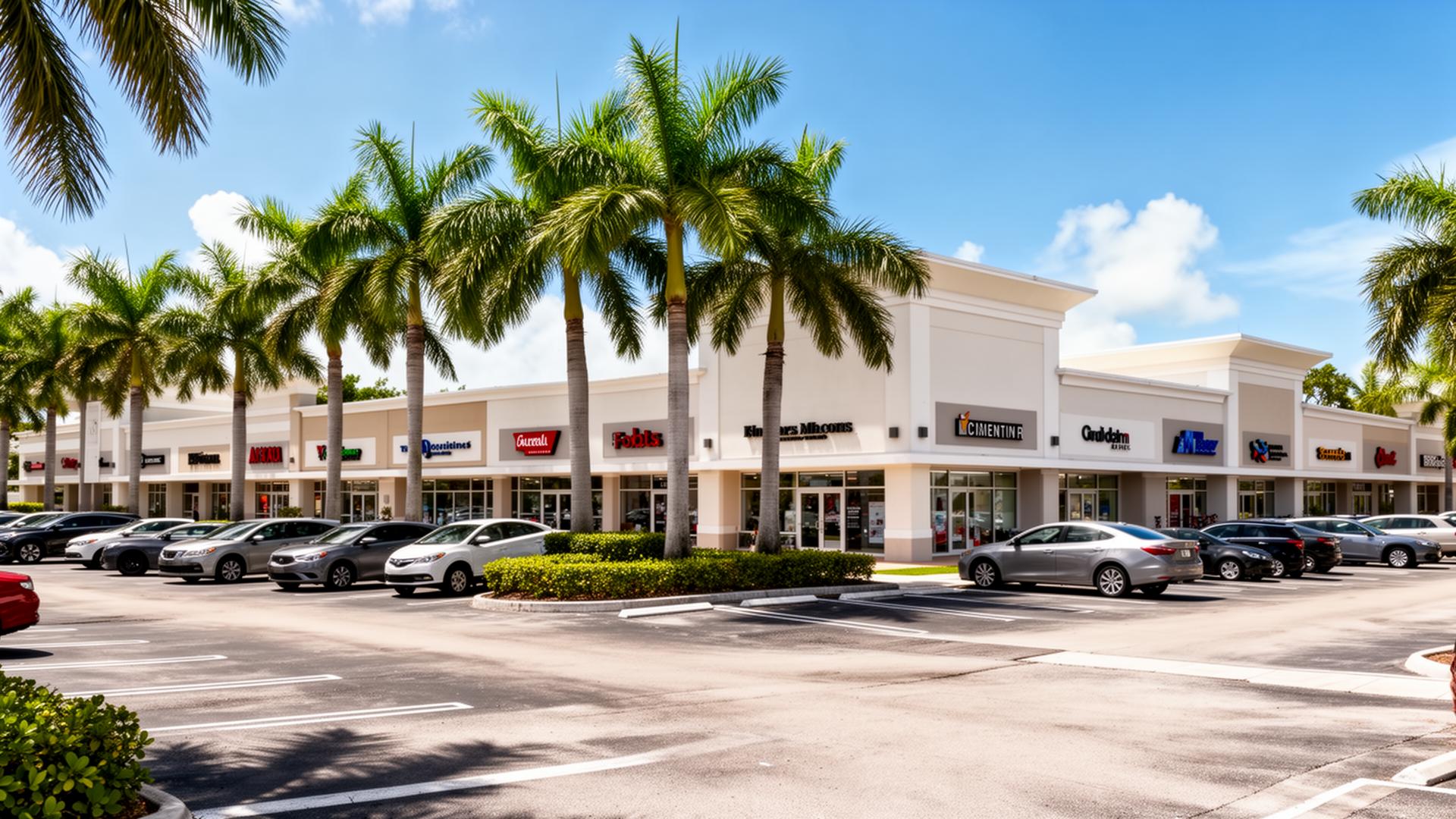
Definition: A strip center (also called a strip mall or neighborhood retail center) is a small to mid-size retail property typically featuring 5–20 tenant spaces in an open-air, linear configuration with shared parking.
Strip centers are a widely held commercial retail investment type in Miami. Unlike enclosed malls and large shopping centers, strip centers serve hyper-local demand and benefit from necessity-based tenant profiles.
Why some investors consider strip centers:
- Acquisition sizes that can suit a range of investors, depending on the property
- Necessity-based tenants resistant to e-commerce disruption
- Simple management and lower capital expenditure requirements
- Strong NNN lease structures transferring operating costs to tenants
- Favorable financing terms from community banks and credit unions
For investors weighing tenant, lease and location risk, Miami strip centers are one category of commercial property investment opportunities.
Miami Retail Market Fundamentals
Miami's retail market benefits from unique demand characteristics that differentiate it from most U.S. metros. Tourism, international visitor spending, and dense population centers drive consistent retail consumption.
Key market indicators:
- Retail vacancy rate: Review current availability and recent leasing activity in the relevant submarket
- Average asking rent: Compare current strip center listings, lease terms, and recent comparable leases
- Rent growth: Review rent rolls and comparable leases to assess changes in core submarkets
- Population density: Among the highest in Florida, supporting neighborhood retail demand
Miami's diverse population creates demand for culturally specific retail tenants—Latin American restaurants, international grocers, and bilingual service providers—which helps differentiate local strip centers from national portfolio assets. The Miami-Dade County economic data provides information on the county's economy.
Tenant Mix Strategy for Strip Center Investment
Tenant mix is an important factor affecting strip center value and income stability. A balanced mix often pairs traffic-generating anchors with inline tenants; the right mix depends on the trade area.
Tenant categories to consider (shares vary by center; no fixed prescription):
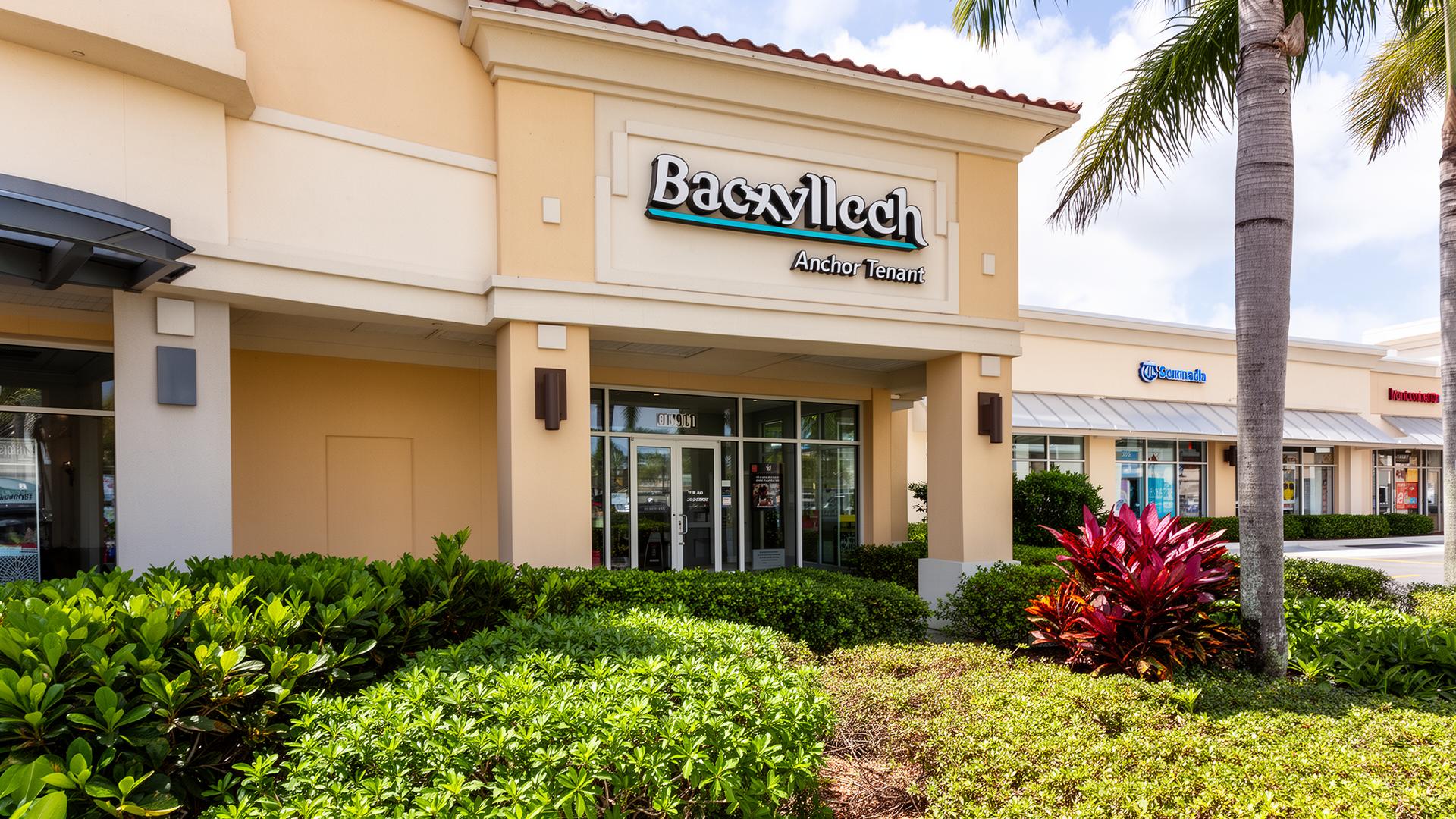
- Anchors (share of GLA varies by center): Grocery stores, pharmacies, dollar stores, medical clinics
- Service tenants: Hair salons, dry cleaners, tax preparers, dental offices
- Food & beverage: Quick-service restaurants, bakeries, coffee shops
- Convenience: Laundromats, shipping stores, cell phone repair
Avoid over-concentration in any single tenant category. A diversified mix can help reduce exposure to sector-specific downturns and support foot traffic across different dayparts.
Cap Rates and Valuation for Miami Strip Centers
Strip center valuation in Miami depends heavily on location, tenant quality, lease terms, and property condition. Assess cap rates using recent comparable sales, rent rolls, and a broker opinion of value.
Cap rate considerations:
- Anchored strip centers (credit tenants): tenant credit and lease terms
- Unanchored strip centers: tenant mix and lease terms
- Value-add (vacancy or below-market leases): leasing costs and capital needs
- NNN single-tenant retail: tenant credit and remaining lease term
For a deeper understanding of how cap rates influence investment decisions, review our analysis of average cap rates for Miami commercial properties.
Financing and Structuring Retail Strip Acquisitions
Retail strip centers offer flexible financing options suited to both individual and institutional investors.
- Community bank loans: Local lending relationships; leverage, amortization and recourse depend on the lender, borrower and asset — request actual term sheets
- CMBS: Non-recourse structures may be available; leverage, amortization and recourse depend on the lender, borrower and asset — request actual term sheets, 5–10 year terms for stabilized assets
- SBA 504: Available for owner-user components, subject to SBA and lender eligibility; request actual terms
- Seller financing: Occasionally available for estate sales or motivated sellers
The optimal capital stack structure depends on hold period, risk tolerance, and whether the acquisition is core or value-add.
Due Diligence Considerations for Strip Center Buyers
Retail strip center due diligence extends beyond standard commercial property analysis. Key focus areas include:
- Lease audit: Verify rent escalations, expense pass-throughs, renewal options, and co-tenancy clauses
- Tenant financial health: Request financial statements from key tenants; assess local business viability
- Parking ratio: Ensure adequate parking (4–5 spaces per 1,000 SF minimum)
- Ingress/egress: Evaluate traffic flow, visibility, and signage quality
- Environmental: Phase I assessment, particularly for properties with dry cleaning or auto service tenants
- Zoning: Confirm permitted uses align with target tenant profile via the Miami-Dade County zoning portal
For comprehensive acquisition analysis, refer to our guide on commercial property underwriting.
Miami Submarkets for Strip Center Investment
The best Miami submarkets for strip center investment combine dense residential populations with limited new retail supply.
- Hialeah: Dense, predominantly Hispanic community with strong demand for neighborhood retail
- Kendall/West Kendall: Rapidly growing suburban market with family-oriented tenant demand
- Doral: Affluent, growing community with strong international business presence
- Miami Gardens/Opa-Locka: Value-add opportunities with improving demographics
- Homestead: Emerging market with population growth driving new retail demand
Each submarket offers different risk-return profiles. Working with experienced commercial real estate brokers who understand local dynamics is essential for identifying the best opportunities.
Exit Strategies for Retail Strip Investors
Planning your exit strategy at acquisition ensures alignment between hold period, capital improvements, and return objectives.
Common exit strategies:
- Hold and cash flow: Long-term hold for stable income and depreciation benefits
- Value-add and sell: 3–5 year hold with lease-up and improvements followed by disposition
- 1031 exchange: Potential tax deferral when exchanging qualifying real estate; consult a qualified tax adviser and see IRS like-kind exchange guidance
- Portfolio aggregation: Build a portfolio and sell as a package to institutional buyers
For guidance on maximizing sale proceeds, see our analysis of off-market vs. public listing strategies. Ready to explore retail strip investments? Supreme Capital Commercial Real Estate Miami is ready to help — speak with a broker about current opportunities.
Related Resources
Frequently Asked Questions
What is a good cap rate for a strip center in Miami?
Cap rates for Miami strip centers depend on tenant credit, lease terms, occupancy, location, and property condition. Review rent rolls and recent comparable sales, and seek a broker opinion of value.
The cap rate reflects both the income quality and the risk profile of the asset. Anchored centers with national credit tenants like Publix, CVS, or Dollar General on long-term NNN leases may attract lower cap rates, depending on lease terms, tenant credit, and management obligations.
Investors should evaluate cap rates in the context of total return potential, including rent growth, expense optimization, and appreciation. For example, a hypothetical value-add strip center at an 8% cap rate with below-market rents may generate superior total returns compared to a stabilized center at 5.5% with limited upside.
What tenants are best for strip center investment?
Necessity-based tenants like grocery stores, pharmacies, medical offices, hair salons, and quick-service restaurants provide the most stable income and are resistant to e-commerce disruption.
These tenants serve daily needs that cannot be fulfilled online—people need in-person haircuts, dental visits, prescription pickups, and fresh food. This e-commerce resistance provides strip center investors with a durable income advantage over retail formats more vulnerable to online competition.
Medical tenants (urgent care, dental, optometry) are particularly valuable because they typically sign longer leases (7–10 years), invest significantly in their buildout, and generate consistent foot traffic that benefits neighboring tenants.
How much does a strip center cost in Miami?
The cost of a strip center depends on its size, location, tenant quality, and lease terms. Review recent comparable sales and the property’s rent roll when evaluating a price.
Pricing per square foot varies based on location, building age, condition, and income quality. Compare properties using recent sales and county property appraiser records.
Small unanchored strip centers may be an entry point for individual investors. Ask lenders about financing terms, including loan-to-value limits and personal recourse.
What is the average rent for retail space in Miami?
Retail rents in Miami strip centers vary by location, visibility, and tenant type; review recent comparable leases to assess asking rents.
Locations with high traffic counts and dense demographics may command higher rents than secondary locations in less established trade areas. Anchor tenants typically negotiate lower per-square-foot rents (compensated by their traffic-driving value), while inline tenants pay premium rates for the foot traffic the anchors generate.
Total occupancy cost for tenants includes base rent plus NNN expenses (property taxes, insurance, CAM), which vary by location and building expenses; review the lease and expense estimates to assess the total cost.
Are strip centers a good investment in 2026?
It depends on the specific center. Review tenant credit and sales where available, lease expirations, trade-area demand, competing supply, property condition and financing terms.
Necessity-based tenants can support traffic, but occupancy and rent performance vary by property and are not assured.
Miami's demographic advantages—population density, cultural diversity driving unique tenant demand, and sustained population growth—provide additional support for neighborhood retail investments that most U.S. markets cannot match.
What financing is available for strip center acquisitions?
Options include community bank loans, CMBS loans for stabilized properties, SBA 504 loans for owner-user components, and occasionally seller financing.
Community banks and credit unions can be financing sources for strip centers because they maintain deep local market knowledge, can underwrite based on relationship and local market expertise, and offer competitive terms for borrowers with strong personal financial statements and commercial real estate experience.
CMBS loans provide non-recourse financing for investors seeking to limit personal liability, though they come with more restrictive prepayment terms and less flexibility for value-add strategies. For investors planning significant property improvements, bridge-to-permanent loan structures may be more appropriate.