
Selling Commercial Land in South Florida
Published · Updated · 8 min read
Selling commercial land in South Florida requires understanding the unique dynamics of a geographically constrained market where developable land is a finite and appreciating resource. Landowners who optimize entitlements, target the right developer buyers, and time dispositions strategically achieve premium pricing that reflects South Florida's extraordinary development pressure.
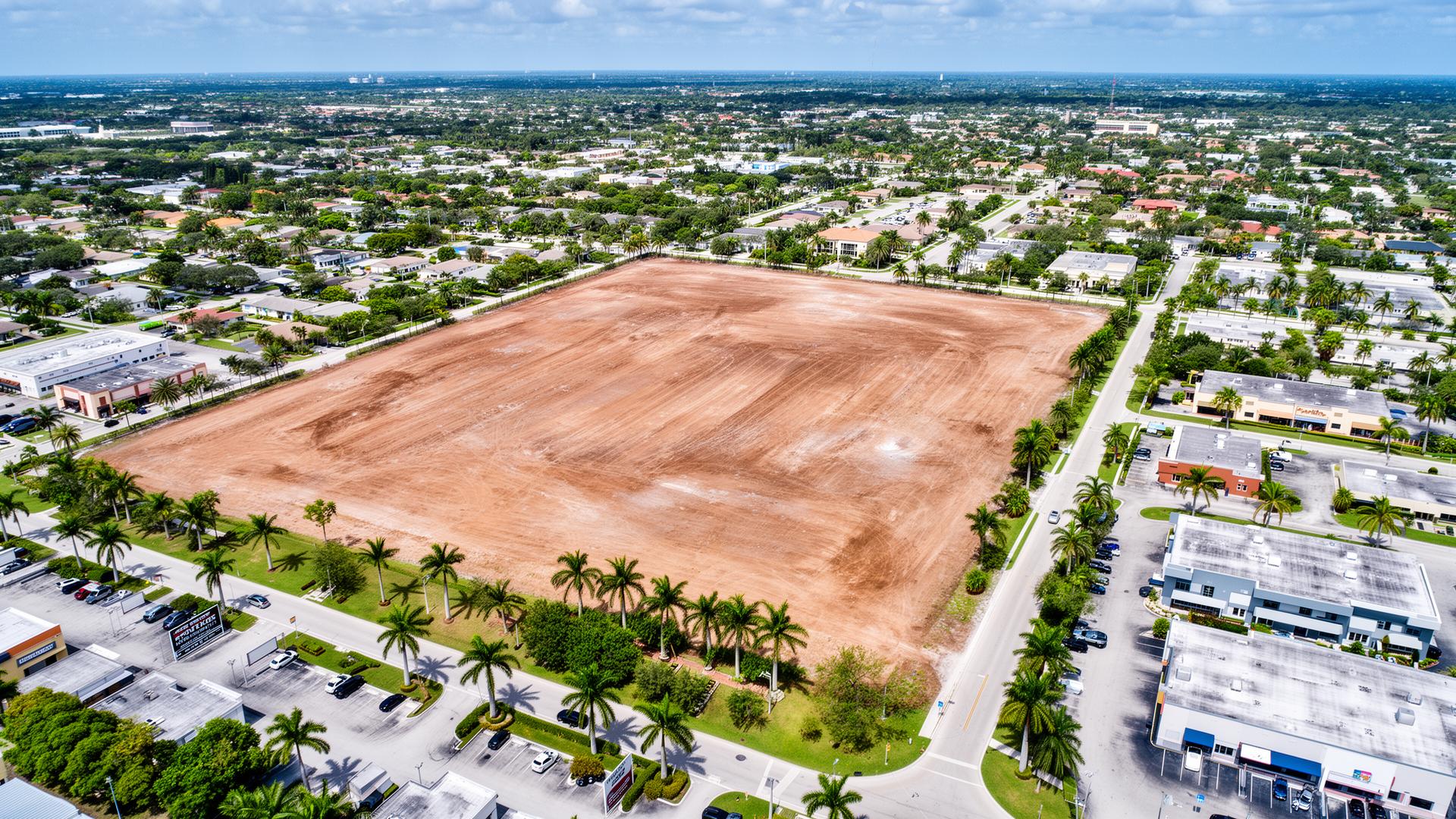
South Florida's Commercial Land Scarcity Advantage
South Florida's geographic constraints can limit developable land. The Urban Development Boundary, Everglades protection, and coastal limitations affect where development can occur:
- Finite supply: The UDB limits westward expansion in Miami-Dade, subject to land-use rules and boundary changes
- Growing demand: Population and employment growth can create development pressure
- Land values: Review recent comparable sales and property appraiser records to assess values in a submarket
- Development density: Zoning changes may allow higher density and affect per-acre values
- Infrastructure investment: Transit, highway, and utility improvements can affect land value in growth corridors
The Miami-Dade County Zoning Department administers the UDB and land use regulations that govern development potential, while the Miami-Dade Property Appraiser provides assessed values and property records. Scarcity can support land values, but disposition conditions depend on location, zoning, demand, and recent comparable sales. For investment context, see our guide on commercial land investment in South Florida.
Maximizing Land Value Through Entitlements
Definition: Entitlements are the government approvals (zoning, land use, permits) that determine what can be built on a parcel and at what density. Entitlements can increase land value by reducing some approval risks and uncertainty for developers.
Entitlement strategies for sellers:
- Rezoning: If current zoning underutilizes the site's potential, pursuing rezoning before sale can dramatically increase value
- Comprehensive plan amendment: Changing the Future Land Use Map designation to allow higher-intensity development
- Site plan approval: Obtaining approved development plans, subject to any remaining permits and approvals
- Environmental clearance: Completing Phase I/II assessments and obtaining environmental permits
- Traffic and utility studies: Pre-completing required infrastructure studies
The value differential between entitled and unentitled land depends on the approved use, density, remaining approval requirements, and comparable sales. The entitlement process can also require significant time and investment in consultants, attorneys, and application fees.
Land Valuation Methods for Sellers
Land valuation requires different approaches than improved property valuation:
Comparable sales approach:
- Price per square foot or per acre based on recent transactions for similarly zoned parcels
- Adjustments for location, access, shape, topography, and entitlement status
Residual land value method:
- Start with the completed development value
- Subtract construction costs, developer profit, and financing costs
- Remaining value = maximum supportable land price
Miami-Dade land pricing considerations:
- Urban infill (Brickell/Downtown): Review recent comparable sales and development entitlements
- Suburban commercial: Consider zoning, access, and comparable parcel sales
- Industrial zoned (Doral/Medley): Review permitted uses, access, and recent comparable sales
- Agricultural/pre-development: Consider land use restrictions, infrastructure, and entitlement costs
Sellers should understand both methodologies and price land based on the most favorable supportable analysis.
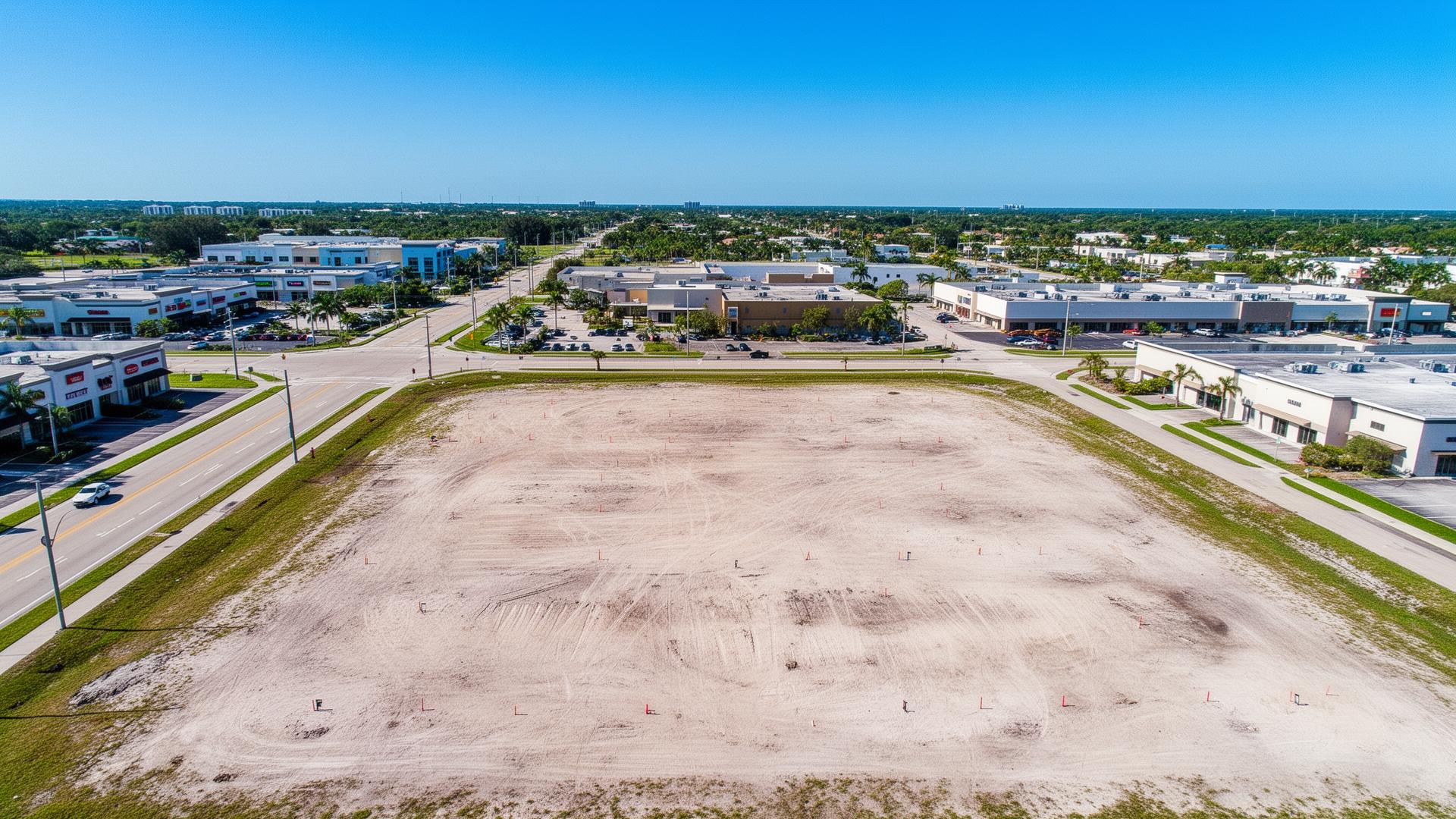
Targeting Developer Buyers
Commercial land buyers are predominantly developers with specific project requirements. Effective marketing targets developers whose needs align with the site's characteristics:
Developer buyer profiles:
- Multifamily developers: Seeking residentially zoned parcels in high-demand rental markets
- Industrial developers: Targeting industrially zoned land in Doral and logistics corridors
- Mixed-use developers: Urban infill sites near transit and employment centers
- Retail pad developers: Outparcel sites on high-traffic corridors
- Single-family builders: Large parcels suitable for residential subdivision
Marketing should emphasize development potential, approved or achievable density, access and infrastructure, and demographic support for the proposed use.
Environmental and Survey Preparation
Proactive environmental and survey preparation accelerates sales and protects sellers from due diligence surprises:
Essential pre-sale studies:
- ALTA/NSPS survey: Current boundary, topographic, and improvement survey meeting ALTA standards
- Phase I Environmental Site Assessment: Identifies potential contamination and recommends further investigation if needed
- Geotechnical report: Soil borings and analysis essential for South Florida's limestone geology
- Wetlands delineation: If applicable, defines jurisdictional wetland boundaries and developable area
- Flood zone determination: FEMA flood map analysis with elevation certificate if in a flood zone
Having these studies completed before listing demonstrates professionalism and eliminates common sources of buyer objections and renegotiation.
Deal Structure for Land Transactions
Land transactions often involve more complex deal structures than improved property sales:
- Purchase and sale agreement: Standard contract with specific land-related provisions for entitlements, environmental, and zoning contingencies
- Due diligence period: Negotiated; land often needs more time than improved properties due to entitlement and environmental review)
- Earnest money: Negotiated, with portions potentially becoming non-refundable at agreed milestones
- Closing timeline: Negotiated in the contract; may extend if entitlement approvals are pending
- Seller financing: Loan amount, interest rate, and term are negotiable and depend on the property and transaction
- Ground lease alternative: Sellers may retain ownership via long-term ground lease rather than selling fee simple
Flexible deal structuring—particularly willingness to provide seller financing—can attract more buyers and achieve higher total returns.
Tax Implications of Commercial Land Sales
Land sales present specific tax considerations that differ from improved property dispositions:
- Capital gains: Gain on investment land may qualify for long-term capital gains treatment, depending on the holding period and other circumstances
- Depreciation recapture: Land generally cannot be depreciated, but depreciation on improvements may be subject to recapture
- 1031 exchange: Investment land may qualify for like-kind exchange treatment if applicable requirements are met. Replacement property may include NNN properties.
- Dealer vs. investor classification: If the IRS classifies the seller as a dealer (land flipping), gains are treated as ordinary income rather than capital gains
- Installment sales: Seller financing may allow gain recognition to be spread over multiple years
Consult a qualified tax adviser and review IRS like-kind exchange guidance and IRS Publication 544.
Supreme CRE: Commercial Land Disposition in South Florida
Supreme Capital Commercial Real Estate Miami's land brokerage team provides expert disposition services for landowners across South Florida:
- Comprehensive land valuation and highest-and-best-use analysis
- Entitlement advisory and value optimization strategy
- Targeted developer buyer outreach
- Transaction structuring and negotiation
- Environmental and survey coordination
Contact our commercial real estate brokers to discuss maximizing the value of your South Florida land holding.
Related Resources
Frequently Asked Questions
How much is commercial land worth in South Florida?
Values vary by location and entitlement status across urban infill, suburban commercial, industrial-zoned, agricultural and pre-development land. Review recent comparable sales, county property appraiser records and a broker opinion of value.
Entitled use and permitted density are significant value drivers. A parcel's zoning and approved density can substantially affect its value compared with land restricted to agricultural or low-density use. Sellers who obtain entitlements before disposition may increase the parcel's value, subject to entitlement costs and market conditions.
Should I get entitlements before selling my land?
If timeline and budget allow, obtaining entitlements before sale may increase land value. Developers may pay a premium for reduced approval risk and shorter development timelines.
The entitlement process can require significant time and upfront investment in land use attorneys, environmental consultants, traffic engineers, and county application fees.
Sellers should weigh the expected value increase against the cost and timeline of entitlement, considering their financial position and holding cost during the approval process.
What studies should I complete before listing land for sale?
Essential pre-sale studies include an ALTA/NSPS boundary and topographic survey, Phase I Environmental Site Assessment, geotechnical report with soil borings, FEMA flood zone determination with elevation certificate, and wetlands delineation if the parcel is near waterways or natural areas.
Having these studies completed before listing demonstrates professional asset management, accelerates buyer due diligence, and reduces renegotiation risk. The cost of these studies is minimal relative to the pricing protection and transaction certainty they provide for land transactions valued at $500,000 or more.
Can I do a 1031 exchange with commercial land?
Yes. Commercial land held for investment may qualify for 1031 exchange treatment if IRS requirements are met. You can exchange into qualifying like-kind investment real estate, including improved income-producing properties like NNN assets, multifamily buildings, or industrial warehouses.
A deferred exchange generally requires a qualified intermediary, and full deferral depends on meeting applicable requirements for the replacement property, proceeds, and debt. Land itself cannot be depreciated, though depreciable improvements and other factors may affect the tax treatment of a sale. Florida has no state personal income tax, but the tax consequences depend on your circumstances. Consult a qualified tax adviser and review the IRS like-kind exchange guidance.
How long does it take to sell commercial land?
Commercial land typically takes 4–12 months to sell depending on size, location, entitlement status, and pricing. Entitled, development-ready parcels in high-demand areas like Doral or Downtown Miami sell fastest—often within 3–6 months with competitive developer interest.
Larger parcels requiring rezoning or those in secondary locations may take 6–12 months or longer. Seller financing can accelerate sales by expanding the buyer pool to include developers who may not have full acquisition capital available. The due diligence period for land is often longer than for improved properties due to environmental, geotechnical, and entitlement review requirements.
Who are the typical buyers for commercial land in South Florida?
Primary buyers include multifamily developers seeking residentially zoned parcels in high-demand rental markets, industrial developers targeting logistics-corridor sites near Doral and MIA, mixed-use developers pursuing urban infill near transit, retail pad developers on high-traffic corridors, and long-term land bankers anticipating future development pressure.
Each buyer type seeks specific zoning classifications, density allowances, and location characteristics. Marketing should be tailored to the developer profile most aligned with the parcel's entitled or achievable use. Working with brokers who maintain developer relationships across multiple property types ensures the widest relevant buyer exposure.