
Selling NNN Investment Properties in Florida
Published · Updated · 8 min read
Selling NNN investment properties in Florida requires strategic timing around lease terms, tenant credit cycles, and 1031 exchange demand patterns. Buyer interest may depend on remaining lease terms, tenant credit, and exchange timing. Consult a qualified tax adviser and review the <a href="https://www.irs.gov/businesses/small-businesses-self-employed/like-kind-exchanges-real-estate-tax-tips" target="_blank" rel="noopener noreferrer">IRS like-kind exchange guidance</a>.
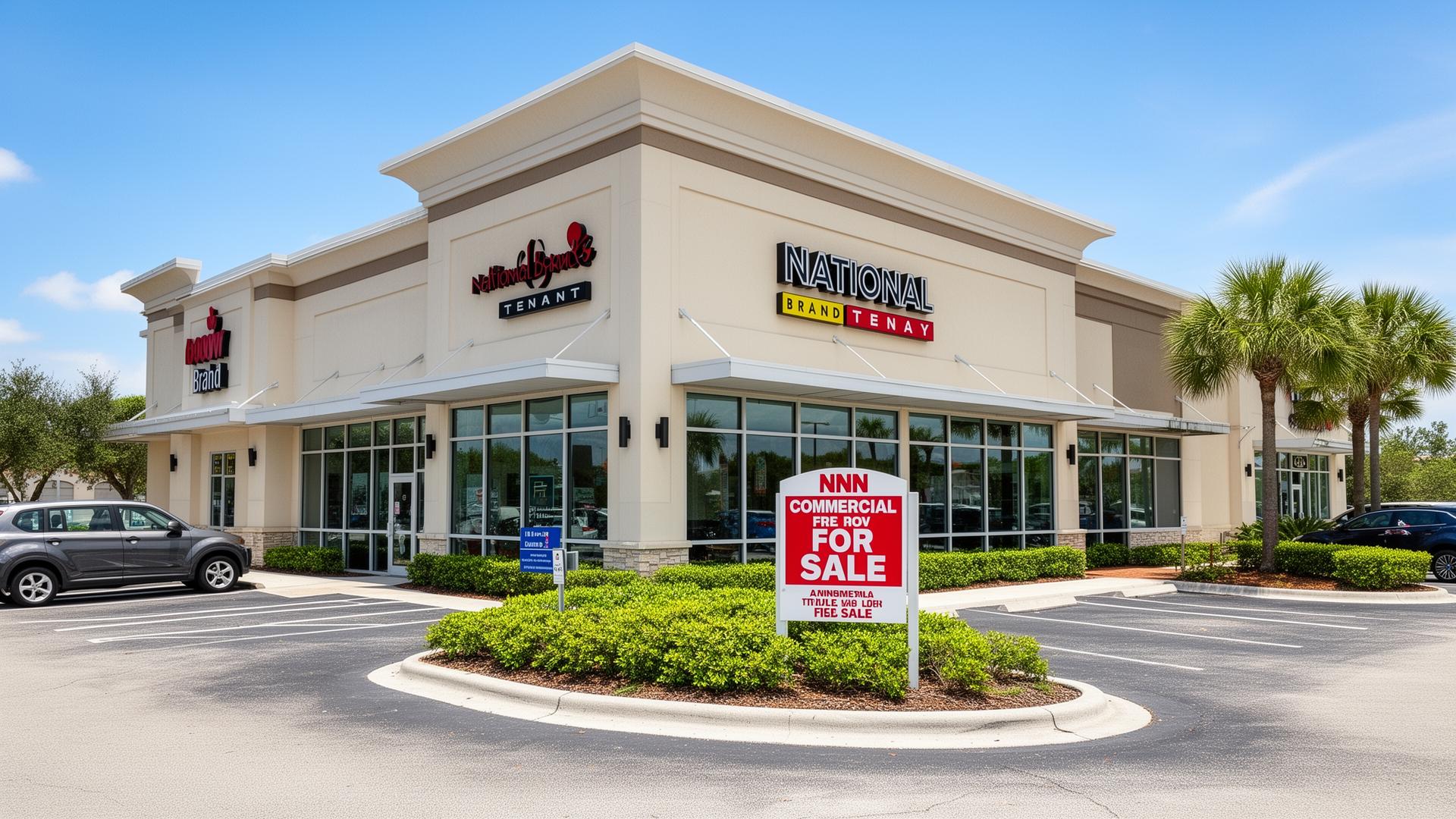
Understanding the NNN Disposition Market in Florida
Florida's NNN investment market has demand characteristics that can affect conditions for sellers:
- 1031 exchange capital: Investors considering exchanges may seek passive NNN assets in Florida
- Retirement and lifestyle buyers: Investors relocating to Florida seek low-management NNN income streams
- No state income tax: Florida's lack of personal income tax may be one consideration for investors
- Population growth: Tenant performance depends in part on local population and consumer spending
- Institutional demand: Portfolio buyer interest can influence demand for Florida NNN assets
The Florida Division of Corporations (Sunbiz) provides business registration information, while the Florida Department of Revenue provides information about Florida taxes. These factors can influence buyer demand and pricing for quality NNN properties in Florida. For exchange considerations, consult a qualified tax adviser and the IRS like-kind exchange guidance.
Optimal Timing for NNN Property Sales
NNN property value is heavily influenced by remaining lease term and tenant credit. Timing your disposition strategically can improve proceeds:
Sell when:
- 10+ years of lease term remaining (which may appeal to more buyers and support pricing)
- Tenant has recently signed a renewal, resetting the lease clock
- Interest rates are favorable, increasing buyer purchasing power
- 1031 exchange demand supports buyer interest
Consider holding when:
- Less than 5 years remaining (value may be discounted for re-leasing risk)
- Tenant credit has deteriorated (market may undervalue the property)
- Interest rates are rising rapidly (which may put pressure on pricing)
Remaining lease term and tenant credit can affect cap rates; review recent comparable sales and seek a broker opinion of value.
NNN Property Valuation for Sellers
NNN valuation is more straightforward than multi-tenant properties but requires precise tenant credit and lease analysis:
Valuation inputs:
- Annual net rent: Verified contractual rent amount
- Cap rate: Determined by tenant credit, remaining term, location, and market conditions
- Value = Net Rent ÷ Cap Rate
NNN cap rate considerations:
- Investment-grade, 15+ years: Review tenant credit and lease terms
- Investment-grade, 10–15 years: Compare recent sales with similar lease terms
- National credit, 5–10 years: Consider remaining term and renewal options
- Regional/franchisee, 5+ years: Review tenant financials and guaranties
Rent escalation structure also impacts value. Compare scheduled increases, flat rents, and CPI-based adjustments using recent comparable sales and a broker opinion of value.
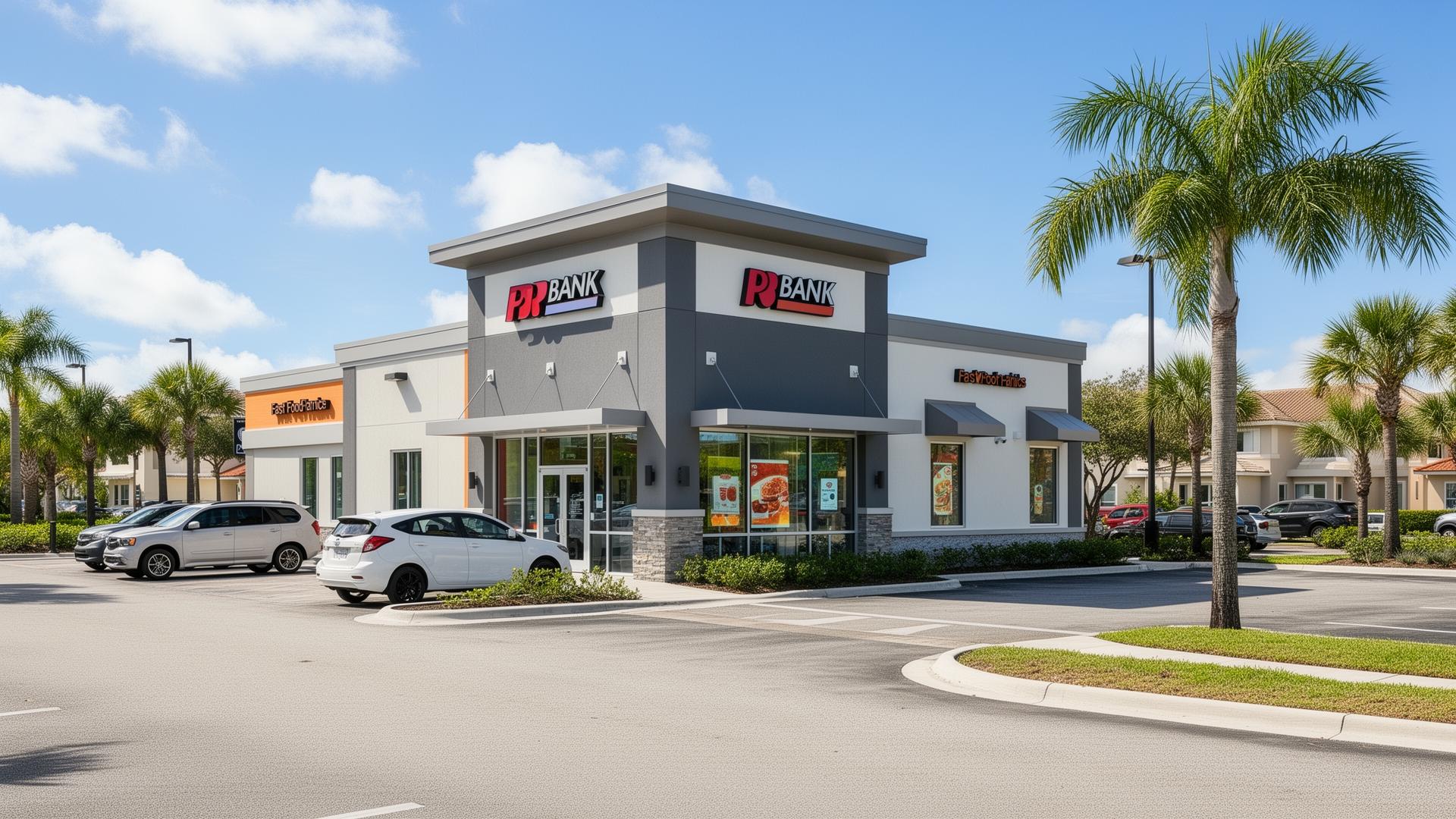
Marketing NNN Properties to 1031 Exchange Buyers
1031 exchange buyers can be a buyer segment for NNN properties in Florida. Consult a qualified tax adviser and review the IRS like-kind exchange guidance.
Why exchange buyers may be interested:
- Tight 45-day identification deadline creates urgency
- Potential tax deferral may influence pricing and purchase decisions
- Passive management appeal for retiring investors or estate planning
- Florida tax considerations may affect an investor's overall analysis
Targeting exchange buyers:
- List properties on specialized NNN platforms (The Boulder Group, Stan Johnson Company, Marcus & Millichap)
- Market through 1031 exchange intermediary referral networks
- Time listings to coincide with peak exchange activity periods
- Highlight lease term, tenant credit, and management simplicity
Experienced commercial real estate brokers maintain active relationships with 1031 exchange intermediaries and exchange buyer databases.
Lease Analysis and Estoppel Preparation
NNN lease documentation is central to the sale process. Prepare the following well in advance:
Lease package preparation:
- Complete executed lease with all amendments and modifications
- Rent escalation schedule showing future increases
- Renewal option terms and conditions
- Guarantor information and corporate structure documentation
- Maintenance and repair responsibility matrix
- Insurance and tax payment verification
Tenant estoppel certificate:
- Confirms current rent, lease term, and absence of defaults
- Required by most buyers and lenders before closing
- Allow 2–4 weeks for corporate tenants to process
- National tenants may have standard estoppel forms that differ from seller's template
Roof and Structural Considerations for NNN Sales
Despite NNN lease structures, building condition impacts sale pricing. The most common physical concern is roof condition:
- Roof reports: Obtain a current roof inspection report before listing. Buyers and lenders will require one.
- Roof responsibility: Verify whether the NNN lease assigns roof replacement to the tenant or landlord. Many NNN leases exclude roof and structure from tenant responsibility.
- Roof reserves: If the roof has limited remaining life, sellers may need to provide a credit or escrow for replacement.
- Structural assessments: Foundation, slab, and structural framing should be free of material defects.
New or recently replaced roofs may support pricing and reduce due diligence complications.
Off-Market vs. Marketed NNN Sales
The decision between marketing broadly and selling off-market involves trade-offs:
On-market (public marketing):
- Broader buyer exposure and potential competitive bidding
- Price discovery through multiple offers
- Pricing depends on buyer interest and property terms
- Longer timeline (3–5 months)
Off-market (direct sale):
- Greater discretion, subject to disclosure requirements
- Faster execution with known buyer
- Less disruption to property operations
- May limit price discovery without broad buyer exposure
For detailed analysis of these approaches, see our guide on off-market vs. public listing strategies.
Supreme CRE: NNN Disposition Advisory in Florida
Supreme Capital Commercial Real Estate Miami provides specialized NNN disposition services for property owners throughout Florida:
- Valuation based on tenant credit and lease analysis
- Targeted marketing to 1031 exchange buyers and NNN investors
- National platform distribution to reach potential buyers
- Lease and estoppel coordination
- Transaction management through closing
Whether selling a single NNN asset or a portfolio, our team supports the disposition process and outreach to potential buyers. Contact us or explore commercial property sales in Miami.
Related Resources
Frequently Asked Questions
When is the best time to sell a NNN property?
The selling window depends on remaining lease term, tenant credit, and how interest rates affect buyer purchasing power. Buyer demand may also depend on the timing of 1031 exchange transactions.
Recently renewed leases may appeal to buyers seeking longer-term income, depending on tenant credit and lease terms. As the remaining term shortens, buyers may account for re-leasing risk and potential vacancy when assessing pricing.
How is a NNN property valued?
NNN property value equals annual net rent divided by the applicable cap rate. For example, a property generating $100,000 in annual net rent at a 5.5% cap rate is valued at approximately $1.82 million. Cap rates are determined by tenant credit quality, remaining lease term, rent escalation structure, location quality, and prevailing market conditions.
Unlike multi-tenant properties where NOI verification requires extensive financial analysis, NNN valuation focuses on the lease, because the tenant pays the operating expenses the lease assigns to it. The primary value drivers are the tenant's ability to pay rent (credit quality) and the duration of that obligation (remaining lease term). Properties with scheduled rent escalations are valued on current-year rent, with growth reflected in the cap rate applied.
Do 1031 exchange buyers pay more for NNN properties?
Exchange buyers may value NNN properties differently depending on their objectives, available alternatives, and exchange deadlines. Missing applicable identification or closing deadlines can affect eligibility for tax deferral; consult a qualified tax adviser and the IRS like-kind exchange guidance.
Exchange deadlines can influence buyer demand and negotiations for NNN properties. Clean documentation and clear title can help buyers evaluate a property within their timelines.
What cap rate should I expect when selling my NNN property?
Investment-grade tenants with longer remaining lease terms may attract lower cap rates than tenants with shorter leases or limited credit. Review recent comparable sales and seek a broker opinion of value to assess pricing.
Your specific cap rate depends on the intersection of tenant credit, remaining term, rent escalation structure, building condition, and location quality. Properties in high-traffic locations with strong demographics and modern building specifications command tighter pricing within each credit tier.
Should I tell my NNN tenant I'm selling?
Lease requirements vary—most NNN leases do not require seller notification to tenants before listing. Off-market sales can limit disclosure during the process. On-market sales may involve buyer property tours that require tenant coordination, but this can often be managed with minimal disruption.
In most cases, waiting until the property is under contract before formally notifying the tenant is preferred. This prevents unnecessary tenant concern about ownership changes and potential lease renegotiation demands. Your commercial broker can advise on the optimal communication strategy based on your specific lease provisions and tenant relationship.
What if my NNN lease has less than 5 years remaining?
Short remaining lease terms can increase re-leasing and vacancy risk, affecting the cap rate and property value. The impact depends on the tenant, lease terms, property condition and comparable sales.
Consider proactively negotiating a lease extension with the tenant before listing. An extension may improve the property's marketability and value, depending on its terms and buyer demand. If the tenant is unwilling to extend, pricing should reflect the short remaining term with a clear narrative about the property's re-leasing potential and market rental rates.