
Selling an Office Building in Brickell
Published · Updated · 8 min read
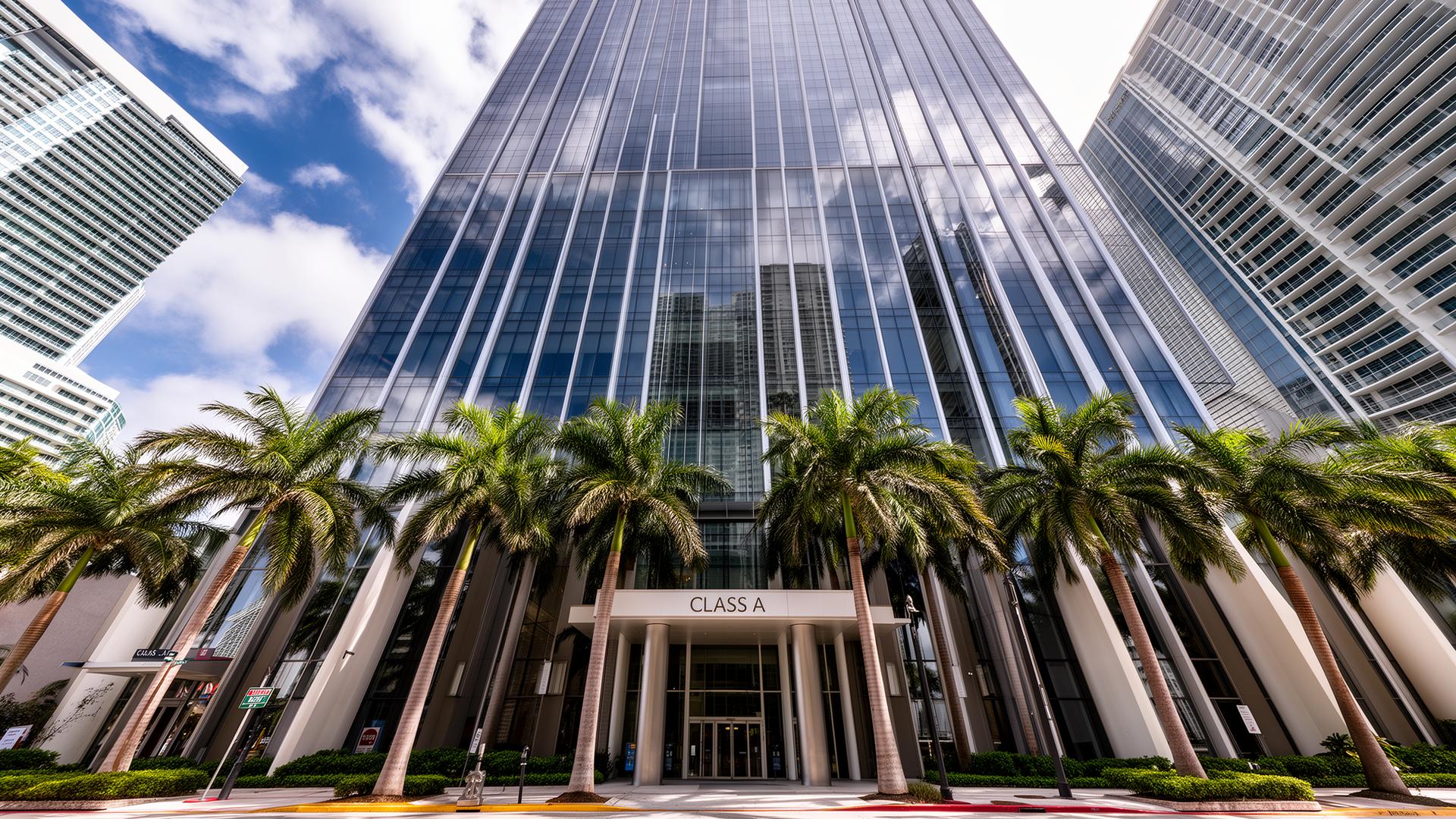
Selling an office building in Brickell—Miami's premier financial district—requires strategic positioning to capture premium valuations driven by corporate relocations, institutional investor demand, and the submarket's limited Class A inventory. Brickell office buildings that demonstrate strong occupancy, quality tenant rosters, and modern amenities command the tightest cap rates in South Florida's office market.
Brickell Office Market Conditions for Sellers
Brickell's role as a U.S. financial center can influence demand for office space:
- Corporate relocations: Decisions by financial firms, technology companies, and family offices to establish Miami offices can affect demand
- Occupancy: Review occupancy and tenant preferences for buildings with modern amenities
- Rental growth: Review recent comparable asking rents, lease terms, and property rent rolls
- Institutional interest: REIT and fund investment criteria can affect buyer demand for Miami offices
- New supply: Review planned and underway office developments when assessing future competition
The Miami Downtown Development Authority continues investing in infrastructure and public realm improvements that enhance Brickell's appeal to corporate tenants. Seller prospects for Brickell office buildings depend on market conditions, tenant rosters, and capital improvements. Sellers should also monitor Miami-Dade County economic data to time dispositions with market strength.
Office Building Valuation in Brickell
Office building valuation in Brickell depends on property condition, income, and comparable sales:
Valuation considerations:
- Class A: Review recent comparable sales and tenant leases.
- Class B: Assess building condition, rent rolls, and capital needs.
- Value-add/repositioning: Evaluate in-place NOI, renovation costs, and leasing prospects.
Key valuation factors:
- Weighted average lease term (WALT) and tenant credit quality
- In-place rents versus market rates (mark-to-market potential)
- Building age, systems condition, and recent capital improvements
- Amenity package quality (fitness, conferencing, outdoor space)
- Floor plate efficiency and ceiling heights
For comprehensive valuation methodology, review our office investment guide for Brickell and Coral Gables.
Pre-Sale Tenant and Lease Optimization
Office building value is heavily dependent on lease structure and tenant quality. Pre-sale optimization strategies include:
Lease-up vacant space:
- Build speculative suites to attract small tenants quickly
- Offer competitive concessions to fill large vacancies before listing
- Target high-credit tenants willing to sign long-term leases
Extend expiring leases:
- Proactively negotiate renewals with key tenants 12–18 months before expiration
- Secure lease extensions at or above market rates
- Minimize near-term rollover risk that concerns buyers
Improve tenant quality:
- Replace month-to-month or short-term tenants with committed lessees
- Prioritize tenants with corporate guarantees over personal guarantees
- Diversify tenant mix to reduce single-tenant concentration risk
Capital Improvements That Increase Sale Value
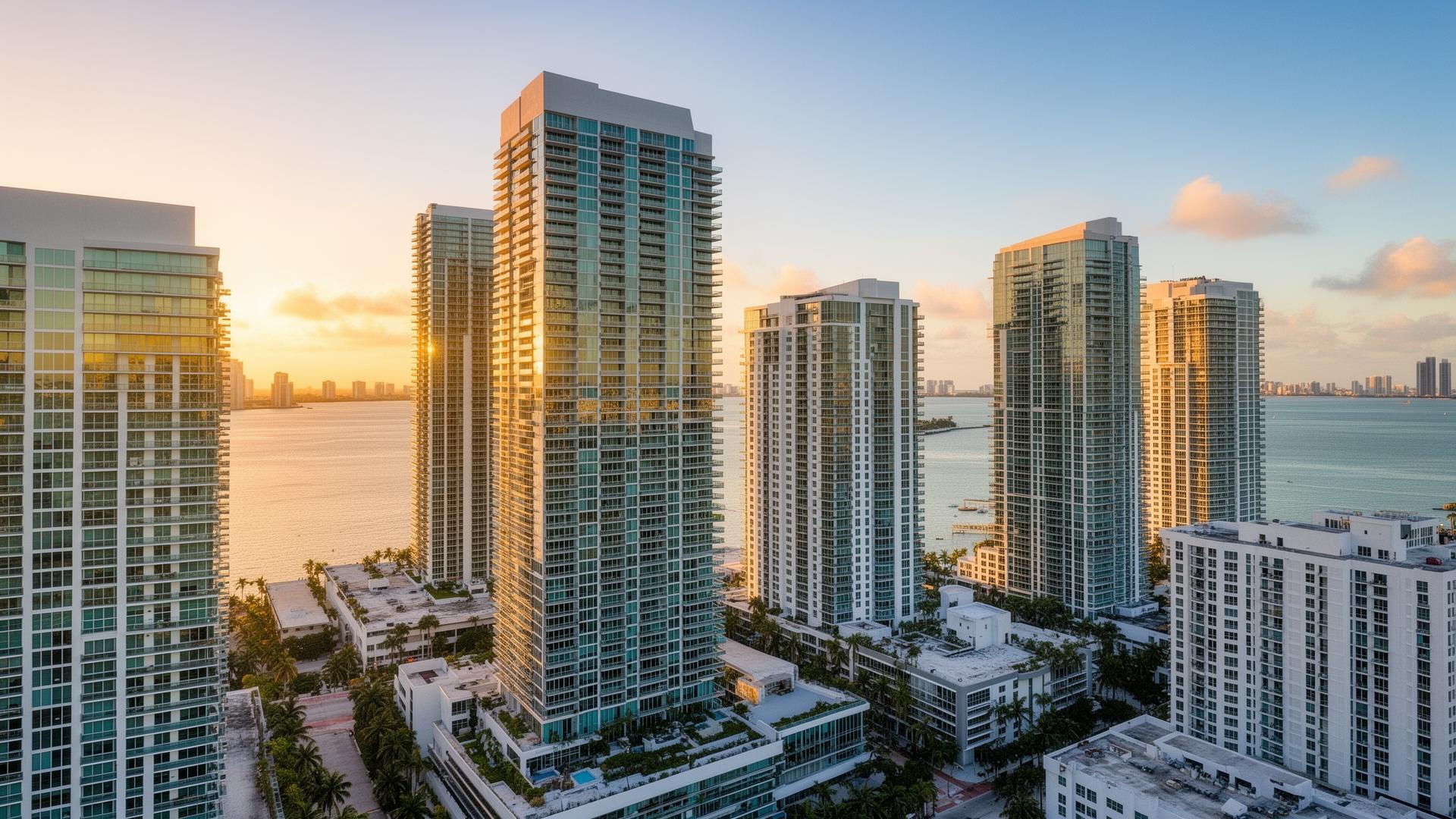
Strategic capital investments can significantly increase office building value by reducing buyer objections and enabling premium pricing:
High-ROI improvements:
- Lobby renovation: Modern, hospitality-inspired lobbies create strong first impressions and justify higher rents
- Common area upgrades: Updated corridors, restrooms, and elevator cabs signal quality
- Amenity additions: Fitness centers, conference rooms, and outdoor spaces are now expected in Class A buildings
- Technology upgrades: High-speed fiber connectivity, touchless access, and smart building systems
- Sustainability certifications: LEED and ENERGY STAR certifications attract ESG-conscious institutional buyers
Capital improvements should be completed and stabilized (reflected in higher rents and occupancy) well before marketing the property for sale.
Marketing to Institutional Office Buyers
Brickell office buildings attract institutional buyer interest that smaller properties in other submarkets do not. Marketing should be calibrated accordingly:
Target buyer profiles:
- Publicly traded and private REITs seeking Miami office exposure
- Institutional funds (pension, insurance, sovereign wealth)
- Private equity real estate funds with value-add mandates
- Foreign investors, particularly from Latin America and Europe
- High-net-worth individuals and family offices
Marketing approach:
- Institutional-quality offering memorandum with detailed financial modeling
- Targeted outreach to known active Brickell/Miami office buyers
- Organized property tours with tenant introduction protocol
- Best-and-final offer process to maximize competitive bidding
Professional representation from experienced brokers is essential for accessing institutional buyer networks.
Navigating the Due Diligence Process
Office building due diligence is more complex than other asset classes due to multi-tenant lease structures and building systems:
Buyer focus areas to prepare for:
- Lease audit: Every lease will be reviewed in detail—ensure all documents are organized and current
- Tenant interviews: Sophisticated buyers may request tenant meetings to assess satisfaction and renewal likelihood
- Building systems assessment: HVAC, elevator, life safety, and electrical systems will be inspected thoroughly
- Capital needs assessment: Buyers will estimate deferred maintenance and future capital requirements
- Operating expense analysis: Expense recovery mechanisms and management efficiency will be scrutinized
Proactive preparation of a virtual data room with organized documentation accelerates due diligence and demonstrates professional asset management.
Deal Structure Considerations for Office Dispositions
Office building transactions often involve complex deal structures that require experienced negotiation:
- Earnest money and deposits: Deposit amounts and when they become non-refundable are negotiated in each contract
- Due diligence period: negotiated based on property complexity and buyer needs
- Financing contingencies: Cash or pre-approved buyers preferred to minimize closing risk
- Tenant improvement obligations: Outstanding TI commitments may be prorated or credited at closing
- Leasing cost allocation: Commission obligations for in-process deals negotiated between buyer and seller
- Representations and warranties: Scope of seller representations affects post-closing liability exposure
Working with experienced transaction counsel and brokers protects seller interests throughout the negotiation and closing process.
Supreme CRE: Brickell Office Disposition Advisory
Supreme Capital Commercial Real Estate Miami provides specialized disposition services for office building owners in Brickell and Miami's urban core:
- Institutional-quality valuation and market positioning
- Pre-sale optimization and capital improvement advisory
- Targeted marketing to domestic and international institutional buyers
- Structured sale process management
- Negotiation, due diligence, and closing execution
Our deep expertise in Miami's commercial sales market ensures your Brickell office asset achieves its maximum potential value. Contact us to discuss your disposition strategy.
Related Resources
Frequently Asked Questions
What is my Brickell office building worth?
Brickell office values depend on building class, occupancy, tenant quality, and recent capital improvements. Review rent rolls, recent comparable sales, county property appraiser records, and a broker opinion of value to assess a building.
Valuation methodology combines income capitalization (stabilized NOI ÷ market cap rate), comparable sales analysis on a per-SF basis, and replacement cost analysis. Buildings with below-market rents and upcoming lease expirations may trade at values reflecting projected stabilized NOI rather than current in-place income, particularly with sophisticated institutional buyers.
What cap rates do Brickell office buildings sell at?
Class A and Class B office cap rates depend on tenant quality, lease terms, building condition, and comparable sales. Value-add opportunities may reflect vacancy or deferred maintenance and should be evaluated on in-place income.
Corporate relocations and office supply can influence cap rates. Sellers can review rent rolls and recent comparable sales to assess how renovations, tenant credit, and lease terms affect pricing.
How can I increase my office building's value before selling?
Focus on four key areas: lease-up of vacant space with quality tenants, proactive renewal of expiring leases at market rates, lobby and amenity improvements that justify premium rents, and sustainability certifications (LEED, ENERGY STAR) that attract ESG-conscious institutional buyers.
The most impactful strategy is reducing vacancy and extending weighted average lease term (WALT). Every point of occupancy improvement and every year of WALT extension directly reduces buyer-perceived risk and compresses applicable cap rates. Capital improvements should be completed and reflected in higher rents before listing.
Who buys office buildings in Brickell?
Primary buyers include publicly traded and private REITs seeking Miami office exposure, institutional funds (pension, insurance, sovereign wealth), private equity real estate firms with value-add mandates, foreign investors—particularly from Latin America and Europe—and high-net-worth individuals and family offices seeking trophy assets.
The diversity of buyer interest in Brickell office creates strong competitive dynamics during formal marketing processes. International buyers are particularly active due to Miami's gateway city status and favorable currency dynamics, while domestic institutional buyers view Miami office as a portfolio diversifier away from traditional gateway markets like New York and San Francisco.
How long does it take to sell an office building in Brickell?
Marketing to closing typically takes 4–8 months depending on building size, complexity, and whether a structured sale process or negotiated sale is pursued. Smaller buildings (under 50,000 SF) may close faster with private buyers, while larger institutional assets benefit from a formal marketing process that takes longer but generates higher pricing.
The timeline includes pre-marketing preparation (3–4 weeks), active marketing (6–8 weeks), best-and-final offer round (1–2 weeks), and due diligence through closing (45–90 days). Complex multi-tenant buildings with extensive lease documentation may require longer due diligence periods.
Should I address building systems issues before selling?
Yes. Unresolved HVAC, elevator, or life safety issues create significant buyer objections and price reductions that typically exceed the cost of proactive repair. Building systems concerns are among the most common reasons buyers renegotiate pricing during due diligence.
Proactive repair or replacement demonstrates responsible asset management, reduces buyer risk perception, and supports premium pricing. At minimum, sellers should obtain current maintenance records and inspection reports for all major building systems to demonstrate ongoing care and identify any issues requiring attention before marketing.