
Selling a Retail Strip Center in Miami
Published · Updated · 7 min read
Selling a retail strip center in Miami requires strategic tenant optimization, accurate pricing, and targeted marketing to attract the right buyer profile. Miami's dense population, strong consumer spending, and limited retail supply support premium valuations for well-tenanted neighborhood strip centers with necessity-based anchor tenants.
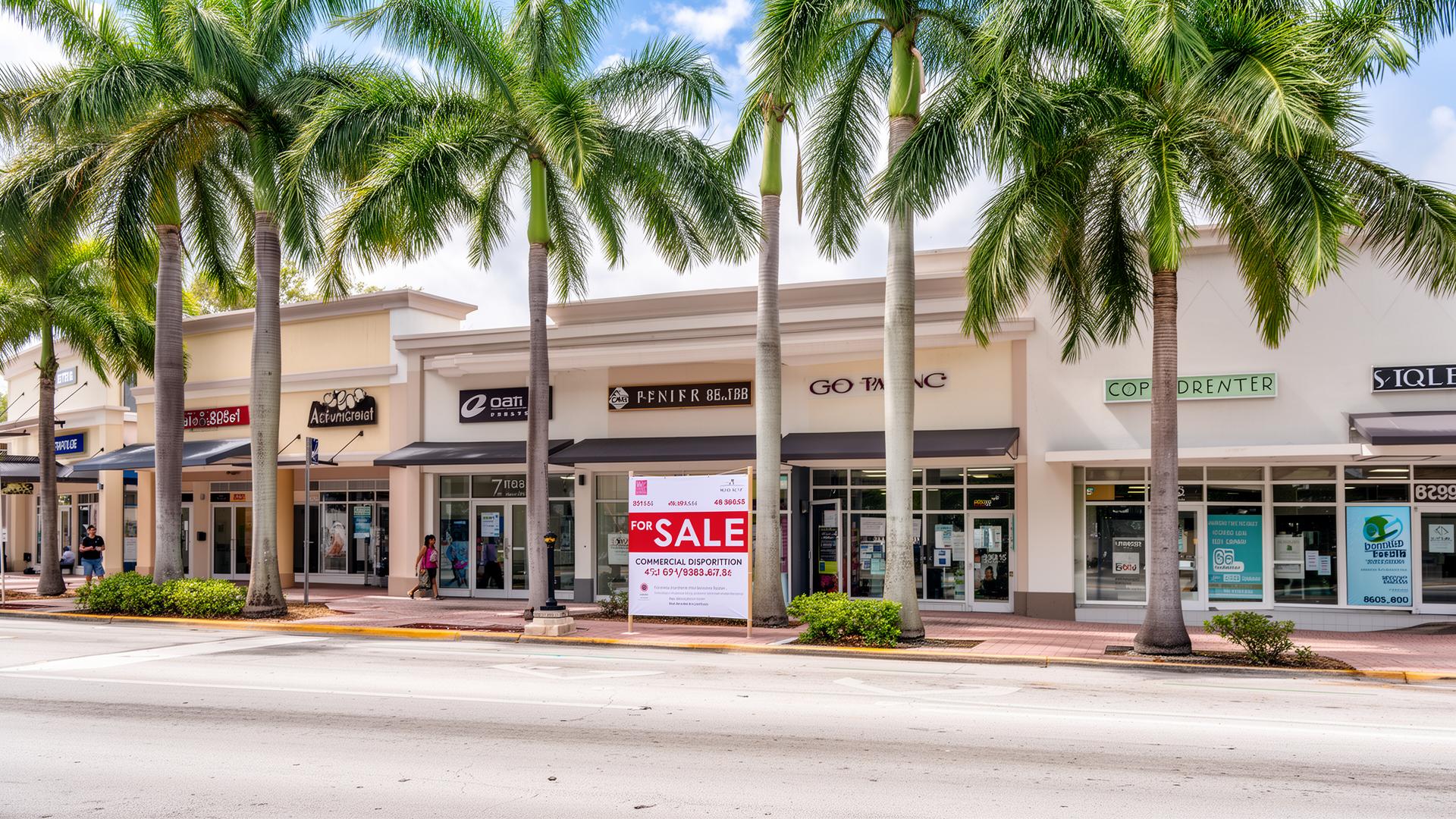
Miami's Retail Strip Center Market: Seller Conditions
Several factors influence conditions for Miami strip center sellers:
- Vacancy rates: Review current availability and comparable properties across Miami-Dade
- Rent trends: Review rent rolls and recent comparable leases in the trade area
- E-commerce resilience: Necessity-based tenants (food, medical, services) are resistant to online competition
- Population density: Miami's dense demographics support neighborhood retail demand
- Investor appetite: Strip centers offer accessible entry points for 1031 exchange buyers and private investors
Understanding current commercial retail space investment dynamics helps sellers position their properties effectively.
Optimizing Tenant Mix Before Sale
Tenant mix quality is the primary value driver for strip centers. Before listing, evaluate and optimize your tenant roster:
High-value tenant characteristics:
- Necessity-based businesses (grocery, pharmacy, medical, dental)
- Long remaining lease terms with annual escalations
- NNN lease structures minimizing landlord obligations
- National or strong regional credit tenants
- Businesses with proven operating history at the location
Pre-sale leasing strategies:
- Fill vacant units with quality tenants before listing
- Extend expiring leases at market rates
- Replace underperforming tenants with stronger operators
- Convert gross leases to NNN structures at renewal
A stabilized, well-diversified tenant mix commands the tightest cap rates and strongest buyer interest.
Pricing Strategy for Strip Center Dispositions
Pricing a strip center requires balancing current income, market comparables, and buyer return expectations:
Strip center cap rate considerations:
- Anchored (credit tenants, 7+ years remaining): Review tenant credit and remaining lease terms
- Unanchored (diverse mix, stable occupancy): Review tenant mix and occupancy history
- Value-add (vacancy or below-market rents): Assess leasing costs and potential rental upside
Price per square foot depends on location, tenant quality, and building condition; review recent comparable sales and county property appraiser records. For detailed valuation methodology, refer to our cap rate analysis guide.
Pricing recommendations:
- Price at or slightly below market to generate competitive interest
- Provide proforma showing upside potential for below-market rents
- Highlight location fundamentals (traffic counts, demographics, visibility)
- Document historical rent growth and occupancy stability
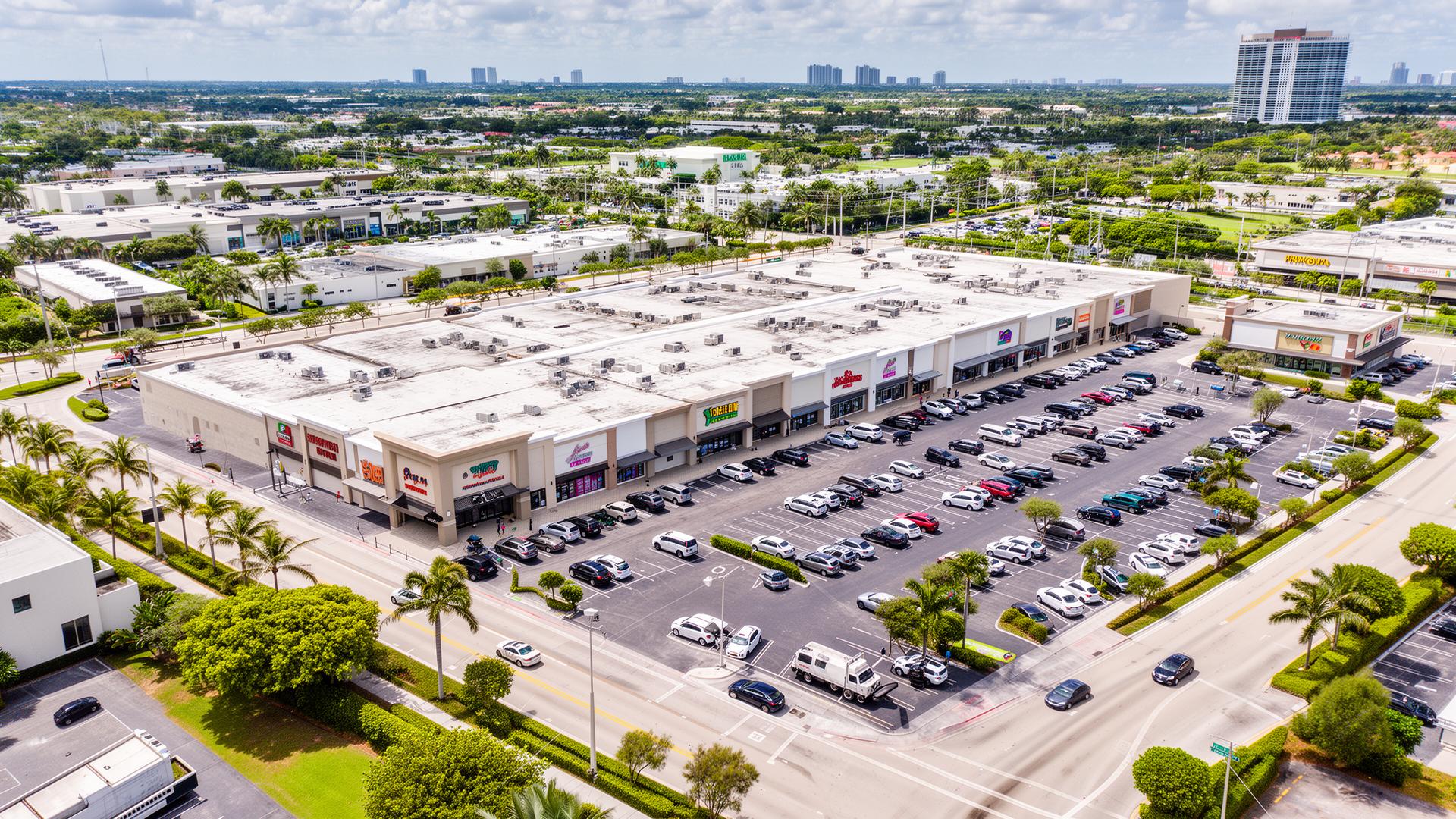
Marketing and Buyer Targeting
Strip center marketing should target buyer profiles most likely to pay premium prices:
Primary buyer profiles:
- 1031 exchange investors: Buyers who may seek clean NNN assets and face tight timelines. Consult a qualified tax adviser and see the IRS like-kind exchange guidance.
- Private investors: High-net-worth individuals seeking stable cash flow from neighborhood retail
- Family offices: Multi-generational wealth seeking diversified commercial portfolios
- Syndicators: Groups aggregating investor capital for strip center acquisitions
Marketing materials needed:
- Professional offering memorandum with investment analysis
- Rent roll, T-12, and 3-year financial history
- Traffic count data and demographic analysis
- Professional photography and aerial imagery
Experienced commercial real estate brokers can help sellers reach buyer networks.
Due Diligence Issues Common in Strip Center Sales
Anticipate and address common buyer due diligence concerns before they become negotiation leverage:
- Roof condition: Flat roofs on strip centers are a frequent concern. Obtain a current roof report and address any issues pre-sale.
- Parking adequacy: Verify parking ratios meet code requirements (typically 4–5 spaces per 1,000 SF)
- ADA compliance: Ensure accessible entrances, restrooms, and parking are current with code
- Environmental concerns: Properties with dry cleaners, auto service, or gas stations require Phase I and potentially Phase II assessments
- Co-tenancy clauses: Review leases for clauses that allow rent reductions if anchor tenants vacate
- Deferred maintenance: HVAC systems, signage, and parking lot condition frequently trigger repair requests
The Miami-Dade County Zoning Department can verify parking and use compliance, while the Miami-Dade Property Appraiser provides assessed value data useful for tax projection during buyer underwriting. Proactively addressing these items before listing reduces negotiation exposure and speeds the closing process.
Lease Audit and Estoppel Preparation
Lease documentation is critical for retail strip center sales. Prepare thoroughly:
Lease audit checklist:
- Verify all lease terms match rent roll data
- Confirm expense recovery provisions (NNN, modified gross, gross)
- Identify all renewal options and termination rights
- Review exclusive use clauses and co-tenancy provisions
- Verify all lease amendments and assignments are documented
- Confirm insurance and indemnification requirements
Estoppel certificates:
- Prepare tenant estoppel forms early—allow 30+ days for tenant response
- Estoppels confirm rent amounts, lease terms, and absence of landlord defaults
- Unresponsive tenants can delay or complicate closings
Tax Planning for Strip Center Sellers
Strategic tax planning can significantly impact net proceeds from a strip center sale:
- 1031 exchange: A qualifying exchange may defer recognition of gain when reinvesting in like-kind real estate; see IRS like-kind exchange guidance. Consider exchanging into NNN properties for more passive management.
- Installment sale: Seller financing may allow gain recognition to be spread over multiple tax years
- Cost segregation recapture planning: If accelerated depreciation was claimed, consider its potential effect on recapture taxes
- Charitable strategies: Donating appreciated property or using charitable remainder trusts
- Estate planning: Basis adjustments at death may affect heirs' capital gains, depending on the circumstances and applicable law
Consult a qualified tax adviser early in the disposition process to evaluate tax strategies before closing.
Supreme CRE: Retail Disposition Advisory
Supreme Capital Commercial Real Estate Miami provides expert disposition services for retail strip center owners across Miami-Dade County:
- Comprehensive property valuation and pricing strategy
- Tenant mix analysis and pre-sale optimization advisory
- Professional marketing and institutional buyer access
- Lease audit and estoppel coordination
- Negotiation, due diligence, and closing management
Our deep understanding of Miami's commercial property sales market ensures your retail asset achieves maximum value. Contact us to discuss your disposition objectives.
Related Resources
Frequently Asked Questions
What is my strip center worth in Miami?
Strip center values depend on NOI, cap rate, location, and tenant quality. Tenant credit, remaining lease terms, and the tenant mix affect cap rates. Review recent comparable sales, county property appraiser records, and rent rolls to assess price per square foot and cap rates.
Valuation is driven primarily by the income capitalization approach (NOI ÷ cap rate), supplemented by comparable sales analysis on a per-SF basis. Properties with below-market rents and near-term lease expirations may command lower in-place cap rates from sophisticated buyers who recognize the mark-to-market upside potential.
How do I maximize the sale price of my strip center?
Optimize tenant mix by filling vacancies with quality necessity-based tenants, mark below-market rents to current levels at lease renewal, address visible deferred maintenance (roof, parking lot, signage), and engage experienced commercial brokers who can create competitive bidding among targeted buyer pools.
The most impactful pre-sale action is improving occupancy where practical, with tenants on NNN leases with annual escalations. Reducing vacancy and improving NOI can increase property value, depending on costs and the capitalization rate. Begin these optimizations 6–12 months before your target listing date.
What tenant types increase strip center value?
Necessity-based tenants—grocery stores, pharmacies, medical and dental offices, urgent care centers—on long-term NNN leases with annual escalations can support valuations, depending on lease terms and tenant credit. Some of these services depend on in-person visits, though exposure to e-commerce varies.
National credit tenants with corporate guarantees can support income stability and buyer demand, depending on the guarantor's financial strength and lease terms. Service-oriented businesses like hair salons, fitness studios, and restaurants also contribute positively to tenant mix diversity, provided they have proven operating histories and multi-year lease commitments at the location.
Should I fill vacancies before selling?
Yes, in most cases. Stabilized centers with strong occupancy may attract more buyer interest than partially vacant properties. Buyers may value proven income streams and lower lease-up risk.
The exception is when market rents significantly exceed existing lease rates—strategic vacancy can allow buyers to capture mark-to-market upside by leasing at current market rates. In these cases, sellers should present a proforma showing achievable rents for vacant suites alongside comparable lease data to support the pricing.
What are common deal-killers in strip center sales?
Roof failures requiring full replacement, environmental contamination from dry cleaners or auto service tenants, ADA non-compliance requiring costly remediation, co-tenancy clause triggers that allow rent reductions when anchor tenants vacate, and unresolvable title issues are the most common transaction failures.
Proactive assessment mitigates nearly all of these risks. Obtaining current roof reports, Phase I environmental assessments, and ADA compliance reviews before listing—and addressing identified issues—eliminates the most common sources of buyer renegotiation and contract termination.
How long does it take to sell a strip center?
The typical timeline from listing to closing is 4–6 months, broken into pre-marketing preparation (2–3 weeks), active marketing (4–6 weeks), offer negotiation and best-and-final (1–2 weeks), and contract to closing (30–60 days).
Properties with clean financial records, stable tenancy, realistic pricing, and proactive due diligence preparation sell fastest. Overpriced properties or those with significant deferred maintenance may sit on market considerably longer, eroding buyer confidence and negotiating leverage over time.