
Downtown Miami Office Market Analysis
Published · Updated · 7 min read
Downtown Miami's office market is undergoing a significant transformation, driven by corporate relocations, mixed-use development, and infrastructure improvements including Brightline high-speed rail. Class A office rents have reached historic highs while vacancy rates remain below the national average. This analysis examines submarket performance, tenant demand drivers, and investment outlook for Downtown Miami's commercial office sector.
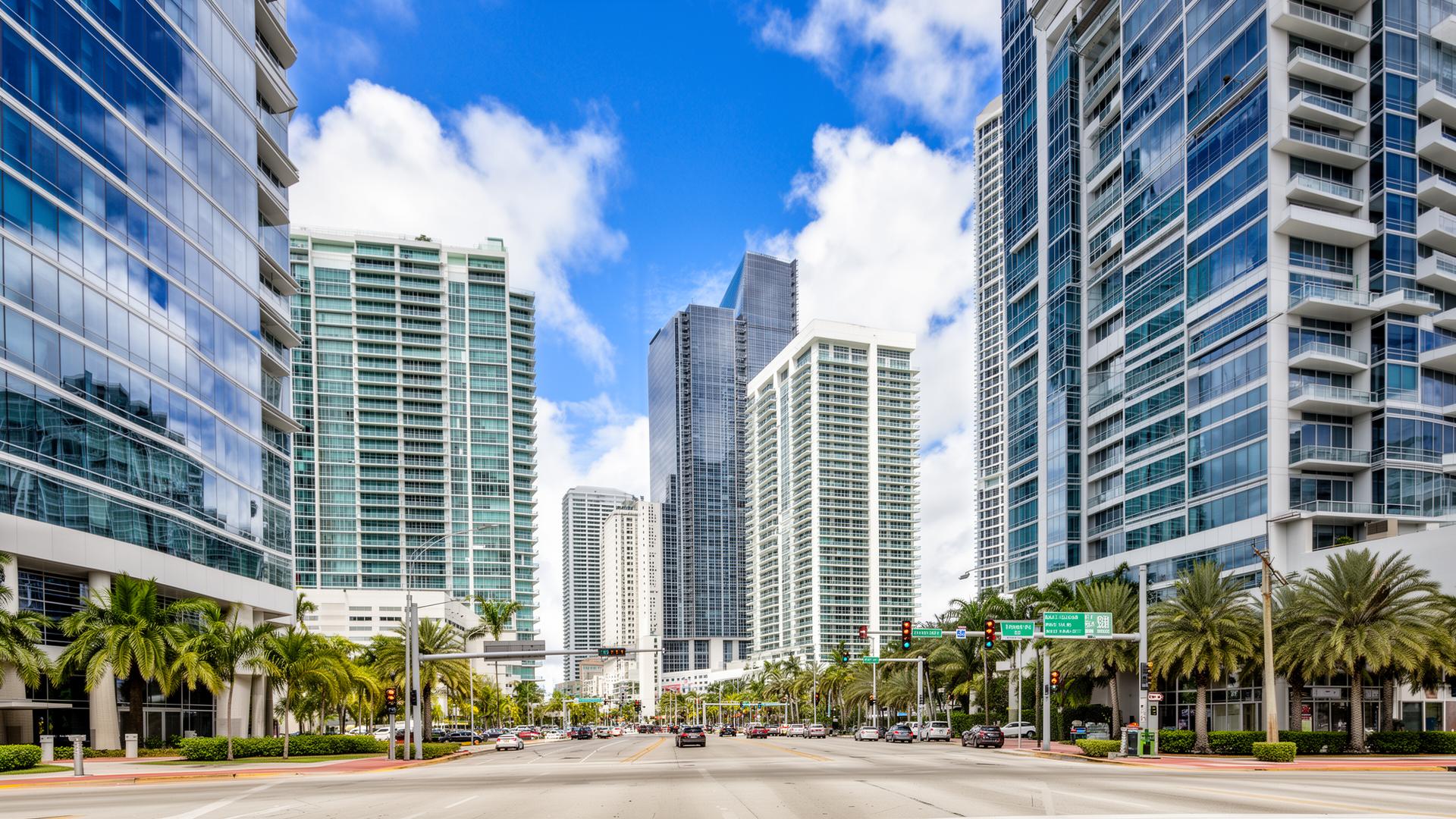
Downtown Miami Office Market Overview
Downtown Miami encompasses the central business district, including the areas surrounding Flagler Street, Biscayne Boulevard, and the Miami Worldcenter development. New development, transit connectivity, and revitalization initiatives are factors to consider when evaluating the submarket.
Market data to gather:
- Total office inventory and recent development activity
- Class A vacancy and available space
- Class B vacancy and available space
- Class A asking rents, lease terms, and comparable leases
- Class B asking rents, lease terms, and comparable leases
Compare vacancy, pricing, lease terms, and development activity with Brickell to assess opportunities for tenants and investors.
Key Demand Drivers for Downtown Miami Office Space
Several factors are driving renewed interest in Downtown Miami office space:
Brightline High-Speed Rail
MiamiCentral station connects Downtown directly to Fort Lauderdale, West Palm Beach, and Orlando, providing a transit option for office tenants. This connectivity attracts companies with multi-city operations and employees commuting from Broward and Palm Beach counties.
Miami Worldcenter
The 27-acre mixed-use development is transforming Downtown's eastern core, adding residential, retail, hospitality, and office components that create a live-work-play environment attractive to modern employers.
Government and Institutional Presence
Downtown Miami hosts Miami-Dade County government offices, the federal courthouse, and numerous law firms, creating a stable base of office demand supplemented by private-sector growth.
Affordability Relative to Brickell
To compare Downtown and Brickell office costs, review current comparable rents, building amenities, concessions, and lease terms. For leasing options across Miami, explore commercial real estate for lease.
Major Office Developments and Pipeline
Downtown Miami's development pipeline reflects growing confidence in the submarket:
- Miami Worldcenter office components: Class A office space integrated within the mixed-use megaproject
- Adaptive reuse projects: Conversion of older office buildings to modern creative and tech-oriented spaces
- Government Center area: Planned redevelopment around the Metrorail/Metromover hub
- Waterfront projects: Office components within mixed-use developments along Biscayne Bay
The development pipeline is measured relative to Brickell, with fewer speculative office projects and more mixed-use configurations that reduce single-use risk. This disciplined supply approach supports healthy occupancy and rent growth for existing properties.
For comprehensive market intelligence across all Miami submarkets, see our Miami market trends and forecast analysis.
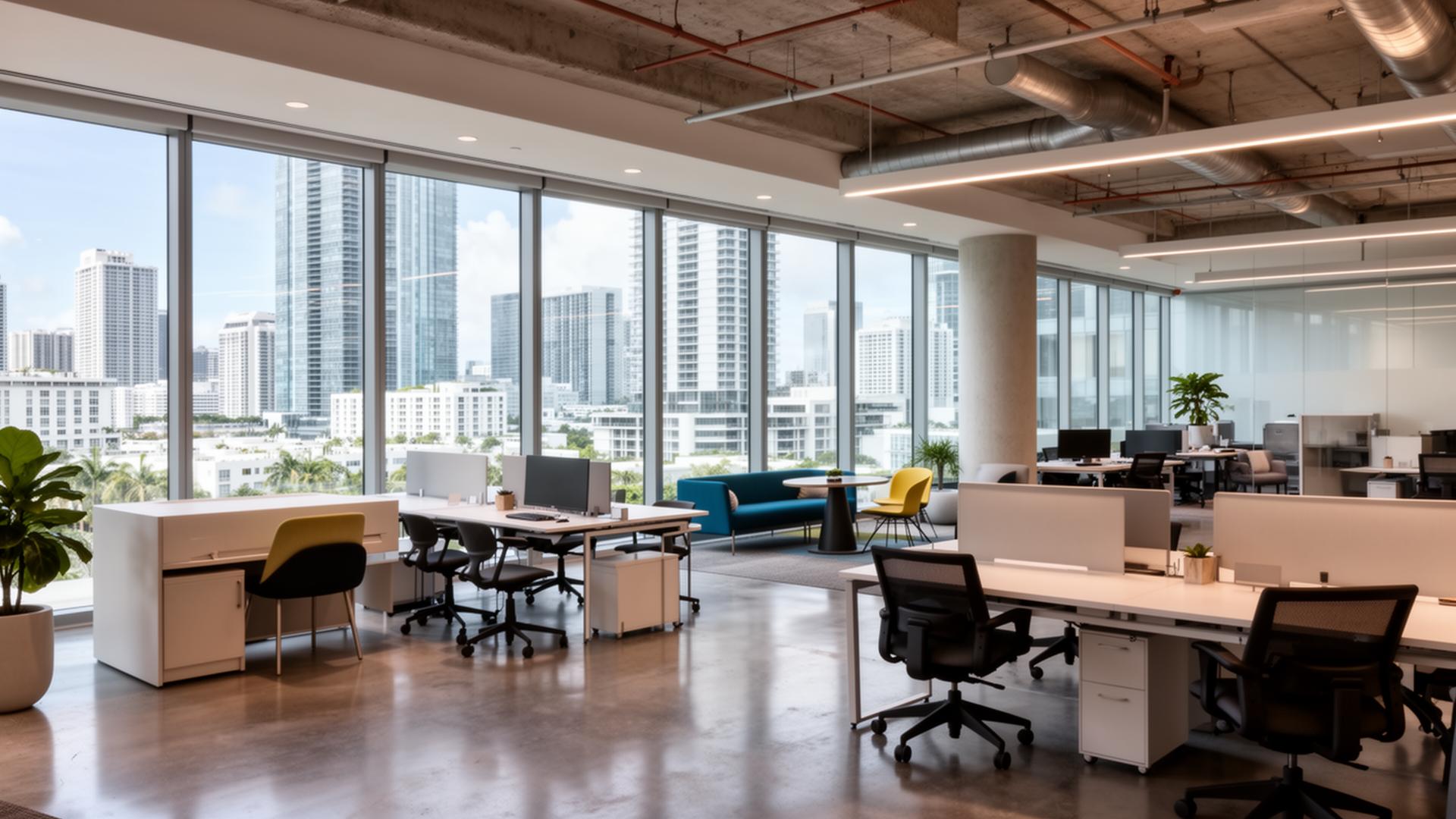
Tenant Mix and Industry Concentration
Downtown Miami's tenant base has diversified significantly, reducing historical dependence on government and legal tenants:
Key tenant industries:
- Legal services: Proximity to courts maintains strong demand from law firms
- Financial services: Growing presence of fintech companies and traditional financial firms
- Technology: Startups and established tech companies attracted by MiamiCentral connectivity
- Healthcare: Medical office and health-tech companies expanding in the submarket
- Creative industries: Marketing, design, and media companies seeking character space
- Government: County, state, and federal offices providing stable base demand
This diversification reduces submarket risk and creates a more resilient demand profile. Companies considering Downtown Miami should evaluate options alongside Coral Gables and Wynwood to find the best fit.
Investment Analysis: Downtown Miami Office
Downtown Miami office properties present distinct investment opportunities compared to other Miami submarkets:
Value proposition:
- Cap rates and current income depend on price and net operating income; review rent rolls and recent comparable sales
- Potential for rent growth as the submarket repositions
- Value-add opportunities through renovation and repositioning of older office buildings
- Mixed-use conversion potential for properties in qualifying locations
Investment risks:
- Vacancy varies by property; review occupancy and comparable properties
- Older building stock requiring capital investment
- Competition from new Class A supply in Brickell
- Street-level safety perceptions affecting tenant recruitment
For investors with a 5–10 year horizon, potential returns depend on factors including infrastructure investment, new development, and transit connectivity. Explore investment opportunities through our commercial property for sale services.
Outlook for Downtown Miami Commercial Real Estate
Factors to watch in Downtown Miami commercial real estate include:
Development and accessibility:
- Miami Worldcenter development phases and their effects on foot traffic and amenities
- Brightline ridership and its effects on transit accessibility
- Restaurant and retail openings and their effects on live-work-play appeal
Other factors to watch:
- Potential Metrorail improvements expanding transit network
- Government Center redevelopment plans and potential mixed-use inventory
- Rent differences between Downtown and Brickell and the factors influencing them
- Institutional investor interest and submarket development
For personalized advisory on Downtown Miami commercial real estate, contact Supreme Capital Commercial Real Estate Miami. Visit our Downtown Miami commercial real estate page for additional submarket information. The Miami Downtown Development Authority provides economic data and development updates for the submarket.
Related Resources
Frequently Asked Questions
What is the average office rent in Downtown Miami?
Downtown office rents vary by building class, location, amenities, and lease terms. Compare recent Downtown and Brickell leases, including concessions and operating expenses, to assess costs.
Infrastructure improvements, new development, and tenant demand can affect Downtown's competitive positioning relative to Brickell. Tenants considering long-term leases should review rent escalations and renewal options alongside recent comparable leases.
How does Downtown Miami compare to Brickell for office space?
Downtown's office market is influenced by Brightline rail connectivity, Miami Worldcenter development, and revitalization initiatives. Brickell is associated with financial services and institutional tenants.
Tenants can compare asking rents, available space, transit connectivity, and building amenities in both submarkets. Infrastructure and amenity improvements may influence how the submarkets compare over time.
What is driving office demand in Downtown Miami?
Brightline high-speed rail connectivity (linking Downtown directly to Fort Lauderdale, West Palm Beach, and Orlando), Miami Worldcenter's mixed-use development creating a live-work-play environment, government and institutional presence providing stable base demand, and affordability relative to Brickell attracting cost-conscious tenants.
The convergence of these demand drivers is creating a positive cycle: infrastructure improvements attract tenants, tenant demand supports new development, and new development improves the submarket's appeal to additional tenants. This flywheel effect suggests accelerating improvement in Downtown's office fundamentals over the next several years.
Is Downtown Miami office a good investment?
Compare Downtown Miami and Brickell using recent comparable sales, rent rolls, property condition, and a broker opinion of value to assess cap rates and value-add potential. Investors with a 5–10 year horizon should evaluate infrastructure investments, development activity, and tenant demand when assessing potential performance.
Investors should compare Downtown's rent and occupancy metrics with Brickell's and assess whether any anticipated convergence is supported by current data. Value-add strategies—renovating and repositioning older buildings to modern standards—require careful assessment of costs, leasing demand, and potential returns.
What industries are major office tenants in Downtown Miami?
Key industries include legal services (driven by courthouse proximity), financial services (fintech and traditional firms), technology (startups attracted by MiamiCentral connectivity), healthcare (medical office and health-tech), creative industries (marketing, design, media), and government (county, state, and federal offices).
This industry diversification is a positive structural development—Downtown's historical dependence on government and legal tenants has given way to a more balanced tenant mix that reduces submarket risk and creates a more resilient demand profile. The growing tech and creative presence particularly signals Downtown's evolution toward a modern mixed-use submarket.