
Doral Industrial Absorption & Logistics Demand
Published · Updated · 8 min read
Doral is an industrial and logistics hub in Miami-Dade County. The submarket benefits from strategic proximity to Miami International Airport, major highway infrastructure, and a deep labor pool. Assess demand using recent absorption, vacancy, new supply, rent rolls, and comparable leases.
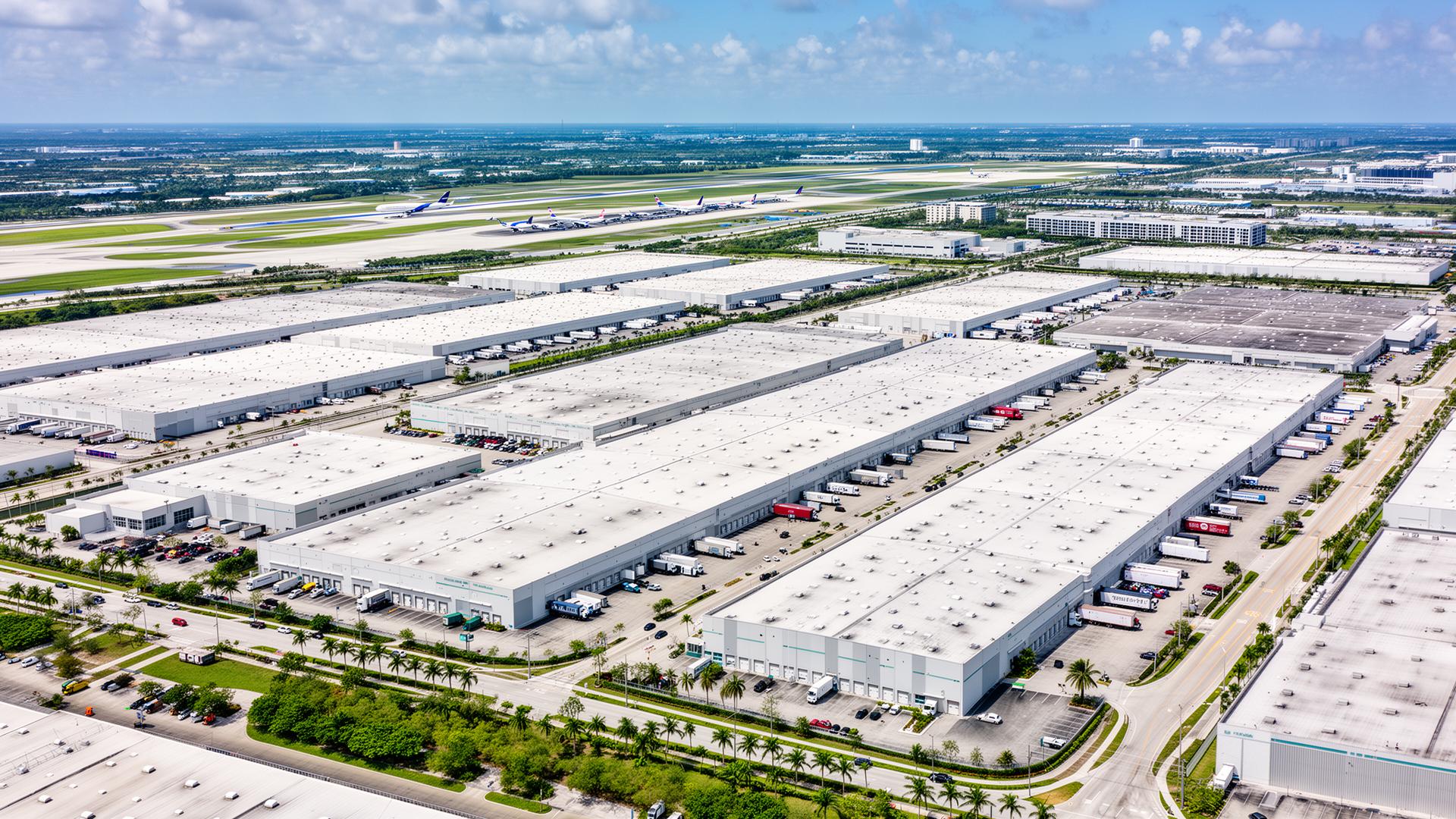
Doral's Strategic Position in Miami's Logistics Network
Definition: Industrial absorption refers to the net change in occupied industrial space over a given period, calculated as total space leased or purchased minus total space vacated. Positive absorption indicates growing demand.
Doral's industrial dominance stems from its unmatched logistics infrastructure:
- Airport proximity: Adjacent to Miami International Airport (MIA), the largest international freight airport in the U.S.
- Highway access: Direct connections to Florida Turnpike, SR 826 (Palmetto Expressway), and SR 836 (Dolphin Expressway)
- Port connectivity: Road access to PortMiami, the closest deep-water port to the Panama Canal
- Labor pool: Access to Miami-Dade's labor market
This infrastructure combination makes Doral a location worth evaluating for companies requiring air-to-ground freight transfer, international trade processing, and last-mile distribution. The Miami International Airport handles the largest volume of international freight of any U.S. airport. For comprehensive information on the submarket, visit our Doral commercial real estate page.
Industrial Absorption Trends in Doral
Net absorption measures changes in occupied industrial space and helps assess demand relative to new supply:
Recent absorption data:
- Annual net absorption: review changes in occupied space using reliable market data
- New construction deliveries: compare completed space with demand
- Supply-demand gap: assess whether absorption is keeping pace with deliveries
- Vacancy rate: verify current availability and compare it with recent periods
Industrial rents depend on demand, available space, property condition and lease terms. Review recent comparable leases and rent rolls when underwriting a property.
For investors analyzing industrial acquisition opportunities, understanding absorption trends is fundamental to underwriting. See our guide on industrial and warehouse investment in Doral.
Key Demand Drivers for Doral Industrial Space
Several structural and cyclical factors drive persistent industrial demand in Doral:
E-Commerce and Last-Mile Logistics
Online retail penetration continues to grow, requiring distribution centers positioned within 30 minutes of major population centers. Doral's central location serves all of Miami-Dade County efficiently.
International Trade and Nearshoring
As companies shift supply chains from Asia to Latin America (nearshoring), Miami serves as the primary gateway for goods entering the U.S. Doral's proximity to MIA and PortMiami makes it the natural distribution point for these flows.
Cold Storage and Perishables
Miami is a major entry point for fresh produce, seafood, and flowers from Latin America. Cold storage rents depend on factors such as temperature controls and facility specifications; review recent comparable leases when evaluating space.
Pharmaceutical Distribution
Miami's pharmaceutical logistics sector includes Doral operations for climate-controlled medication storage and distribution throughout the southeastern U.S.
Data Centers
Emerging demand for data center space in the Blue Lagoon/MIA corridor reflects Miami's growing role as a technology hub and submarine cable landing point for internet connectivity to Latin America.
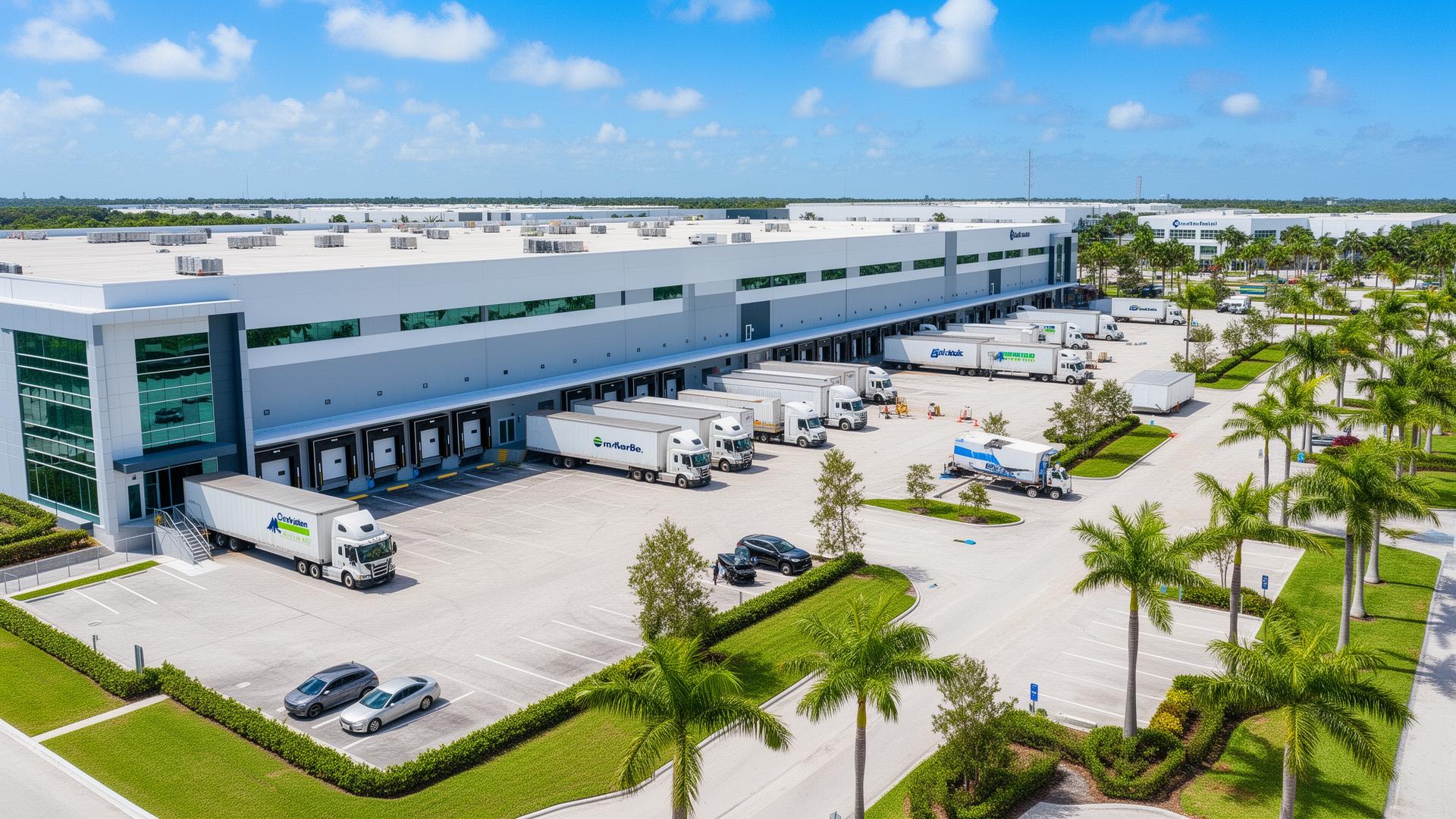
Warehouse Types and Specifications in Demand
Not all industrial space is created equal. Doral's market demands increasingly sophisticated specifications:
- Modern distribution (Class A): 28–36' clear height, cross-dock configuration, ESFR sprinklers, 50'×52' column spacing, ample trailer parking
- Last-mile delivery: 20,000–50,000 SF facilities with high dock counts and van parking
- Cold storage: Temperature-controlled facilities ranging from -20°F to 55°F with heavy power infrastructure
- Flex/light industrial: 5,000–15,000 SF units combining office and warehouse space for small businesses
- Air cargo facilities: Specialized properties with direct airfield access or proximity to MIA cargo operations
Class A modern distribution commands the highest rents and tightest vacancy. Older Class B/C properties with lower clear heights and limited loading represent value-add opportunities for investors. For investment analysis on industrial properties, see our guide on underwriting commercial acquisitions.
Rental Rate Analysis and Projections
Doral industrial rents depend on property features, location, and current supply and demand.
Rental rate analysis (NNN):
- Class A modern distribution: compare recent leases for similar buildings
- Class B distribution: account for building condition and location
- Flex/light industrial: consider unit size and permitted uses
- Cold storage: assess refrigeration capacity and operating requirements
- Outdoor storage/yard: review zoning, access, and site improvements
Rent factors to watch:
- New supply and demand for industrial space
- Recent comparable leases and rent rolls
- Construction costs and financing conditions
Replacement costs can influence rents by affecting whether new construction is economically justified.
Investment Opportunities in Doral Industrial
The Doral industrial market presents several investment strategies for different risk/return profiles:
Core investments:
- Stabilized Class A distribution centers with long-term credit tenants
- Cap rates: Review recent comparable sales and property income
- Target returns: Assess financing terms, expenses, reserves and projected cash flow
Value-add investments:
- Class B properties with below-market rents or near-term lease rollovers
- Cap rates: Review comparable sales and property condition
- Target returns: Assess renovation costs, lease-up assumptions and financing terms
Development:
- Ground-up construction on remaining vacant land parcels
- Development yields: Assess projected income against land, construction and financing costs
- Risk: Construction cost escalation and entitlement timelines
For commercial brokerage guidance on Doral industrial properties, explore our commercial property investment services. Supreme Capital Commercial Real Estate Miami provides industrial brokerage guidance — contact our team for a market briefing.
Challenges and Risk Factors in Doral's Industrial Market
Investors should consider these risk factors:
- Supply pipeline: Construction activity may moderate rent growth if absorption slows
- Insurance costs: Commercial insurance premiums can affect operating expenses and returns; obtain current quotes
- Traffic congestion: Doral's road congestion can affect logistics efficiency
- Interest rate sensitivity: Cap rate expansion potential if interest rates remain elevated
- Land scarcity: Limited remaining developable parcels constraining long-term supply growth
- Environmental regulations: Wetland preservation requirements affecting some development sites
These risks are manageable within a diversified investment portfolio and properly underwritten acquisition strategy. International trade, e-commerce, and nearshoring can influence demand for industrial space in Doral.
Related Resources
Frequently Asked Questions
Why is Doral the top industrial market in Miami?
Doral's proximity to Miami International Airport, major highway access (Turnpike, Palmetto, Dolphin Expressways), PortMiami connectivity, and access to Miami-Dade's workforce support industrial and logistics demand.
These air, sea, highway, and labor connections are factors to consider when evaluating Doral's industrial market. Review current vacancy and new construction data alongside comparable properties.
What is the industrial vacancy rate in Doral?
To assess Doral's industrial vacancy rate, review recent market surveys and available listings. Vacancy levels affect tenant options and landlord pricing power, while rent trends depend on supply and demand.
Review new construction and net absorption alongside demand from e-commerce, international trade, and nearshoring.
What are industrial rents in Doral?
Class A modern distribution rents depend on clear height, loading capacity, and lease terms. Class B distribution rents depend on building condition and functionality. Flex/light industrial rents vary with office buildout and configuration. Cold storage rents reflect specialized temperature-controlled infrastructure and operating requirements.
To assess current rents, review recent comparable leases, rent rolls, and broker opinions. Watch construction costs, available supply, tenant demand, and lease terms when evaluating future rent growth.
What types of companies lease industrial space in Doral?
Major tenants include e-commerce logistics companies (Amazon, national fulfillment providers), international freight forwarders and customs brokers, pharmaceutical distributors requiring climate-controlled storage, food and beverage importers, and technology firms establishing data center or warehouse operations.
Doral's tenant base spans multiple industries and demand drivers. Diversification may reduce exposure to a single industry, though income stability depends on tenant creditworthiness and lease terms. Foreign Trade Zone designation adds additional appeal for international trade-dependent companies.
Is Doral industrial a good investment?
Doral industrial properties may offer investment opportunities, but returns depend on tenant demand, available supply, property condition, lease terms, and acquisition financing. Review rent rolls, recent comparable sales, broker opinions of value, county property appraiser records, and lender quotes before assessing returns.
Value-add opportunities, such as Class B properties with below-market rents or near-term lease rollovers, may offer potential through rent mark-to-market and operational improvements. Assess new supply and developable land alongside renovation costs, leasing risk, debt service, and reserves.
What is driving warehouse demand in Doral?
Primary drivers include e-commerce last-mile logistics requiring distribution positions within 30 minutes of major population centers, nearshoring of supply chains from Asia to Latin America increasing trade through Miami, cold storage demand from food distribution and pharmaceutical logistics, and emerging data center demand.
These demand drivers are structural rather than cyclical—e-commerce penetration continues to grow, nearshoring is a multi-year supply chain restructuring trend, and cold chain logistics requirements are expanding as consumer preferences for fresh delivery and temperature-sensitive pharmaceutical distribution continue to grow.